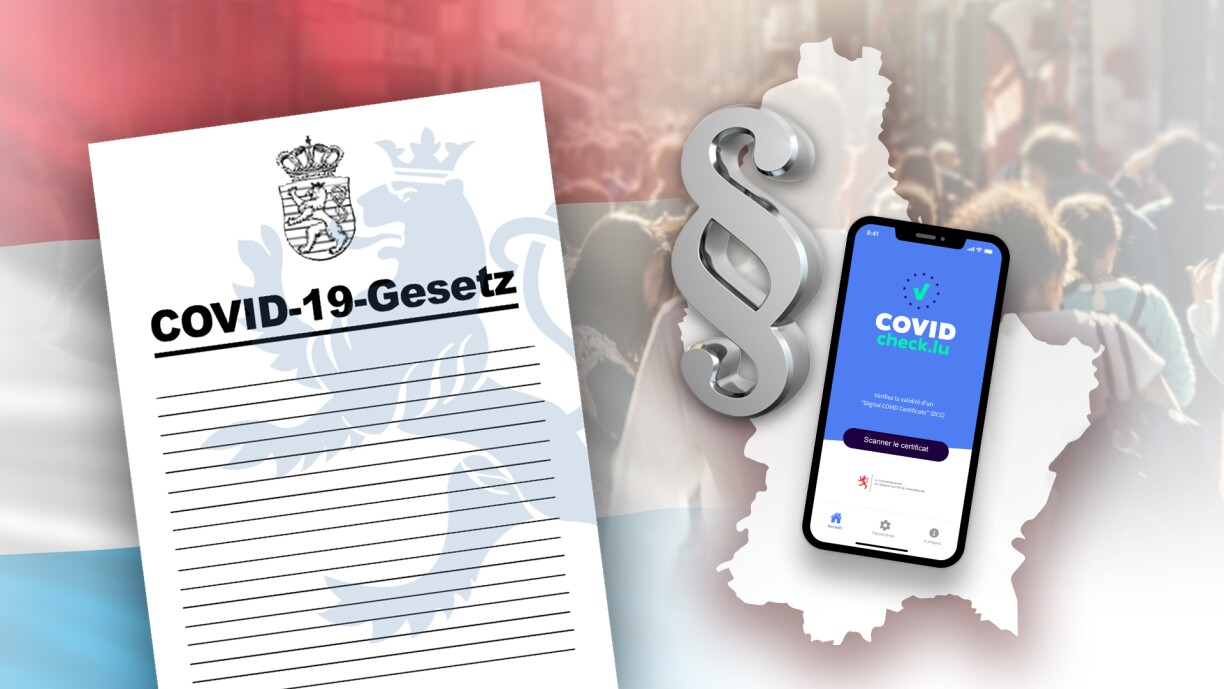
As of 25 December, cafés and restaurants must observe an 11pm curfew, while the CovidCheck system will apply so-called 2G+ rules in hospitality and leisure sectors. Gatherings exceeding 200 people will no longer be permitted, with the exception of demonstrations, outdoor markets and public transport, where passengers must wear a face covering at all times.
Horesca (restaurants, bars, etc)
2G is limited to people who are vaccinated and boosted, or people who have recovered from the virus. 2G+ conditions require people who have not yet had a booster, or people who have recovered from Covid, to do a rapid test on the spot before entering the establishment. People who have been vaccinated with 3 jabs will not have to be tested.
These measures apply to both indoor and outdoor areas.
Sport
Culture
Rapid tests are not obligatory if masks and distance rules are observed. As before, people who have received a booster will be exempt from rapid tests.
Public gatherings indoors:
Private gatherings indoors
CovidCheck at work
CovidCheck will be obligatory in the workplace from 15 January, under 3G conditions. Employees who do not wish to present a certificate will be able to take annual leave. If they do not wish to take annual leave, they will have to take unpaid leave instead.
Schools
Masks will be mandatory in schools for pupils and staff alike. Vaccinations for children aged 5-11 opened on 23 December.
CovidCheck exceptions
People who cannot be vaccinated for medical reasons are exempt from the CovidCheck restrictions; however they must be able to present negative test results if required. These include PCR tests, certified antigen tests, or rapid tests performed on site.
Children under the age of 12 years and 2 months do not need to show a CovidCheck certificate.
More information on where to get vaccinated, boosted, or tested, can be found here.
The CSV said it was not a long-term solution to bring in constant new measures every few months. President Claude Wiseler said discussions on mandatory vaccination were required straight away, not in January, and demanded that the government draw up plans for discussion as soon as possible. He added that the party wanted the public to have a choice of vaccines, including Novavax, and said the government needed to clarify exceptions to the law. Wiseler also criticised the government for reacting too slowly to the Omicron risk.
Déi Lénk MP Nathalie Oberweis said the government had not done enough to inform the public on the benefits of vaccination, and therefore had not assuaged people's fears surrounding the jab. The ADR's Fernand Kartheiser said the party would oppose mandatory vaccination, but would support an open debate on the topic.
The government has proposed a consultation in January regarding mandatory vaccinations, offering all parties the opportunity to clarify their positions on the matter. Minister of Justice Sam Tanson is in the process of formulating a text if required.





