Average speed cameras calculate the speed of motorists on a four kilometre stretch of road.
In theory, speeding motorists should no longer be able to trick the radar by slowing down as they near the speed camera, as the new system will calculate the average speed between the locations of two stationary cameras.
The average speed camera will be tested on the N11 between Waldhaff and Gonderange as part of the government's pilot project. Currently, the speed limit on the N11 is 90km/h (75 km/h for lorries). The average speed camera will be introduced in the springtime.
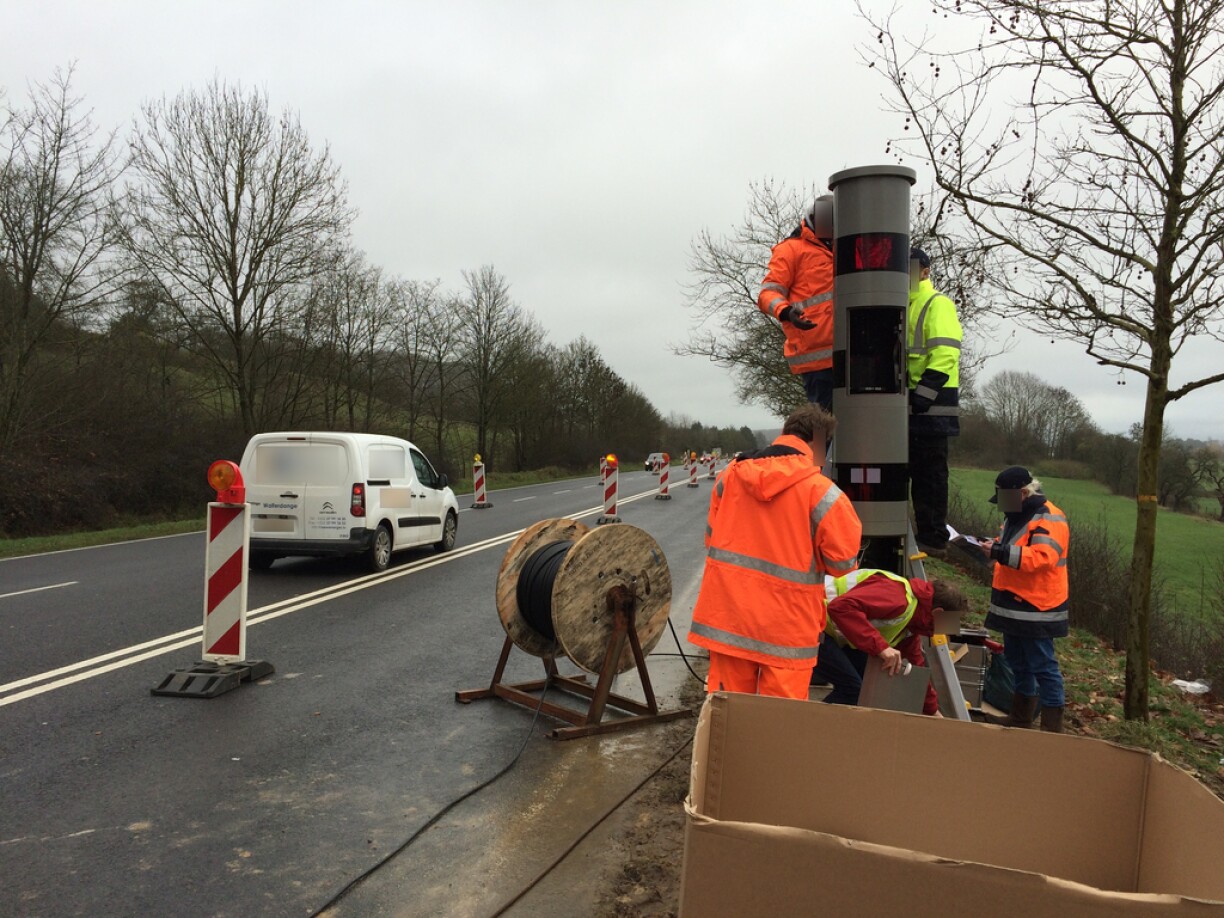
We have heard a significant amount about the speed camera's introduction, but how exactly does it work? Francois Bausch, the Minister of Mobility and Public Works responded to the question on Friday morning.
Registration plates are saved by the first speed camera and recognised by the second. The radar then calculates the average speed of vehicles passing by in terms of how fast they get from point A to point B. Thus, impossible to try and trick the speed camera by slowing down at the last minute.
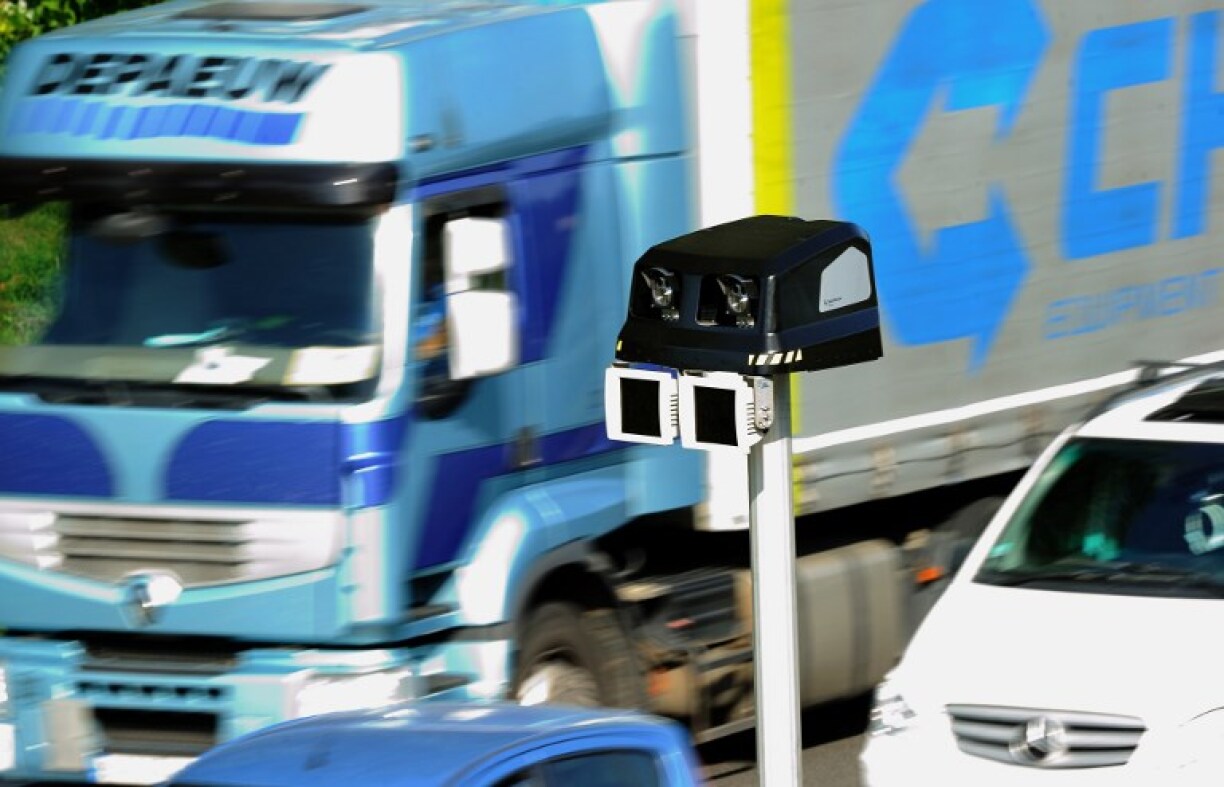
Our MPs have already queried Bausch on this issue. He explained that data saved of vehicles which did not go over the speed limit is immediately and automatically deleted. As for those who were speeding, your data will be passed on to the authorities.
In December, Bausch explained that the roads and bridges authority made the decision of which road should be subject to the pilot project.
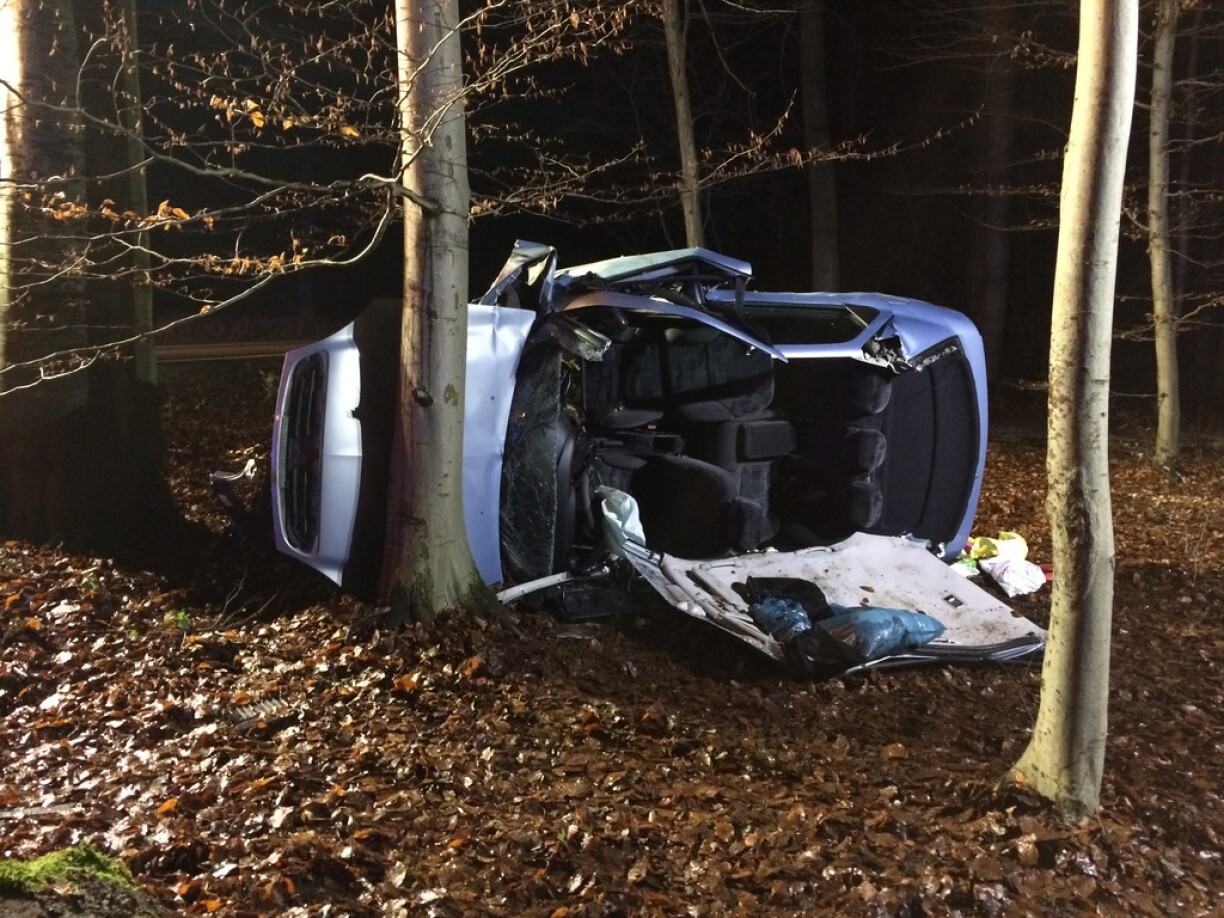
On Friday, Bausch provided further explanations, stating that despite the permanent speed camera and regular traffic checks on the N11, there is still a continuing trend of accidents on the road.
Since 2011, 19 accidents have taken place on the N11. In those crashes, three died, four were critically injured, and 33 lightly injured.
Speed cameras: First average speed cameras to be installed in 2019