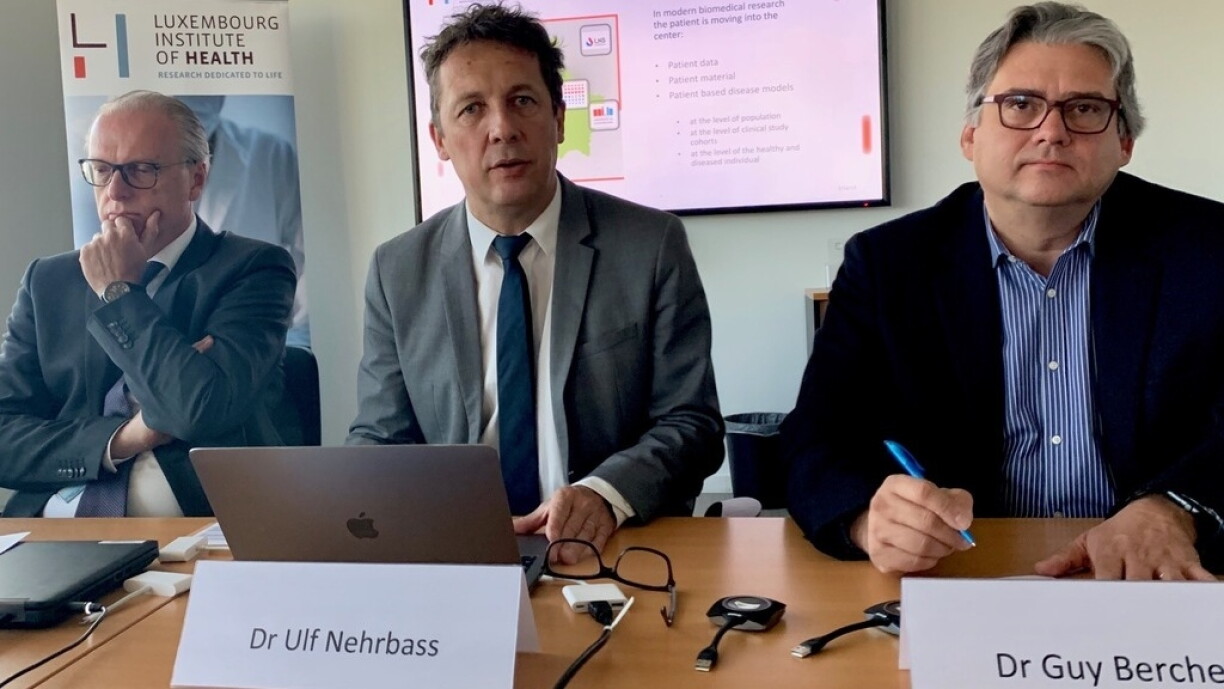
Led by the Luxembourg Institute of Health, researchers are launching a clinical study for the individual personalisation of cancer treatments in Luxembourg. Researchers hope to apply a new method to compare treatment of patient tumour profiles, in order to define how tumour cells react to different medications. The study, which will run for two years, will enable more tailored treatments for cancer patients.
The CEO of LIH, Ulf Nehrbass said that tumours can differ among patients, which explains why the study seeks to characterise each tumour through the use of precision medication.


Devices will separate the material of a tumour into tiny pieces, named cancer nanospheres. These are not individual cells, as the study requires cells to remain in their original context.
Nehrbass said that based on current information, around 5% of people can be treated with personalised treatment. To increase this percentage, researchers need to examine the functionality of tumours.
Researchers have a long way to go yet - the first step is to test standardised methods on a small number of patients in order to measure the accuracy of the methods. In the next year or so, the small study would begin with a larger number of patients, as well as a collaboration with international partners. The study is set to be handled worldwide.
The emphasis of the study lies in the glioblastoma, a specific type of brain tumour, and in stomach cancer. 20 patients are to take part in the pilot study. Dr Jean-Claude Schmit, director of health, said that nowadays doctors could no longer operate alone within their areas, and needed to stay in contact with laboratories.
The project will be supported and financed by the Ministry of Higher Education and Research, as well as clinical partners. This was conceptualised in collaboration with the CHL, Hopitaux Robert Schuman, and the national health laboratory.





