
Here are five things you should know at the end of this week:
________________________________________________
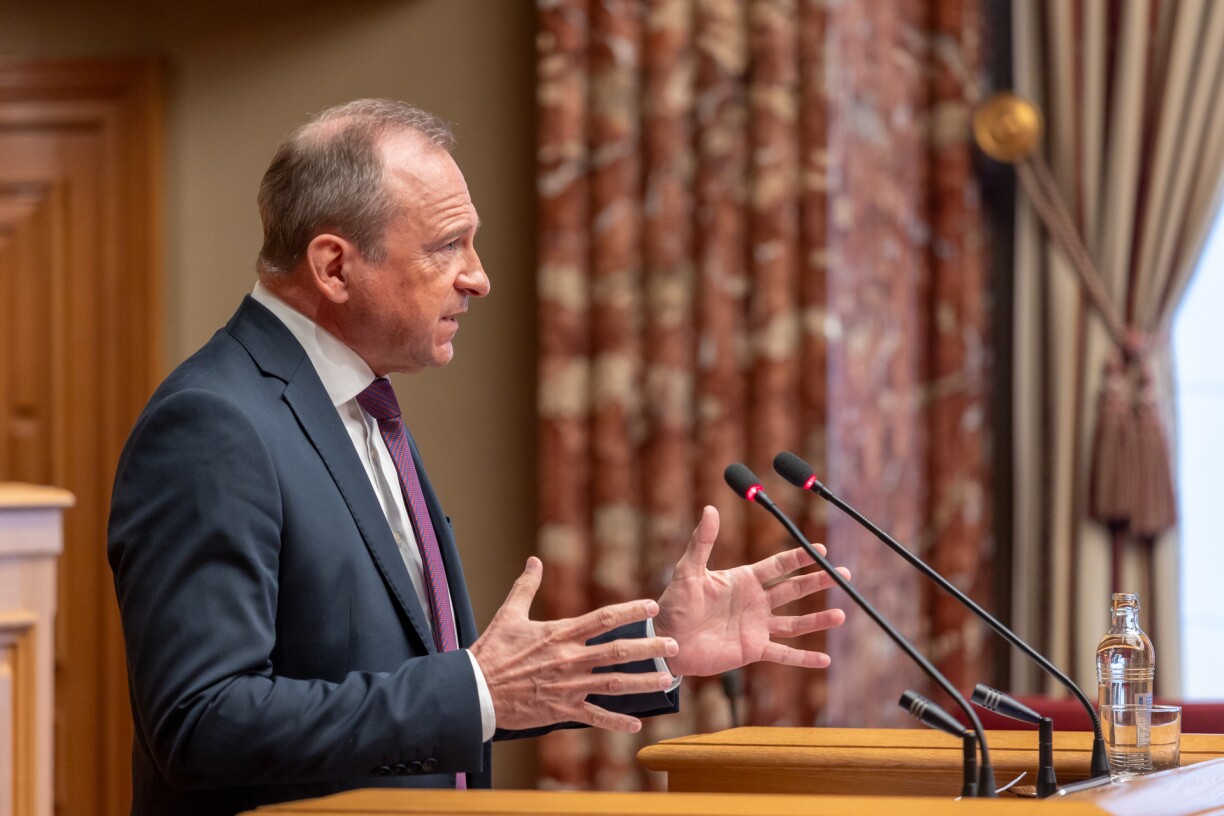
Budget 2027 – Luxembourg’s draft 2027 budget aims to support economic recovery through public investment and tax relief for households and businesses. It sets aside €4.5 billion for investment, including substantial funding for rail, roads, housing and defence, while proposing lower corporate tax rates and stronger incentives for digital and energy transition projects.
These measures come with a projected central government deficit of around €1.9 billion and public debt approaching 30% of GDP. The planned major tax reform and single tax class are scheduled for 2028 and are therefore outside the 2027 budget.
For the people – For households, the budget proposes monthly child-benefit increases of €45 for children under 12 and €60 for older children, alongside higher back-to-school allowances and an additional €580 birth-allowance instalment. The minimum-wage increase is intended to reach €200 a month by July, while inflation adjustments will be incorporated directly into income-tax brackets.
A new consolidated cost-of-living allowance would simplify assistance for low-income households, with further support covering home purchases, heat pumps, energy renovations and access to electric cars.
For upswing? – The government presents the budget as a proactive response to economic uncertainty, arguing that investment and targeted relief will strengthen purchasing power, attract and retain international talent, and prepare Luxembourg for future growth. Opposition parties question whether higher spending and tax cuts provide a coherent strategy, raising concerns about debt, persistent deficits, and insufficient action on housing speculation and climate change.
Some also challenge specific priorities, including defence spending, childcare subsidies, and the taxation of capital gains on shares.
________________________________________________
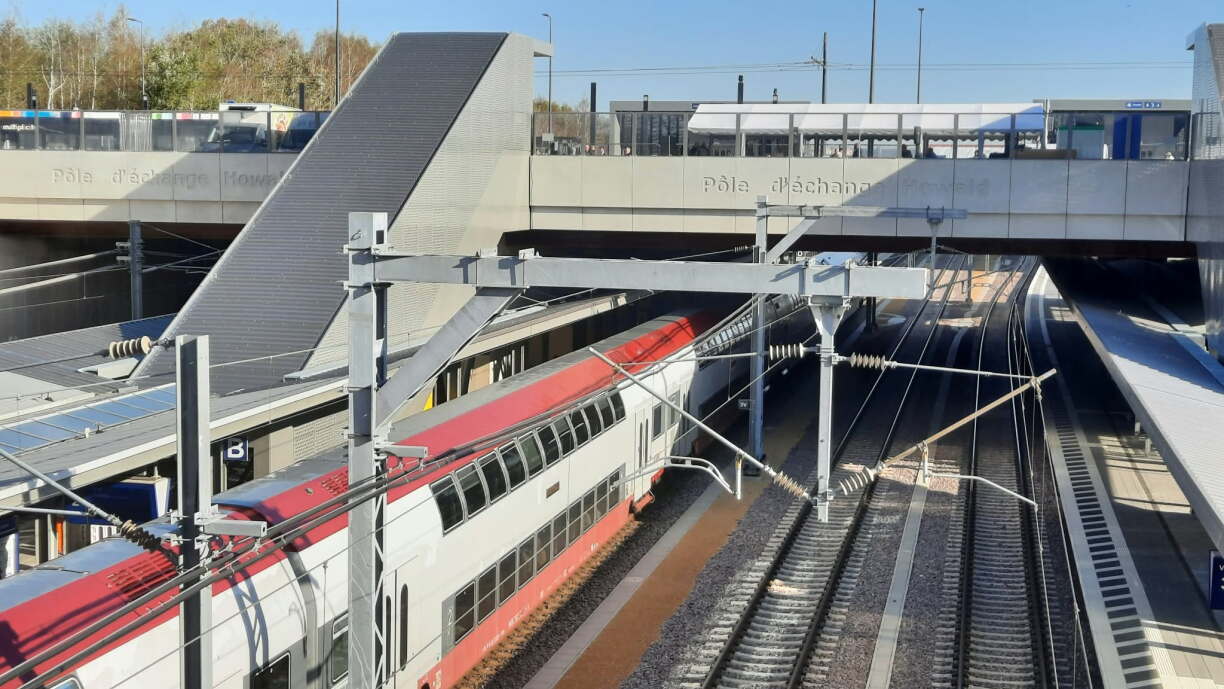
'Future of mobility' – The new Howald multimodal hub, inaugurated on 7 October 2026, brings trains, trams, buses, cycling routes, pedestrian access and a nearby Park & Ride together in one location. Passengers can switch between transport modes by walking just a few dozen metres, making journeys easier for residents of Howald, Ban de Gasperich and Cloche d’Or, as well as cross-border commuters.
The railway station currently serves nearly 3,000 passengers daily, while its two platforms and four tracks are designed to accommodate up to 10,000.
Comfort first – The hub offers canopies, heated shelters, lifts and escalators to make public transport more comfortable and accessible. Its longer platforms can accommodate larger trains carrying nearly 1,000 passengers. Beyond these improvements, the new Luxembourg–Bettembourg railway line, scheduled to open in September 2027, is expected to double capacity and separate services arriving from Esch-sur-Alzette from those coming from Metz and Thionville.
Reducing disruptions – Howald forms part of CFL’s wider effort to develop transport hubs around Luxembourg City and separate the operations of the six main railway lines converging on the capital. Following Pfaffenthal-Kirchberg and Howald, the next planned hub is Hollerich, which will also connect trains, trams, buses and bicycles.
Construction is expected to begin in 2027, although completion could take until 2032 or later, according to CFL CEO Marc Wengler.
________________________________________________
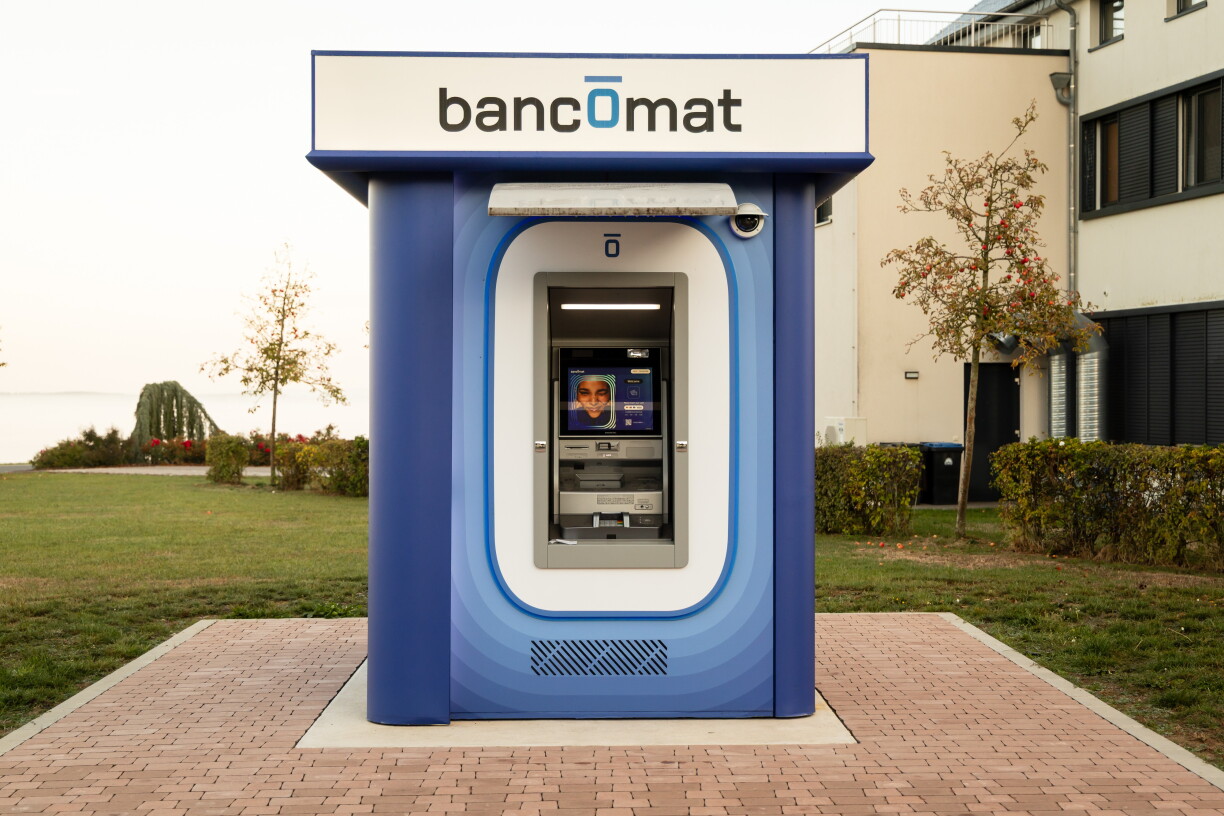
No extra charge – Spuerkeess, BGL BNP Paribas, BIL, POST and Raiffeisen have launched a shared ATM network through LuxConstellation’s “Bancomat” project. Seven of the new blue, bank-neutral machines are already operating, with 237 expected to be in service by 2027 as existing ATMs are gradually replaced.
Customers of the five banks can use their cards at no extra charge and access their own bank’s interface and full range of ATM services.
Improving access – Although the planned network is smaller than the roughly 400 machines operating in 2023, its locations are intended to improve geographic coverage by removing unnecessary overlap. The project aims to reach around 94% coverage within a 5km journey by road in 2027, compared with 91.68% in 2023.
The machines support contactless cards and smartphones and include gas detection and ink systems that make banknotes unusable during attempted thefts.
Saving costs – The banks are pooling resources to share the substantial costs of replacing, maintaining and securing their ATM networks. A single ATM costs around €25,000, with its surrounding installation costing roughly another €25,000, and total investment exceeds €70 million over seven years.
Each bank assessed the project’s financial value before joining, but none has disclosed how much it expects to save.
________________________________________________
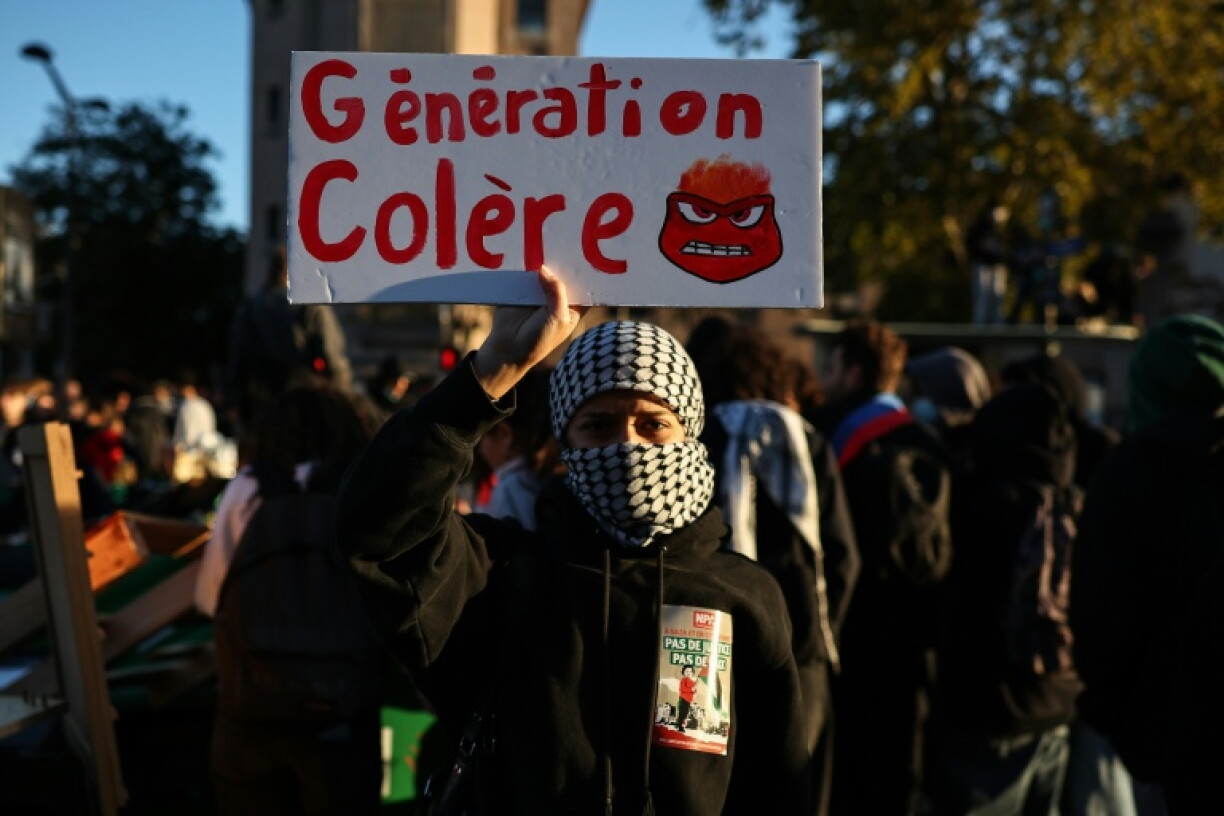
Sweeping protests – France’s education minister promised to deploy 3,000 substitute teachers within days to the 114 high schools most affected by staff absences. The announcement followed nationwide protests involving tens of thousands of students, who complained about missed lessons, overloaded timetables, deteriorating classrooms and buildings poorly equipped for rising temperatures.
Their demands also reflect concerns about unequal conditions across the public education system.
Police brutality – Anger over school conditions has been compounded by accusations of excessive police force during the protests. Police have used tear gas, batons and blast balls, while some demonstrators have started fires and damaged public infrastructure.
A 15-year-old lost a hand after police fired a stun grenade, prompting the government to suspend that weapon’s use; the article reports hundreds of injuries, thousands of arrests and 18 internal investigations into alleged police misconduct.
Elections in sight – Many students remain sceptical of the government’s response and want visible improvements rather than further promises. Prime Minister Sébastien Lecornu pledged a crisis response plan by the end of October, while officials said additional school resources could be considered within the constrained 2027 budget.
The unrest comes amid concerns about educational performance and just months before the presidential election to choose Emmanuel Macron’s successor.
________________________________________________
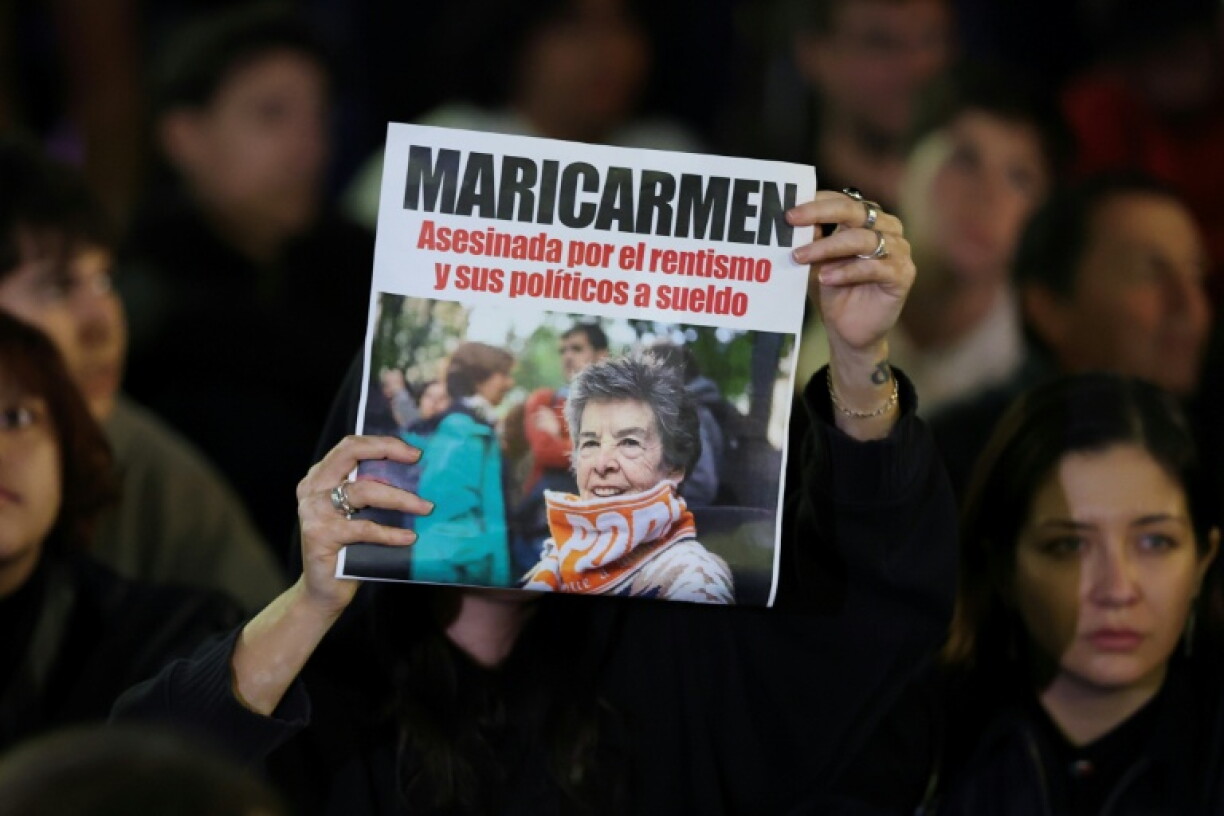
Spain in mourning – Maricarmen Abascal’s eviction and death brought mourners to Madrid’s Puerta del Sol, where housing protesters had established a camp. People left candles, flowers and messages honouring her as “the grandmother of an entire country,” while hundreds marched towards parliament after hearing of her death. Tenants’ unions also called for a nationwide minute’s silence.
Evicted at 87 – Abascal, who used a wheelchair, was removed on a stretcher from the apartment where she had lived for 70 years after the company owning it sharply increased her rent. Her case became a rallying point for people angry about unaffordable housing and the treatment of vulnerable tenants.
Although an agreement eventually allowed her to return at a lower rent, she remained in hospital and died there two weeks after the eviction.
Snap elections triggered – The protests pushed the government to propose stronger protections against eviction for vulnerable tenants and automatic renewal of rental contracts. When the minority coalition failed to secure parliamentary approval for these measures, Prime Minister Pedro Sanchez called an early general election for November 29.
Housing consequently became a central election issue, while some mourners criticised politicians across the political spectrum for their handling of the crisis.
________________________________________________
Your Weekly Recap is published every Friday at noon.
Read earlier versions here.





