Samsung Electronics forecast Thursday a more than 780 percent leap in third-quarter operating profit from a year earlier, buoyed by high memory chip prices as AI fuels a global supply shortage.
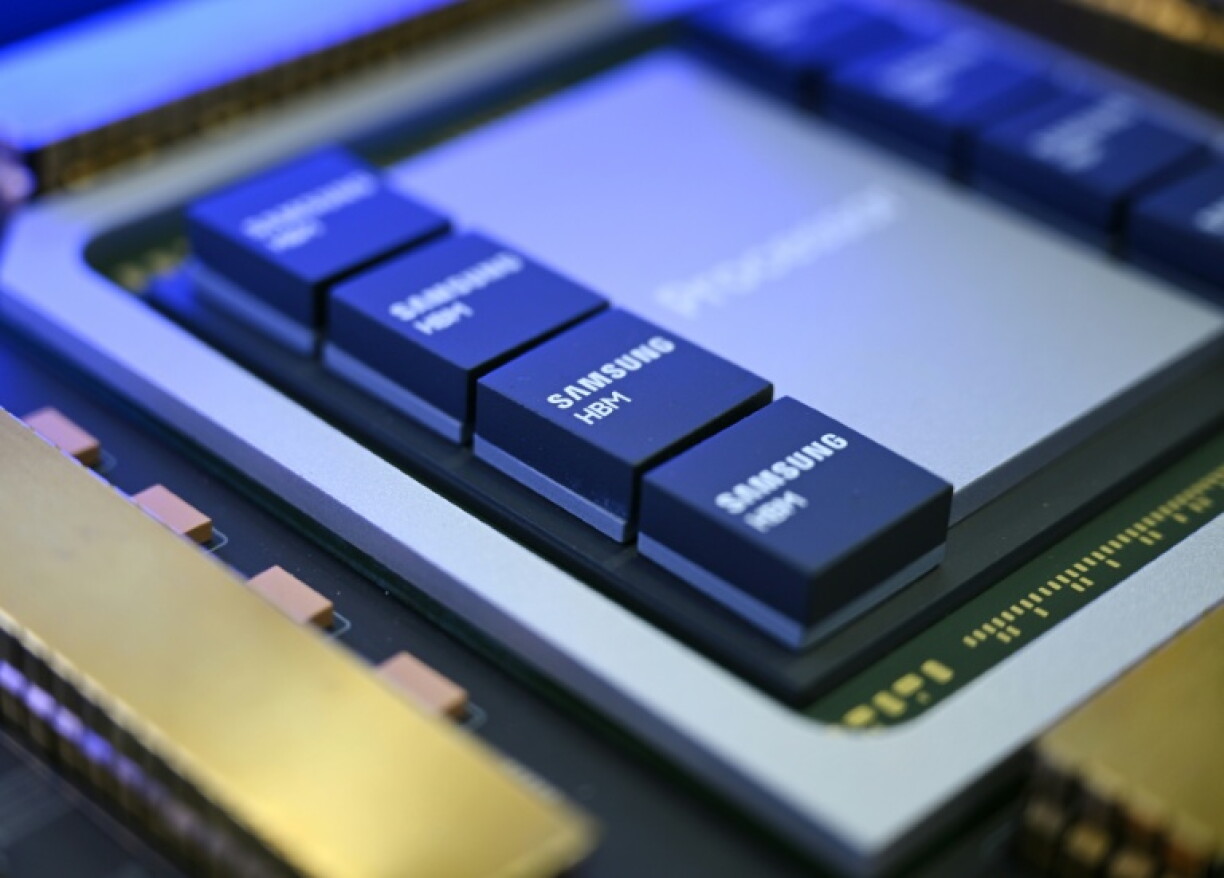
The South Korean giant is the world's largest maker of memory chips -- components now in huge demand as advanced types are snapped up for use in data centres powering artificial intelligence.
It estimated July-September operating profit at 107.4 trillion won ($80.1 billion), up 782.5 percent on-year, according to a company statement.
That would mark the first time a South Korean company has surpassed 100 trillion won in quarterly operating profit.
Revenue likely rose 127 percent to 195 trillion won, Samsung said.
With both numbers hitting all-time highs, the company will have broken its own records for both sales and operating profit for four consecutive quarters.
Samsung is expected to release its final quarterly earnings report at the end of October.
The AI boom has already helped Samsung and other semiconductor giants around the world post record profits this year.
Analysts at South Korean brokerage Shinhan Securities have struck a bullish stance on Samsung's trajectory, writing in a note last week that they expected to see "even stronger earnings" from the company next year.
"Samsung Electronics now appears all set for a rapid increase in market share," they said, as the company ramps up production of a new generation of high-bandwidth memory (HBM) chips, called HBM4.
Samsung, its South Korean rival SK hynix and US giant Micron dominate the global market for HBM -- advanced chips used in AI data centres alongside other powerful data-crunching semiconductors.
"The transition to next-generation HBM will open up the opportunity to renegotiate prices" for Samsung, "helping to guarantee solid margins," the Shinhan Securities note said.
While Samsung's earnings have surged on strong demand for the memory chips it produces, the boom has also pushed up prices for DRAM and NAND flash used in smartphones -- forcing the company's mobile division to pay more for the same chips.
Analysts say rising production costs have become increasingly difficult to absorb as Samsung seeks to limit price increases to maintain shipment volumes and market share.
In August, Samsung announced a buyback of up to $80 billion of its own stock to boost shareholder returns.
It said the shareholder return plan was designed to ensure that the "fruits of the company's growth translate into tangible benefits" for shareholders.
As earnings skyrocket for chipmakers including Samsung, many workers are demanding a bigger cut of the profits.
Samsung averted a strike in South Korea earlier this year by agreeing to a deal to distribute bonuses equivalent to 10.5 percent of operating profit to its semiconductor employees.
The agreement means around 78,000 employees from Samsung's 125,000-strong domestic workforce are eligible to receive a bonus of roughly $370,000 this year, based on a market estimate of profits.
But in Taiwan on Wednesday, union representatives said hundreds of workers at a Micron plant had voted in favour of a strike, after talks with the US company over bonus reforms collapsed.
hs/cwl/kaf





