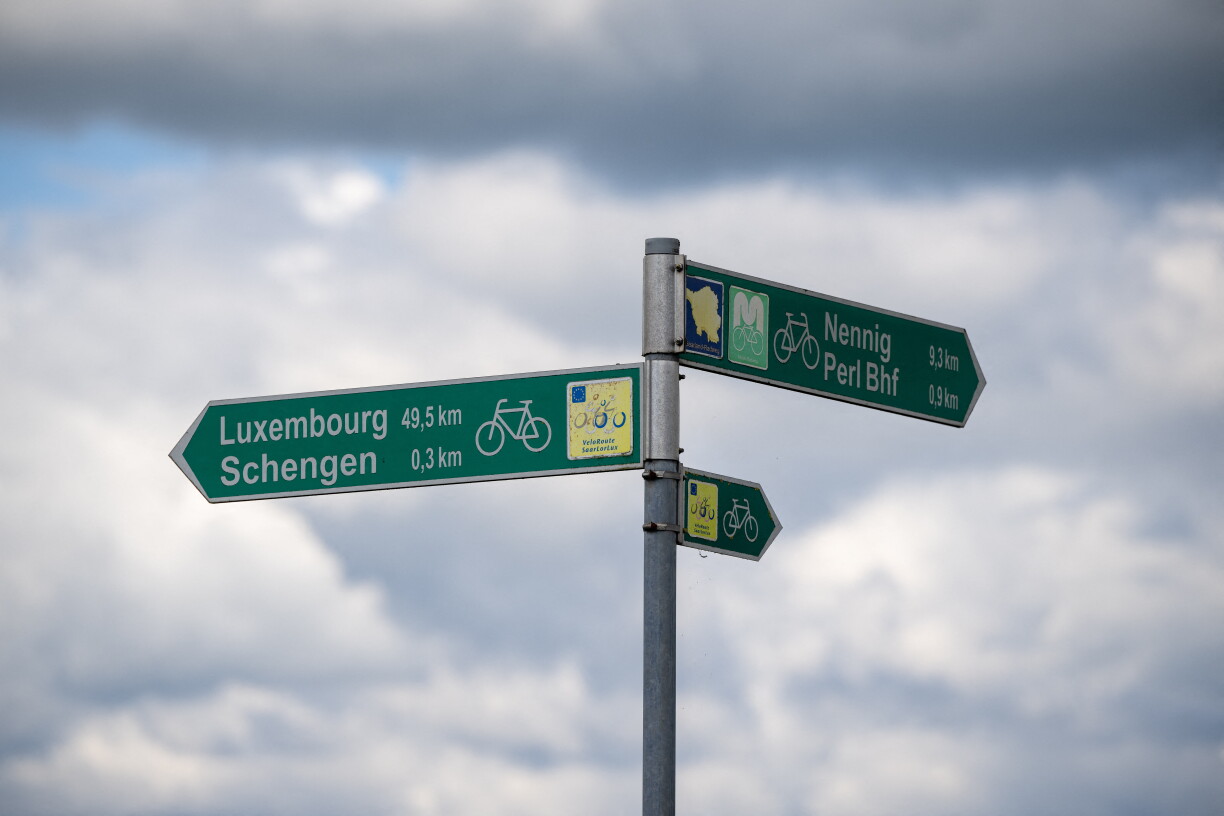
With soaring land prices and limited availability of building plots in Luxembourg, the Saarland region across the German border is proving an increasingly attractive alternative – offering larger plots and, in many cases, significantly lower overall costs.
For young families in particular, the prospect of building a new home within a short commute of Luxembourg has made Germany an appealing option to consider.
According to one Saarland building company, around a third of its clients now come from the Grand Duchy, with popular locations such as Perl, Mettlach, and Orscholz offering a combination of proximity, space, and affordability.
"Roughly one in three of our clients comes from Luxembourg", Marc Eisenhut of MT Massive Traumhäuser, a regional homebuilding company based in Saarland, told RTL Today. "We also have a number of German clients who work in Luxembourg and therefore want to build close to the border."
But buying or building a home across the border also comes with practical considerations, from commuting and schools to taxes, childcare, and healthcare.
The biggest differentiator is often the cost of the land, according to Eisenhut:
Depending on the location, a building plot in Germany typically costs around €80 to €250 per square metre, whereas in Luxembourg prices can easily reach €800 to €1,200 per square metre. Construction and labour costs are also considerably lower in Germany. Depending on the property, the total difference can amount to several hundred thousand euros. This substantial price gap is one of the main reasons why the Saarland region has become so attractive to buyers from Luxembourg.
The average overall cost of building a home in Germany is approximately €500,000 to €600,000, Eisenhut estimates.
At the end of the day, it is all about location, he added:
Of course, this varies significantly depending on the location, type of house, and level of specification. Areas directly on the Luxembourg border, such as Perl, are particularly sought after and are therefore more expensive. However, there are also more affordable locations close to the border, such as Orscholz or Bethingen. In other parts of the region, it is possible to realise the dream of owning a newly built home with a construction budget of around €300,000 to €400,000, excluding the cost of the land.
In other words, opting for Germany might give people a shot at owning bigger properties at lower costs:
While building plots in Luxembourg are very limited, buyers in Germany can generally expect considerably more space for their money. Plots of between 500 and 1,000 square metres are not unusual. We normally recommend a plot of at least 500 square metres to our clients, while the average plot size in Saarland is around 600 square metres.
Young families are by far the main category relocating from Luxembourg, he points out:
Typically, they are in their early thirties and have one or two young children. Thanks to the comparatively high salaries in Luxembourg, home ownership in Germany is financially achievable for many young families. They do not necessarily have to be top earners. In many cases, an average Luxembourg salary is sufficient to finance a family home in Germany.
Eisenhut cautions that there are several practical and administrative issues that cross-border buyers need to consider carefully.
In general, people who live in Germany but work in Luxembourg continue to pay income tax in Luxembourg. However, special rules apply when working from home or carrying out work outside Luxembourg, and buyers should check their individual tax situation carefully.
Eisenhut explains that childcare can also require some additional planning:
Families living in Germany are generally entitled to childcare there. If they want their child to attend childcare in Luxembourg instead, they need to check whether their cross-border worker status meets the relevant requirements, as this can be subject to specific conditions and additional administrative procedures. Children living in Germany are generally subject to German compulsory schooling rules.
Healthcare is another important consideration:
Cross-border workers may remain insured through the Luxembourg system while also needing to register appropriately in Germany. Since individual circumstances can vary, we always recommend that clients obtain up-to-date advice from the relevant authorities before moving.
This trend is set to continue, according to Eisenhut, because Luxembourg's fundamental problem is the very limited supply of housing, and that is unlikely to change quickly.
"Housing and construction prices are beginning to stabilise somewhat, but we do not expect the overall situation to change significantly over the next few years. Germany, and Saarland in particular, is therefore likely to remain an attractive alternative for Luxembourg residents who want to build their own home", Eisenhut argues.
For one Luxembourg couple in their 40s, affordability ultimately drove their decision to build across the border.
The couple, who both work in the public sector, found that renovating their previous home in Luxembourg would be too costly, while building a new one was beyond their budget. They moved out of Luxembourg last year and are now building their new home in Germany.
The woman, who asked not to be named, said the cost of renovating their property was simply too high:
We used to own an old house in Luxembourg, but fixing it up was just too expensive. Even with two good salaries, building a new house in Luxembourg was impossible for us. Building in Germany gave us a much better option for our budget.
She said the building process had been relatively straightforward so far, with only a few minor problems along the way.
The couple chose their new location carefully, looking for somewhere that offered both a good quality of life and convenient access to Luxembourg.
"We chose this location because it has everything we need nearby, like local shops, and it is right next to the forest", she said. "It is also close enough to Luxembourg for our daily drive to work."
The couple say there are clear advantages to living in Germany, particularly when it comes to the cost of land, housing, and everyday essentials such as groceries. However, they acknowledge that there are also some downsides, including higher taxes and certain living costs.
For anyone considering a similar move, the Luxembourger advises doing plenty of research before making the decision.
"You need to know both the good points and the risks, especially when it comes to taxes and paperwork", she said.
Ultimately, however, the move is about more than simply getting more house for their money.
The couple hope their new home will give them the quieter lifestyle they had been looking for. "Building this house gives us the peace and quiet we always wanted. We are looking forward to a relaxed life in a nice environment for our family."