Here are five things you should know at the end of this week:
Financial crimes – Authorities have launched a sweeping investigation into Kindy Fritsch, grandson of the Cactus supermarket founder, along with several associates and 27 companies. The probe centres on suspected financial crimes including money laundering, fraud, embezzlement, and forgery, with estimated damages exceeding €200 million. Large-scale searches were conducted at multiple locations in Luxembourg and abroad, and investigators seized various assets during the operation.
Greenfinch Capital in focus – The investigation is closely linked to Greenfinch Capital Management, which is managed by Fritsch and declared bankruptcy two years ago. Authorities are examining the structures connected to Greenfinch, as well as other companies now in bankruptcy or restructuring. These entities reportedly owe millions to other firms, compounding the scale of outstanding debts and raising concerns across the business community.
Accusations denied – Kindy Fritsch, through his lawyer, has rejected all allegations, describing the searches and asset seizures as disproportionate and damaging. He claims the case is based on unfounded accusations from a minority investor and disputes the reported damages figure. Fritsch’s legal team argues that the authorities’ actions have paralysed his companies and left him without banking facilities. The case remains ongoing, with the presumption of innocence applying.
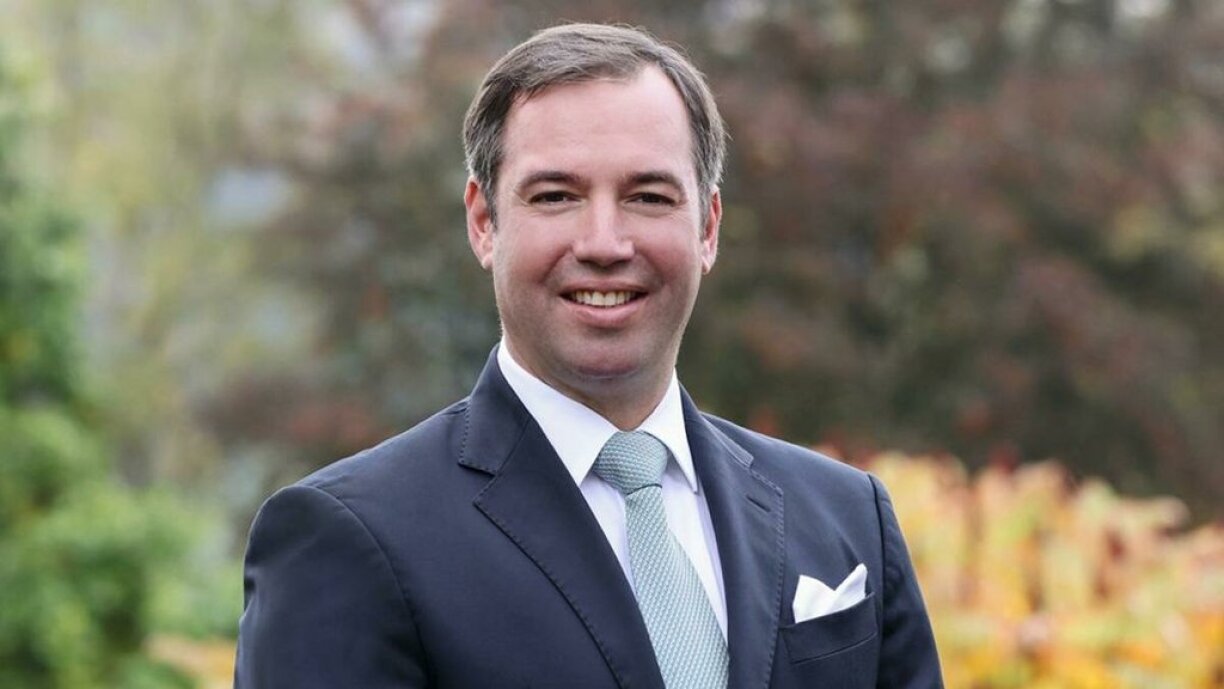
Royal letter – In a letter addressed to Environment Minister Serge Wilmes, the Administration of the Estate of H.R.H. the Grand Duke of Luxembourg proposed a meeting to discuss the early termination of an agreement on the Grünewald forest's management, concluded with the state in 2009. In addition, he would like future income from forest management to be directed to the Foundation of Grand Duke Guillaume and Grand Duchess Stéphanie.
Request rejected – The Environment Ministry confirmed that the request had been made, but that the government does not currently intend to end the agreement ahead of schedule. The Grand Duke reportedly wished to invest in the forest, with a particular focus on leisure and sports programmes, in response to an increasing number of requests, particularly from individuals who do not have access to traditional social assistance.
State management – Since early 2009, the Luxembourg state has been managing the 850 hectares of forest belonging to the grand-ducal family, who remain the owners of the plots located in the Grünewald. The original agreement stipulates that the "surface right" applies for a period of 25 years, running until 1 February 2034. The agreement authroises the state to exploit the forest, but must ensure its management according to sustainability criteria.

22 June – Luxembourg's most exciting night of the year is at our doorsteps and Luxembourg City will mark National Day with a packed schedule. The festivities will kick off a day before on Monday, 22 June, with the changing of the guard in front of the Grand Ducal Palace at 4pm. At 9.30pm, the traditional torchlight procession setting off from Place du Théâtre, followed by fireworks at 11pm. At the Glacis, the main City Sounds stage will host six artists consecutively from 8.30pm, including legendary Swedish DJ Alesso, Dutch household name Nicky Romero and Nora En Pure.
23 June – On National Day itself, the official programme begins at 10am with a ceremony at the Philharmonie. A 21-gun salute in honour of the Grand Duke will follow at the Fetschenhof at 11am, with the traditional military parade on Avenue de la Liberté starting at 12pm. Games and workshops for children, as part of the traditional Spillfest will take place from 10am to 6pm on the Kinnekswiss. City Sounds at Glacis will resume from 5.30pm with several free concerts including Oké, Luxembourg's Eurovision 2024 representative Tali, and the one and only OneRepublic set for 9pm.
Additionally, this year's National Day will be Grand Duke Guillaume and Grand Duchess Stéphanie's first time at the centre of the traditional celebrations, as well as the ceremony at the Philharmonie on 23 June, which the general public is invited to.
Public transport – As is always the case, those wanting to attend the celebrations should be aware of any route and timetable changes during the National Day celebrations on 22 and 23 June. There will be supplementary services on some routes, as well as late-night services on buses and trains to help people get home after the evening celebrations on 22 June.

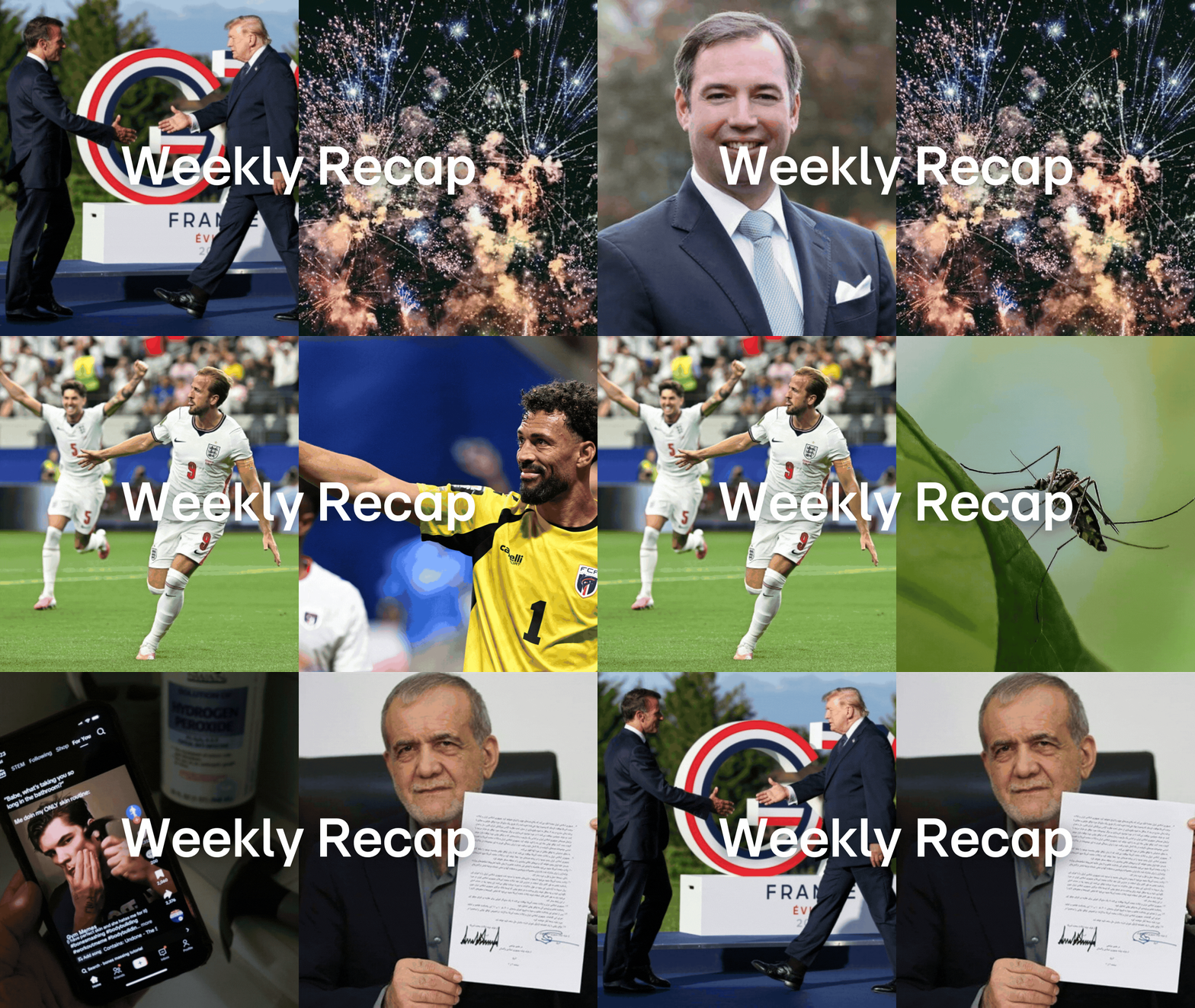
Trump in focus – The G7 summit in Evian was dominated by US President Donald Trump’s diplomacy, as leaders celebrated a memorandum of understanding with Iran aimed at preventing nuclear proliferation and addressing regional threats. On Ukraine, the leaders agreed to increase air defence supplies and "increase the pressure on the Russian war economy" by strengthening sanctions, including on Moscow's fossil fuel revenues. G7 leaders also agreed to grant licences for Ukraine-based companies to produce long-range missiles and air defence systems.
Risky AI – In a peculiar move, Sam Altman, head of artificial intelligence giant OpenAI, Anthropic chief Dario Amodei, the founder of Google's AI lab DeepMind, Demis Hassabis, and Arthur Mensch of their European rival Mistral AI all joined the G7 leaders on the final day of the summit. The leaders used the final day to focus on the risks posed by artificial intelligence and social media, especially on young people, and particularly following the UK government's announcement of a social media ban for under-16s.
Golden dinner – For President Trump, the meeting ends with a one-on-one dinner with President Macron at Versailles. The French President had invited Trump earlier in the week, in the hopes of avoiding a repeat of the last G7 summit in Canada, when Trump cut his visit short. Happy to delay his journey back to the US, President Trump gushed about dining in Versailles' gilded halls, while Macron has earned the ire of critics at home, with some French politicians accusing him of rolling out the red carpet for a "supremacist."

Deal signed – US President Donald Trump and Iranian President Masoud Pezeshkian signed an agreement on Wednesday to end months of conflict in the Middle East, with Tehran agreeing to dilute its enriched uranium stockpile and the US agreeing to lift its naval blockade of Iran's ports, as well as sanctions waivers allowing Tehran to export oil. Under the terms of the deal released by US officials, Iran will dilute its enriched uranium stocks, possibly by "down-blending on site under the supervision of the IAEA", according to the UN's nuclear watchdog.
The signing of the accord also intends to reopen the Strait of Hormuz and begin a 60-day period for talks on wider issues, including Tehran's nuclear programme. However, in terms of negotiating a new Iran nuclear deal, experts warn that the US stands in a tougher position than it was in during the Obama administration as Tehran now holds a stronger hand after weathering months of war.
"Foreign policy blunder" – While the G7 praised the deal as "historic" and a "game-changer", the deal has also received stark criticism. Trump had said that in launching the war with Israel on February 28 that it would pave the way for Iranians to rise up. However, the Islamic republic exits the war intact and dissidents in Iran facing a new wave of repression. The agreement also provides for the establishment of a $300 billion reconstruction fund for Iran. US Senator Bill Cassidy from Trump's Republican Party described the deal as the "worst foreign policy blunder in decades."
Notable tensions have been brewing between the US and Israel, with US Vice President JD Vance on Thursday issuing an extraordinary rebuke to Israeli critics of the Iran deal, warning them not to alienate their "only powerful ally" left in the world. Trump himself has been increasingly critical of the high death toll from Israeli attacks, particularly on the Hezbollah militia in Lebanon, calling for a full ceasefire "on all fronts, including Lebanon, Hezbollah, and Israel" on his Truth Social network.
"No it's not final" – Trump emphasised though that the Iran agreement was only a memorandum of understanding and said he was ready to resume military action if Tehran did not abide by its obligations. Large uncertainties remain over the critical two-month negotiation period that was set to begin on Friday. However, Switzerland announced on Friday that planned talks following up on the deal had been postponed. As the deal was also meant to halt fighting in Lebanon, Israel's military announcing new strikes against Hezbollah targets in the country's south on Friday adds additional uncertainty on what will come next.
Your Weekly Recap is published every Friday at noon.
Read earlier versions here.





