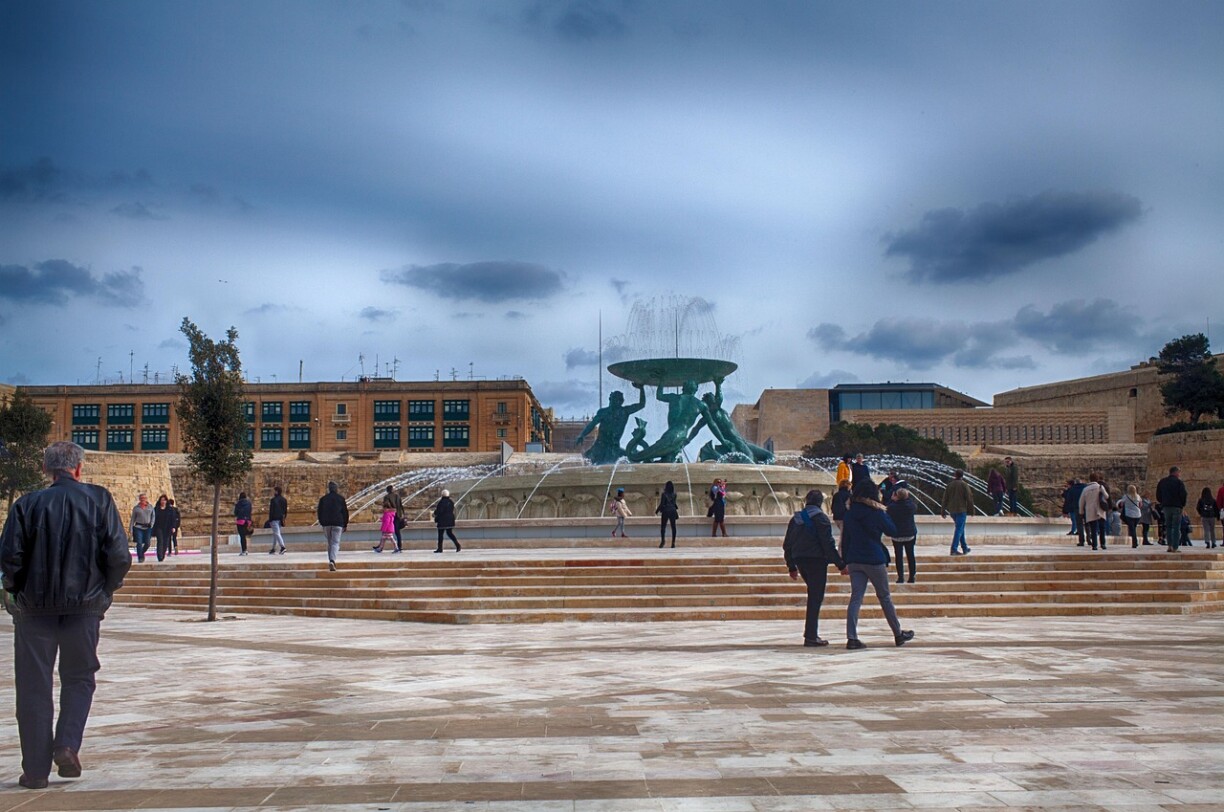
Malta, a Mediterranean island state of around 520,000 people, is comparable to Luxembourg in population but far smaller in size, with its capital Valletta at the heart of the country's cultural life.
The capital Valletta is the smallest in Europe, but culturally one of the most exciting. With its narrow streets, yellow sandstone houses and colourful balconies, baroque churches and palaces, the entire city is listed as a UNESCO World Heritage site.
British influence and Italian flair blend together here in one place. And when you sit in a café in the morning and the city awakens, you immediately understand the charm of this place.


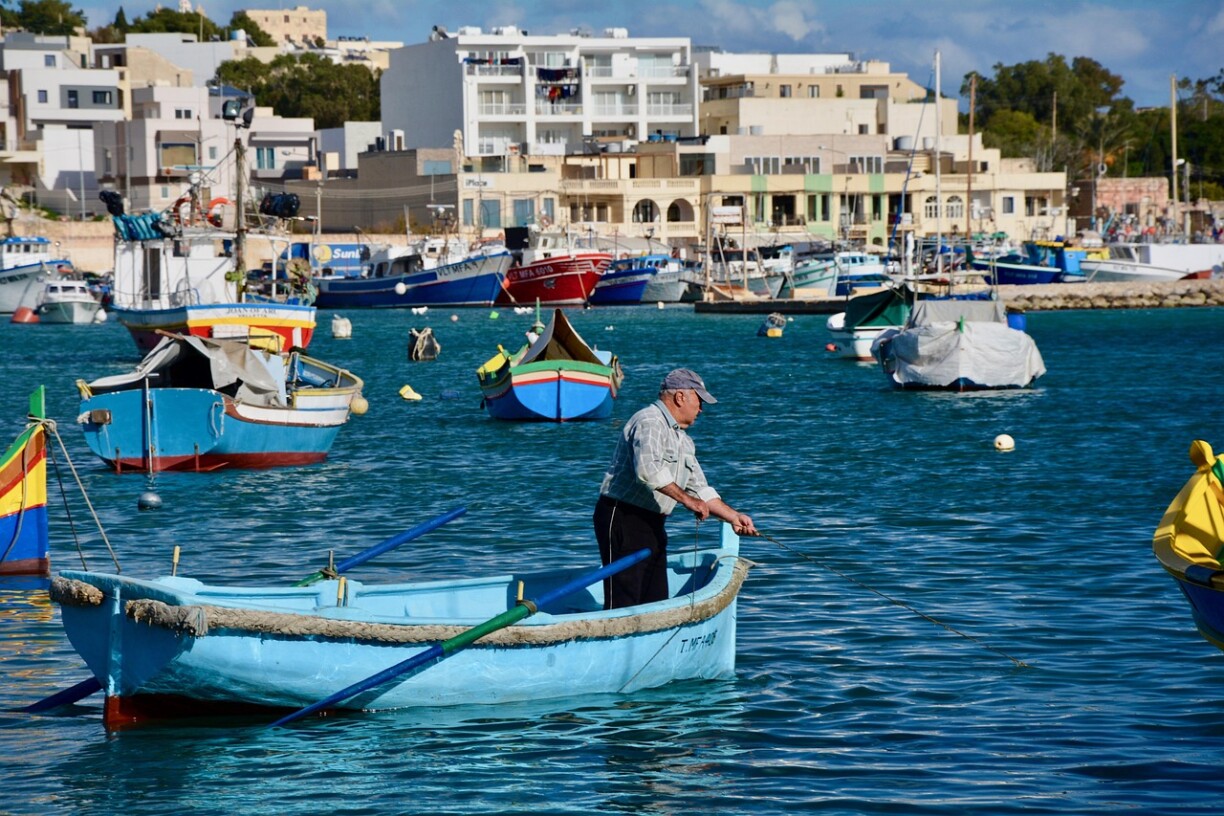
Besides Valletta, Malta also offers other beautiful locations to visit: the fishing harbour of Marsaxlokk with its colourful boats, the old town of Mdina, also called the Silent City, or the Blue Grotto, a natural cave with turquoise water best discovered by boat.
A day trip to the island of Gozo is a must: life there is quieter and slower. In Xwejni you can still see how salt is harvested in the traditional way, with hand and bucket, as it was done generations ago.


Those who want to experience the island's greenery should travel there in February or March. During these months, the fields and many plants bloom, a very different view from summer, when the landscape becomes quite dry due to the heat.
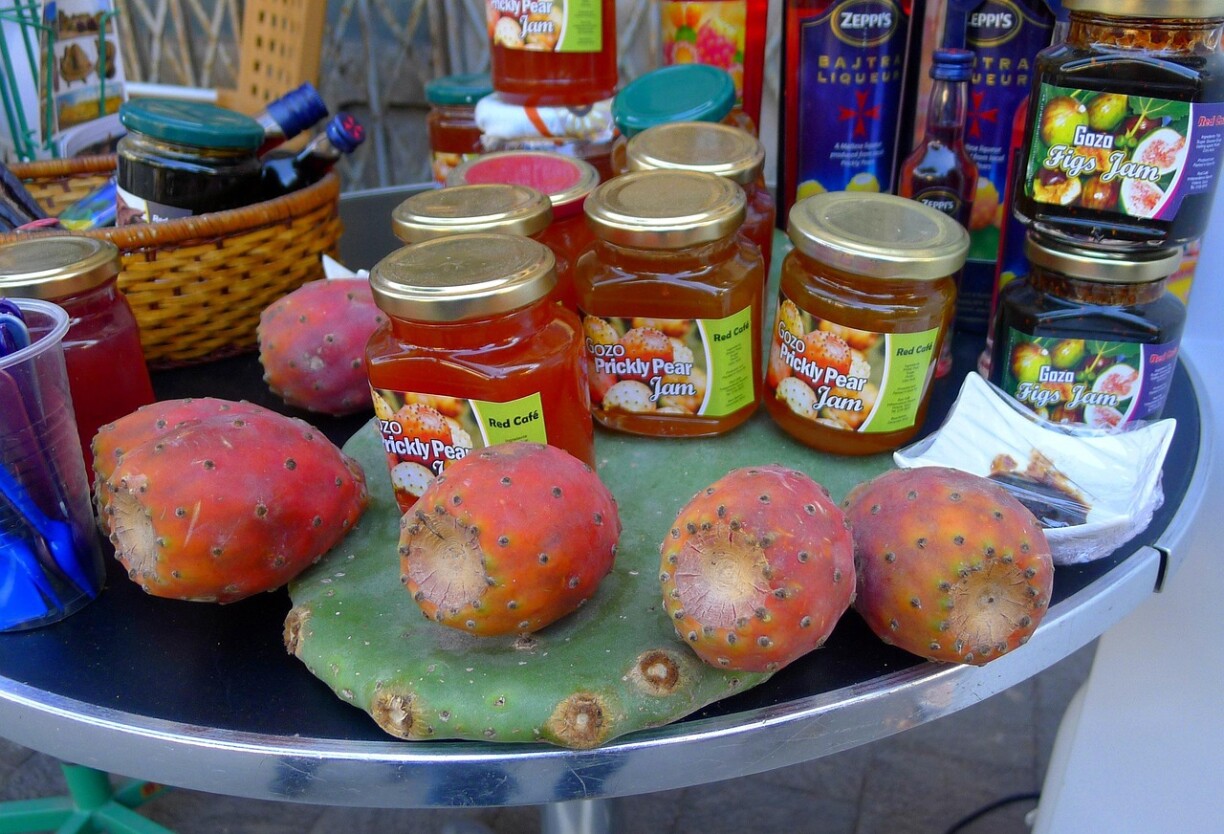
Cacti are essentially the only plants that remain green in summer. The cactus fruit, as normal for the Maltese as apples and pears are for us, is eaten as a refreshing summer snack or processed into jam and liqueur.
In Malta, influences from Italy, North Africa, and England come together. The most famous speciality is Pastizzi, puff pastry filled with ricotta or peas. Not expensive, but extremely tasty. Rabbit Stew, rabbit meat in the form of goulash, is also a classic.
In addition, wine is produced in Malta and the local beer Cisk is ubiquitous on warm summer evenings.
Malta is known for its diving spots. With its clear seawater, caves and wrecks, the island is an Eldorado for divers. Everywhere there are schools and guides who accompany both beginners and the more experienced. Particularly popular are the wreck of the HMS Maori near Valletta and the Blue Hole on Gozo, a spectacular natural opening in the rock with thousands of species of fish.
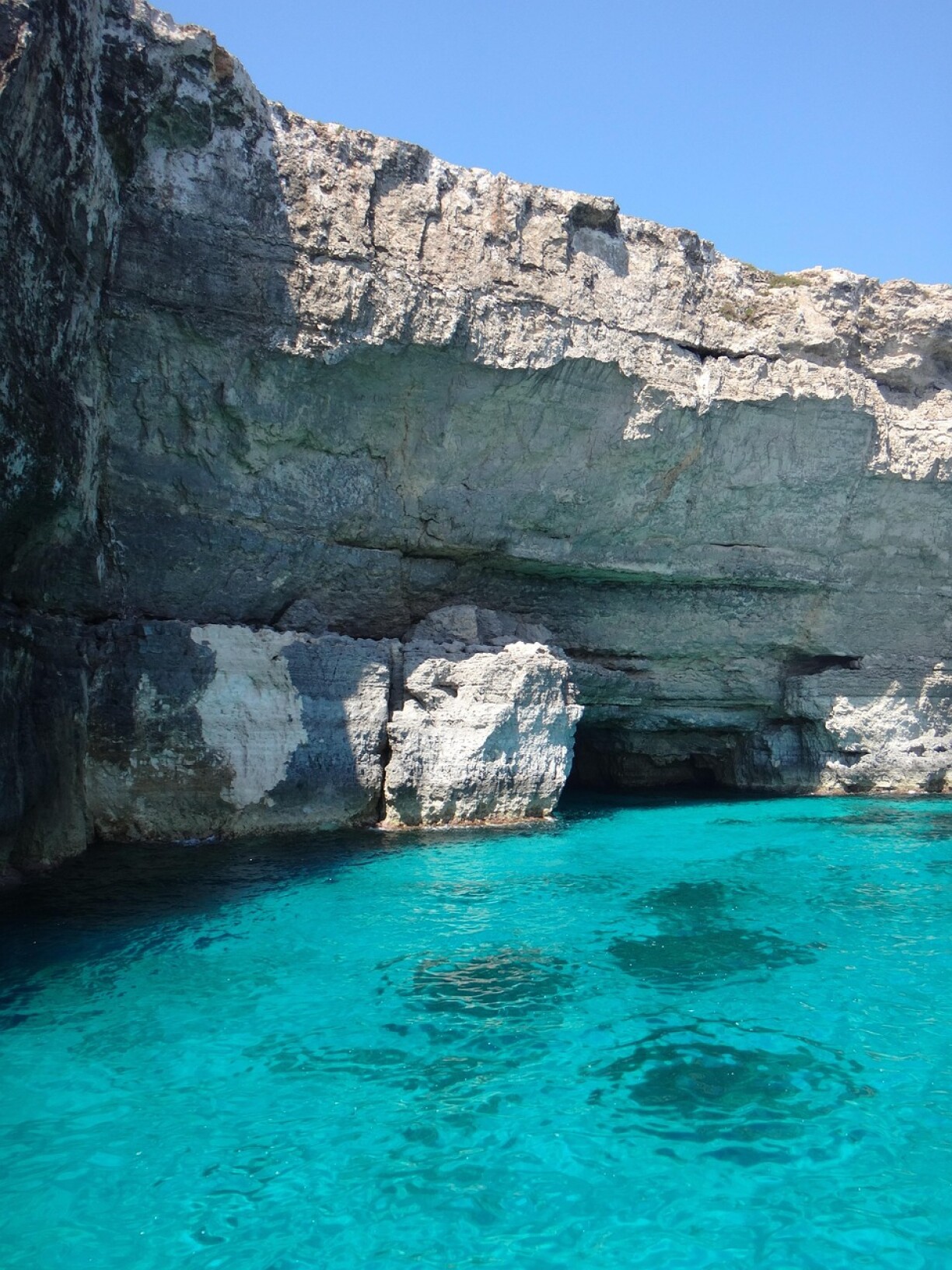
Snorkelling is also popular. Places such as Wied iż-Żurrieq or Għar Lapsi offer turquoise waters and a fascinating underwater world.
Those who want more activity can also try kayaking or stand-up paddling. The many small bays and sheltered coasts are ideal for these sports and at the same time give you a different view of the island.
Those who prefer to stay on dry land will find in St Julian's the Paceville district, known for its party and nightlife. Discos, bars, casinos – there is always something going on here in the evenings.
If you are in Malta in mid-August, you will come across a popular tradition: the Festas. Every week a different village celebrates its saint with processions, music and fireworks. These Festas are a fixed part of the Maltese summer and combine religion with folk festivals offering a unique experience.
Malta is not far from central Europe, yet very different. A flight time of about three hours will offer plenty of sunshine, a friendly population, and a mixture of old and modern – making the island an ideal weekend trip or a relaxing summer week.
Little tip: In Malta people drive on the left, so be careful if you rent a car if you are not British.
http://www.rtl.lu/radio/vakanzendestinatiounen
Alternative getaways (1): Andorra – small country, big adventures
Alternative getaways (2): Slovakia – nature, culture, and enjoyment in the heart of Europe
Alternative getaways (3): Albania – authentic, unspoilt, and turquoise waters
Alternative getaways (4): Moldova – wine, culture, and hidden treasures
Alternative getaways (5): Poland – cultural treasures, hearty cuisine, and natural beauty
Alternative getaways (6): Liechtenstein – extraordinary nature and culture in just 160 km²
Alternative getaways (7): North Macedonia – the hidden gem of the Balkans
Alternative getaways (8): Belgium – more than shopping and beaches
Alternative getaways (9): Romania – welcome to Count Dracula's?!





