If you live in Luxembourg and have been following the news lately, you've probably noticed a disturbing trend among young people. A 14-year-old girl stabbed a classmate in a school canteen a few weeks ago. A group of six minors violently assaulted and robbed another kid – and even filmed it!
Closer to home, my 8 year old was kicked in the stomach in a locker room after club swim practice. He fell and hit his head. We had to go directly to the emergency room, and he had to miss school the next day due to a head injury. (I still haven’t heard back from the swim team, by the way). Something is happening in our community, and as parents, we need to be paying attention.
I actually recorded this week's episode before any of these events made the news, which in some ways makes it feel even more timely. The conversation I had with two psychologists from the International School of Luxembourg (ISL) isn't just about keeping your child calm during exam season or scaffolding their executive functioning skills (although we cover that too).
It's about foundations – the things we build, or don't build, in our kids from a young age that shape how they handle the world when it gets hard, scary, or overwhelming. The goal is to teach kids how to react in a way that is appropriate to the situation, and for them to be able to live their values because they understand the why behind their actions.
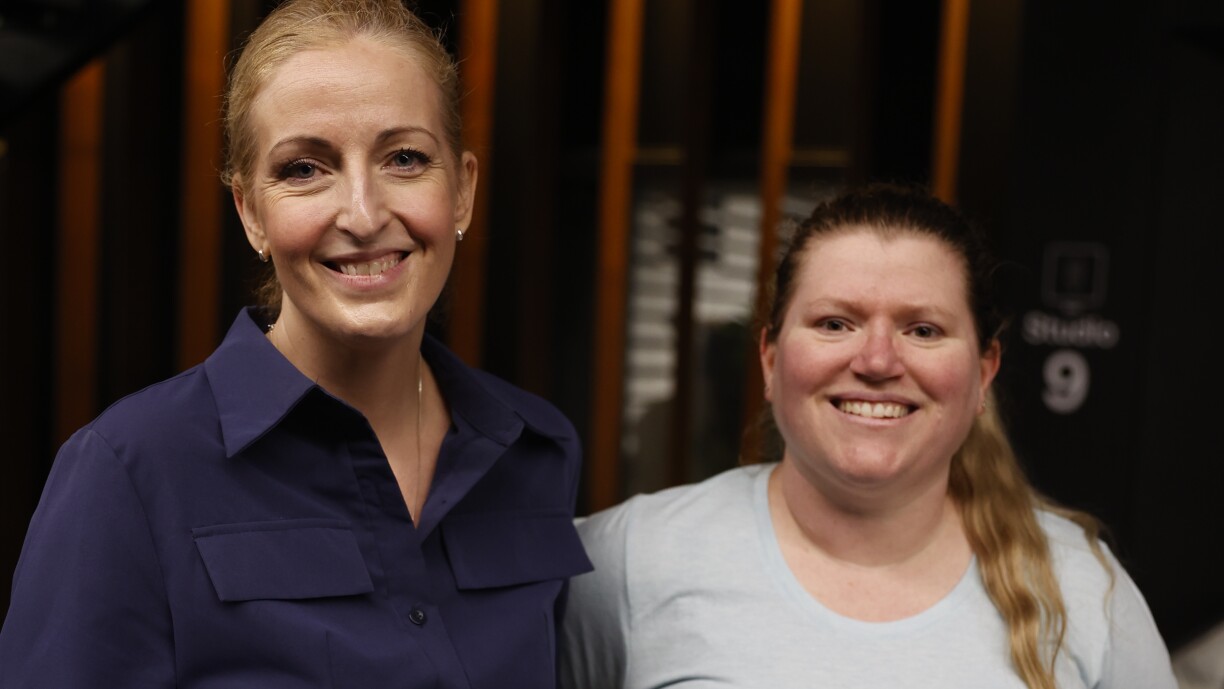
For this episode, I sat down with Beth Robertson, an educational psychologist who works primarily with younger children, and Patricia Andersson, a psychologist and assistant principal for student well-being in the upper school. Together they gave me one of the practical, honest, and genuinely useful tips on how to make this happen.
We cover a lot of ground. We start with the proactive stuff – the things you can do right now, before anything goes sideways, to set your kids up for strong mental health. Some of it surprised me. For example, I learned that when it comes to long-term mental health outcomes for teens, having a trusted adult in their life matters more than having a solid peer group.
Not what most of us would guess. This can be especially tricky raising kids in the expat life because the reality is that our village isn't nearby. If grandmas, aunties or uncles aren't nearby, then the adults that will be closest in your child’s life (besides the parents of course) are likely to be teachers and/or coaches. That ups the ante even more on picking the right school for your kids.
We also had an honest discussion about one of the hardest parts of parenting: resisting the urge to fix everything. Letting your kids fail, sitting with their discomfort instead of removing it, asking questions instead of giving answers – it sounds straightforward, but as any parent knows, it is anything but.
From there we move into warning signs – the red and yellow flags that something might be going wrong – and what it actually looks like when a child or teen is struggling at different ages. And we wrap up with resources, both within ISL and available to the broader English-speaking community here in Luxembourg, because one of the things that came up repeatedly is how hard it can be to find support in English when you need it most.
Given everything that has been happening in this country recently, I think we owe it to our kids – and to ourselves – to have these conversations. This episode is a good place to start. Give it a listen and let me know what you think. You can reach me on social media @momlifeinluxembourg or email me at momlife@rtltoday.lu.
Two weeks ago on Mom Life in Luxembourg, I sat down with Polina Schneider – postpartum doula, Fourth Trimester expert, and formerly a spirits marketing professional who pivoted to supporting new mothers after a dramatic ten-week hospital stay during her own high-risk pregnancy. If you're pregnant, newly postpartum, or know someone who is, it's a really special one. Give it a listen.





