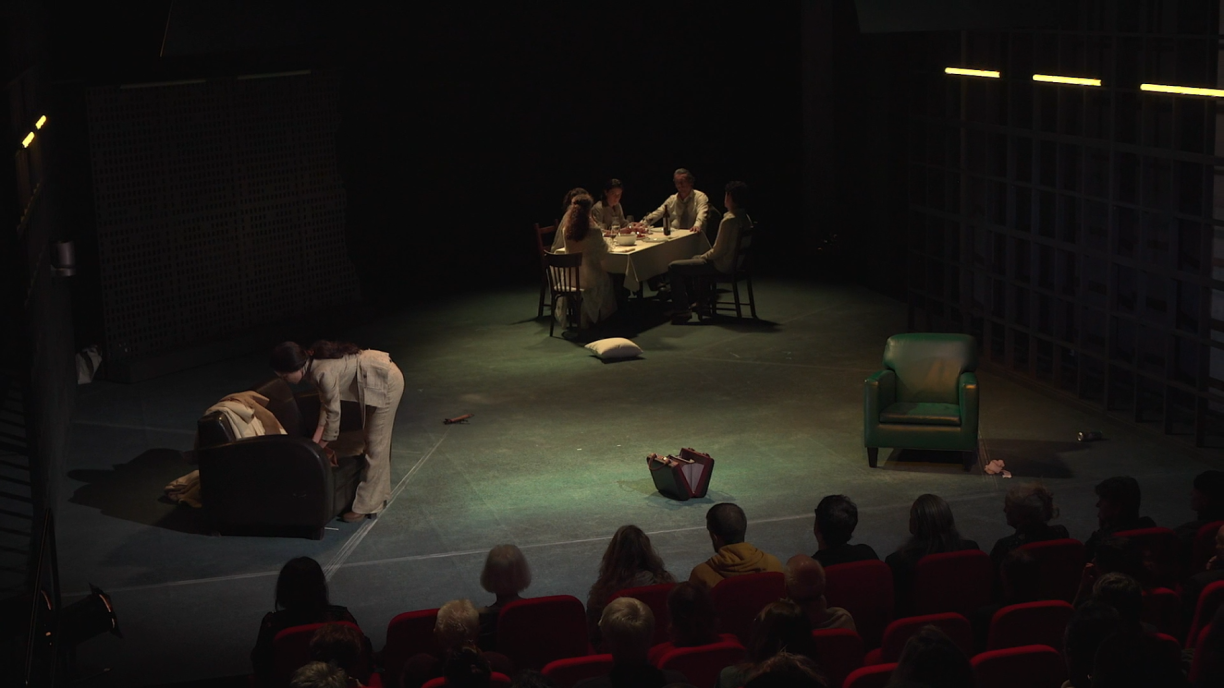
The work begins long before the première of a play and takes place behind the stage, far away from the spotlight. And yet, it is what audience members notice first, consciously or unconsciously, when the curtain rises and the first scene opens. The actors' costumes are an essential component of the staging.
A costume brings a character to life, conveying subtle information about the story, the psychology, the social status of a person, or the period in which something is set. It also helps the actor or actress find their way into a role. The shapes, colours, materials and even the weight of a costume all influence the performance of the actors.
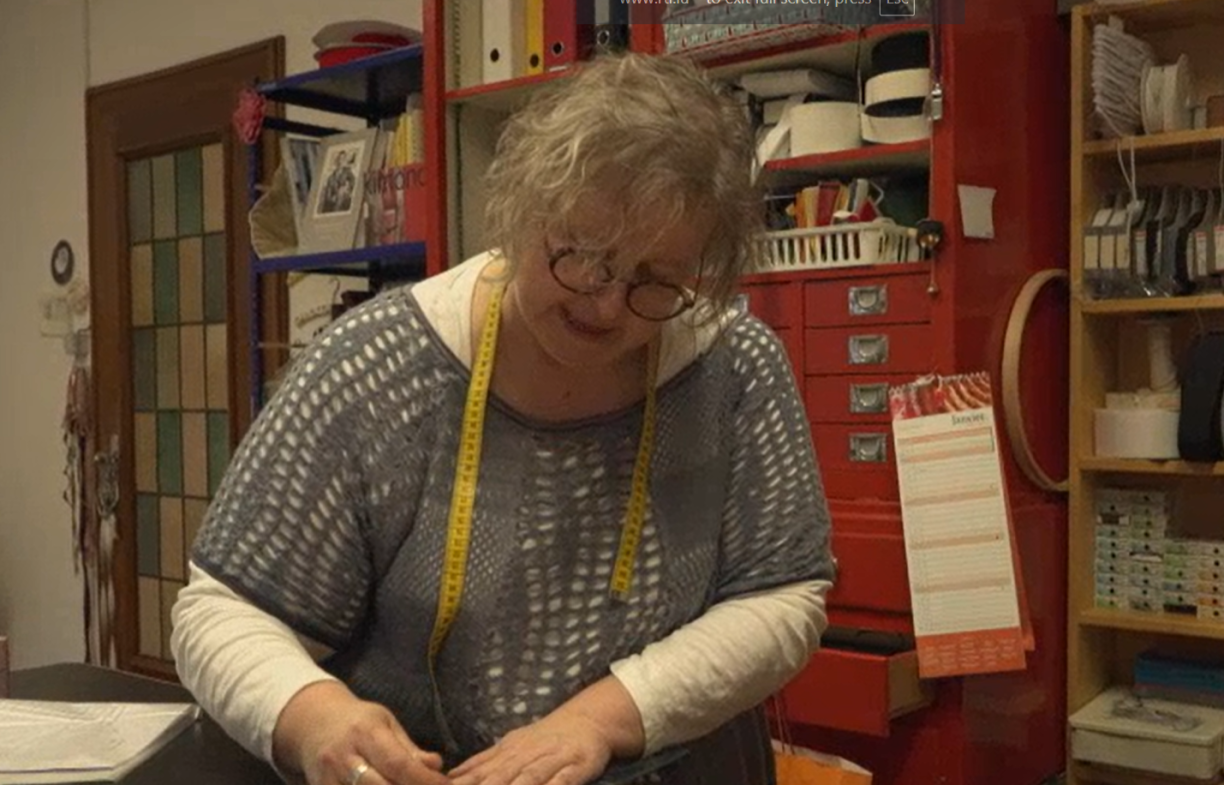
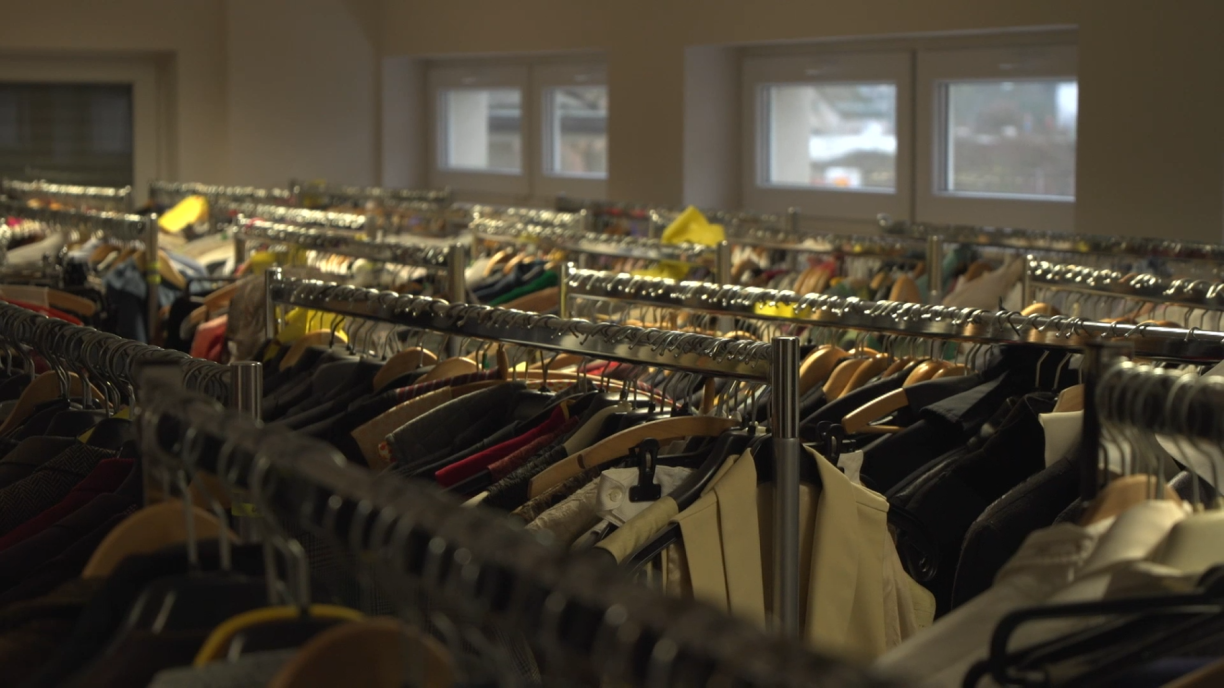
Denise Schumann is responsible for all of the National Theater's costumes. The seamstress has been doing this work for 23 years. Not every costume needs to be made entirely from scratch. The National Theatre has a large stock of clothing from productions over the past 25 years, storing more than 4,000 costumes. It serves as a kind of archive and source of inspiration for Denise Schumann.
Her work is determined by the ideas of costume designers or directors of productions. On average, she creates ten different plays a year, and each actor receives about two costumes per play. These must not only support the staging, but they must also be functional, such as when costumes need to be changed quickly.
"For the quick changes, the actor or actress has to run backstage. The dressers are waiting there; one takes off, the other puts on. They might sit down quickly on a stool to change their shoes. And then they have to be back out already", explains Denise Schumann. During a theatre performance, things can get stressful behind the scenes because sometimes actors only have 20 seconds to change their costumes. That is why press studs or zips are often used instead of buttons, which do not allow for such fast changes of costumes. Sometimes Denise Schumann designs a costume from scratch, and sometimes she alters a garment that has been used before so that it works for a new production.
When the curtain rises at the theatre, and a production is performed, everything must be perfect: not only the performance of the actors, the quality of the dialogue, the set design, but also the costumes. Every piece of the puzzle contributes its part to allowing the audience to immerse themselves in the story of the production.





