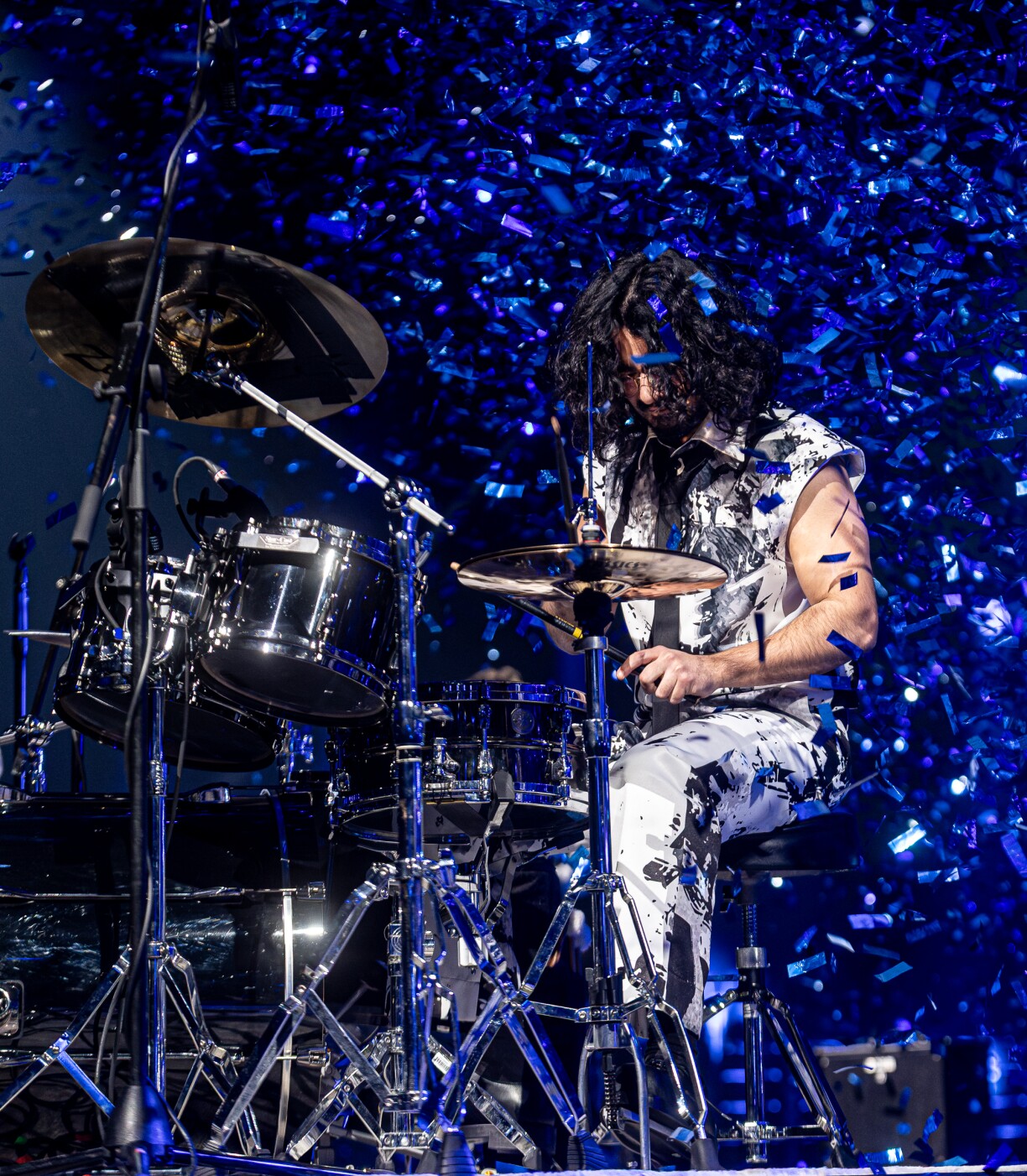
Smoke on stage, effects firing from all sides, and showers of confetti are the moments that impress audiences, heighten emotion, and create the atmosphere people associate with major live events. But how are these effects actually produced?
Behind the scenes of the Luxembourg Song Contest (LSC), around 200 technicians, performers, and specialists are at work. Each has a clearly defined role, including the team responsible for special effects.
More than 30 devices were used for this year's show, ranging from fog machines to confetti cannons. According to special effects technician Ken Fitzke, one of the biggest challenges is managing the complex web of cables, making sure nothing gets mixed up and that each effect is triggered in the right place at the right moment.
During the full dress rehearsal, held one day before the live final with an audience, all effects for every single performance are tested again. Artists only discover the final look of their stage design and effects during the first rehearsals, as all creative decisions are made internally ahead of time.
One performance was supposed to end with a confetti shower. Immediately afterwards, the technical crew was instructed to clear the stage as quickly as possible, ideally within 40 seconds. In reality, the clean-up took around eight minutes.
After searching for solutions, the technical director made a pragmatic call: no more confetti.
The evening marked the culmination of weeks of preparation for the eight contestants, but they were far from the only ones involved. A few weeks before the final, the production team went looking for three generations of Eurovision Song Contest (ESC) fans. They found them, invited them to the LSC, and gave them the chance to share live on stage how their passion for Eurovision began.
They were not the only special guests. Children from the 'You Can Sing' contest also appeared on stage alongside Laura Thorn, performing a new version of La poupée monte le son. Beyond the performances, the team also highlighted some of the people who helped shape the LSC: from dedicated fans and live interview guests to journalists who travelled from as far as Australia to report on the contest in Luxembourg.
In conversation with RTL, Elisabeth Conter, the new Head of Delegation and project manager of the LSC, said she was very pleased with the final result. For her, it represented the reward for months of intense pressure, long days, and constant stress.
She described the road to the final as an emotional rollercoaster, with moments of satisfaction followed by sudden setbacks. Until the very last moment, she explained, it is impossible to know how everything will come together on screen. Now that the show is over, however, she said the team can look back with genuine satisfaction.
Conter also shed light on what is often referred to as the "ESC bubble", a term frequently used in connection with Eurovision, hinting at the unique, all-consuming atmosphere that surrounds the contest world.





