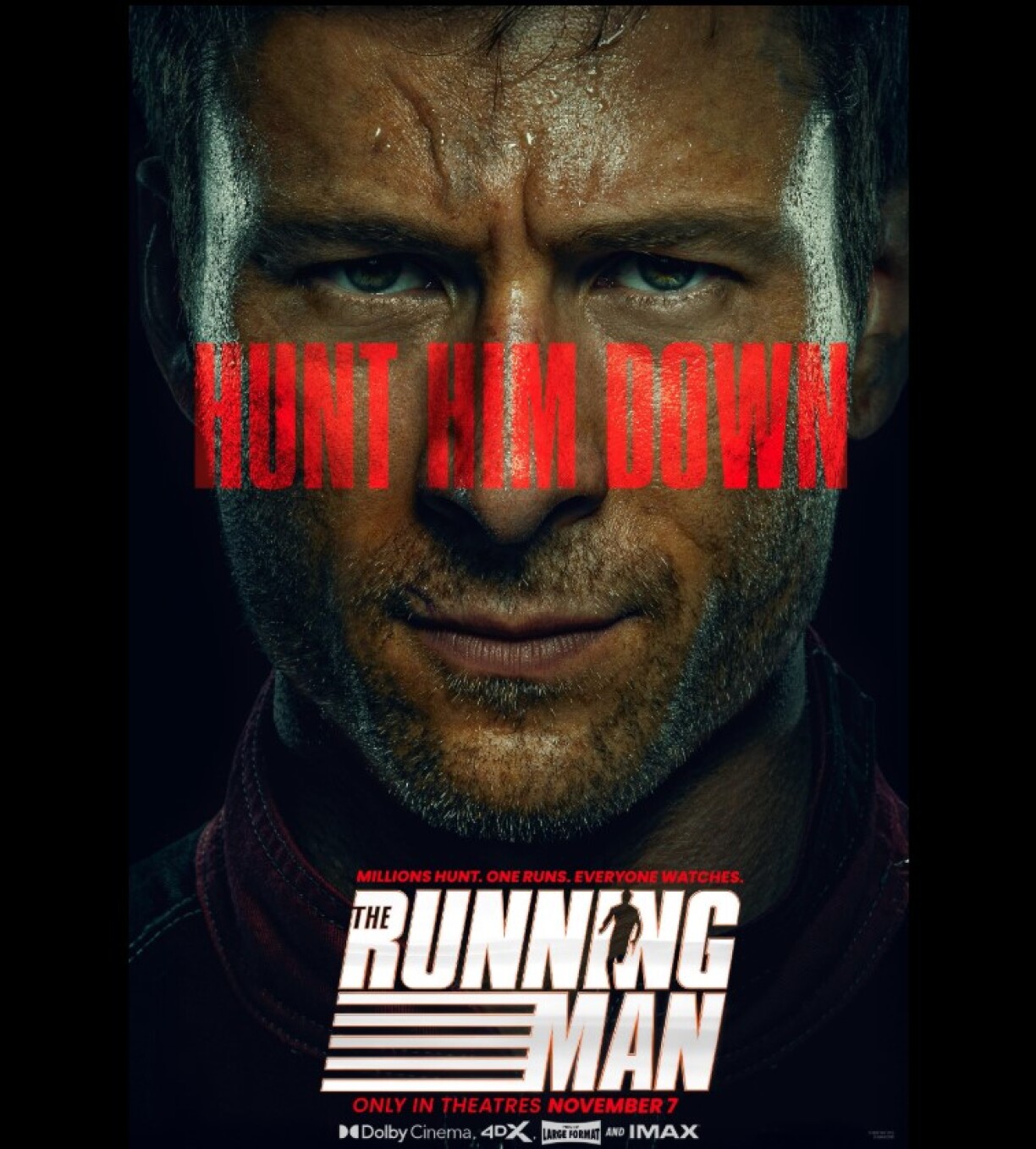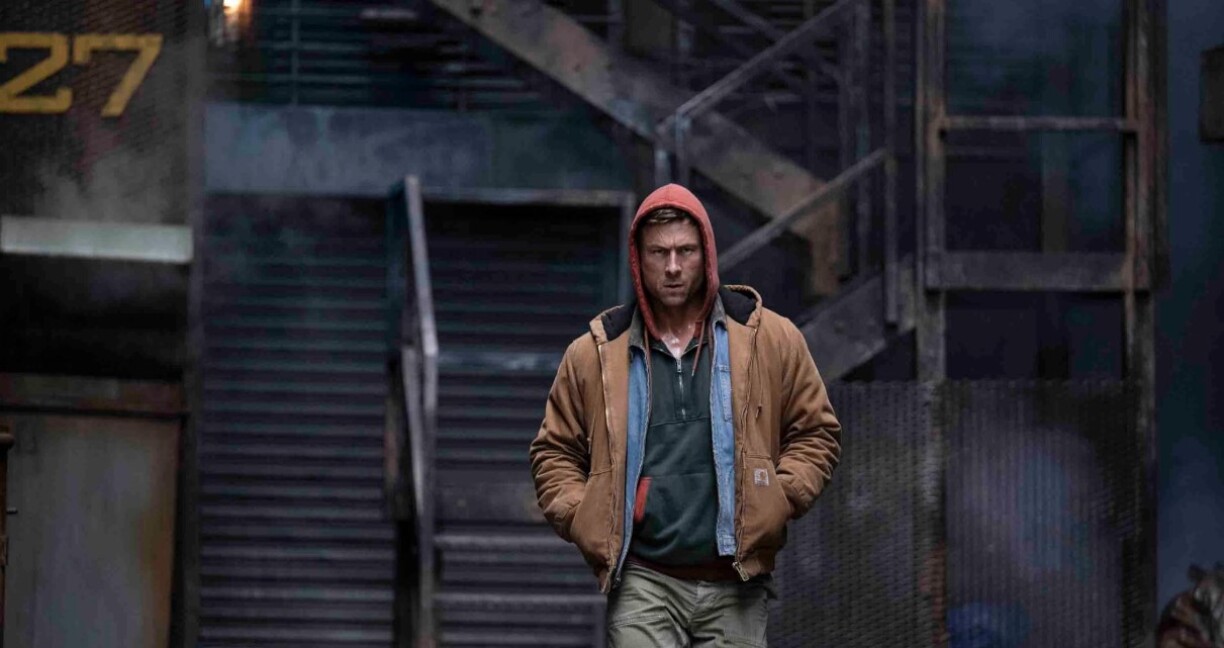
Starring Glen Powell as the reluctant contestant forced onto a kill-or-be-killed reality show, the film hums with manic energy and visual inventiveness. Wright clearly relishes the chance to rework Stephen King’s dystopian concept, and moment to moment, it’s a blast: funny, frenetic, and stacked with characterful supporting turns.
Where the film excels is in its spectacle, Wright choreographs chaos like few others, turning every chase, every trap, every “episode” of the deadly show into genre candy. Powell brings charm and desperation in equal measure, while Keke Palmer and Ben Schwartz round out a cast that leans fully into the heightened world.
It’s a movie that, in pure craft terms, lands hit after hit, and for much of its runtime feels like Wright operating at a confident new scale.
But for all its thrills, The Running Man wobbles when it reaches for deeper relevance. The original film was blunt, even messy, in its satire of broadcast sensationalism; Wright’s version aims for commentary on social media overload, algorithmic outrage, and the collapsing line between entertainment and exploitation yet the script never quite decides what it wants to say.
The themes appear, flash brightly, and then fade back into the noise, leaving the cultural critique feeling half-developed.
In today’s America, where political theatre, influencer culture, and online mob dynamics shape public life, the premise should feel sharper than ever.
Instead, Wright’s take only brushes against that potential. The Running Man is undeniably stylish, clever, and engaging, but its satire lacks the teeth needed to fully resonate with our hyper-mediated, outrage-driven moment. A very good time at the movies, but not quite the cutting indictment it seems to be aiming for.
For more movie, TV, streaming and gaming news...head to Screentime, our weekly show on ALL THINGS screen related.