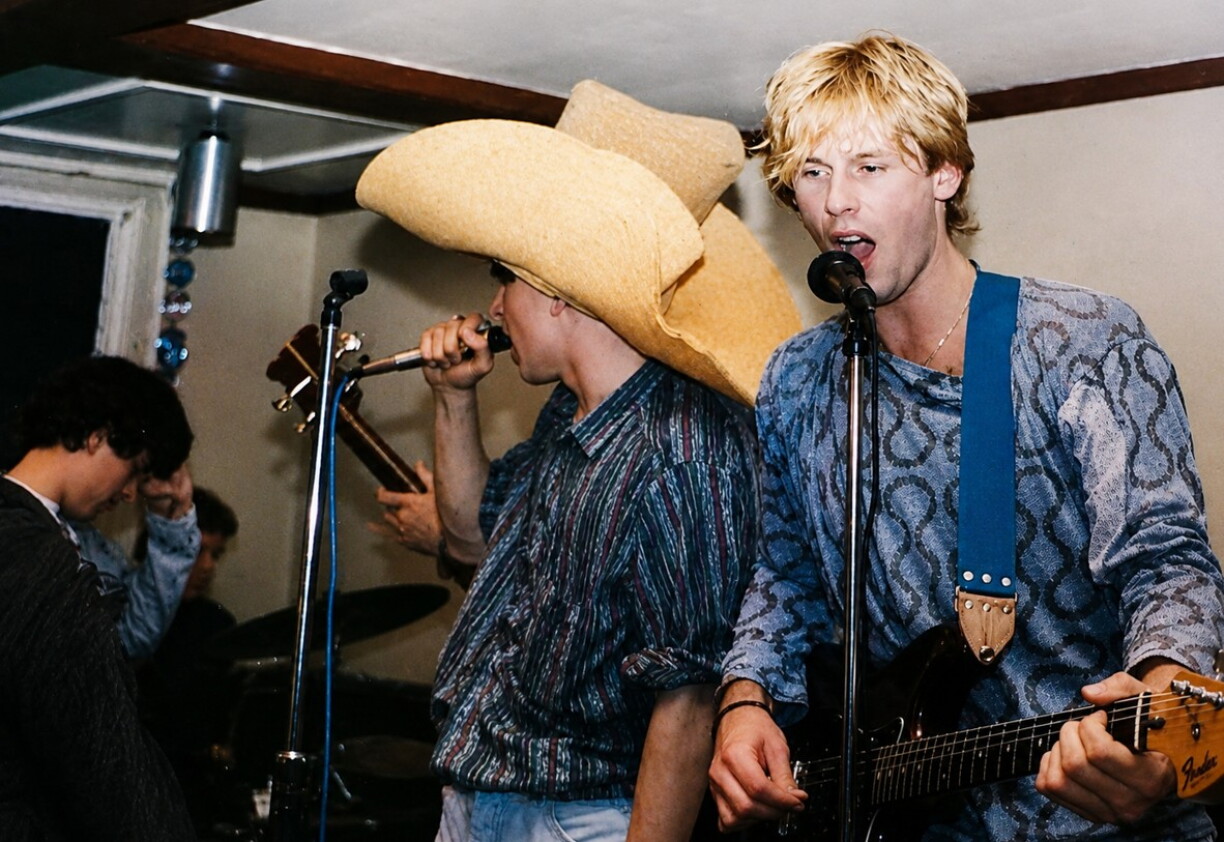
Loquacious bassist Niall Lambert joined The Lunchbox on RTL Today Radio to tell the improbable story of a Liverpool band formed by schoolboys in the mid-1980s, swept into one of Britain's most fertile musical scenes, scattered by adult life and then unexpectedly reunited decades later to make the album they never managed the first time around.
“None of us had any dreams of ever doing this,” Lambert admits. “We'd put it to bed. We had good memories, made a lot of friends, and then something just fell out of a blue sky.”
The story begins in Liverpool around 1984, when Lambert and his friends were just 15 or 16. While Echo & the Bunnymen, The Teardrop Explodes and The Wild Swans were defining the city's contemporary sound, the teenagers were looking backwards: 1960s garage rock, psychedelia, rare groove and the Nuggets compilations were their obsession.
They rehearsed in a mate's garage and gradually became rather better than anyone had expected. Their first show at a local technical college even featured an unknown Rick Astley (yep, that one), then playing with a band called FBI, as support.
Soon the Soap Choppers were sharing bills with The La's, playing venues including Manchester's Haçienda and developing a sizeable following across the north-west.
Then came one of those accidents upon which careers can turn. At a football match they met BBC Radio 1 DJ Andy Kershaw, who offered them a session. “We were thinking about university, we were probably going to split up, we weren't really serious about it,” Lambert remembers. “It was all a bit of a laugh. The irony was we'd actually become quite good.”
The Radio 1 appearance encouraged them to record a single, while gigs brought them into the same orbit as musicians including Ian Brown and John Squire, before The Stone Roses became one of the defining British bands of their generation.
There were NME mentions, growing audiences and enough momentum to leave Lambert wondering, even now, what might have happened. But, as he puts it, borrowing Lennon: “Life is what happens when you're making other plans.”
And life very definitely happened. Singer Tim became a father. Guitarist Mark eventually went to work with Richard Branson and moved to New York. Lambert became a commodity futures trader. Other members became teachers, carers and guides; marriages, children and geography did the rest. The band simply drifted apart.
Then, around 18 months ago, Lambert's phone rang. It was Mark in Manhattan. “It was like The Blues Brothers: 'we're getting the band back together',” Lambert laughs. “My obvious first question was: ‘Are you dying?’” He wasn't. He simply wanted to know whether, after almost four decades, they fancied another go.
Reassembling the band became detective work. Some original members understandably declined, one wanted nothing to do with his teenage musical life, another's back made drumming impossible, so old friends and former collaborators were recruited.
Pete, an old schoolfriend and original drummer with The La's, came aboard, while Liège-based music teacher Brian completed the closest approximation possible to the old line-up.
Eventually they gathered at a Liverpool studio, some seeing one another for the first time in 30 or 40 years. “It was astonishing how old friends can just pick it up again,” Lambert says. “Like nothing had happened. Like no time had passed. We just clicked again.”
The next logical step was, naturally, to decamp to St Lucia for a month. With accommodation arranged through Mark's connections, the reunited band rehearsed for three weeks before recording with cult producer Kramer, the Shimmy-Disc founder associated with artists including Butthole Surfers and Galaxie 500, whose lo-fi aesthetic was exactly what the group wanted.
Thurston Moore (Sonic Youth) was also around during the project, and in a story almost too perfect to be scripted, an old schoolmate happened to arrive in St Lucia aboard a cruise ship while working professionally as a Paul McCartney impersonator. He duly joined them to sing backing vocals before returning to the ship.
Forty years earlier they were rehearsing in a Liverpool garage; now they were making the missing album in the Caribbean with an underground-rock legend and a floating faux-Beatle.
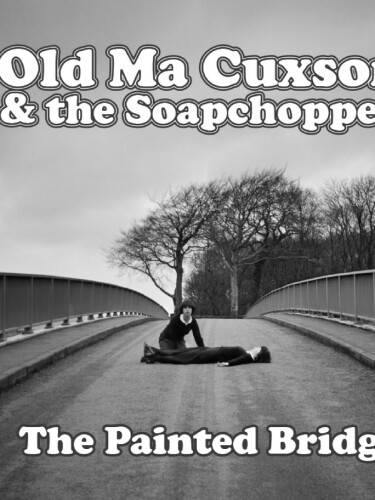
That album, The Painted Bridge, is due in January, preceded by several singles, including a newly recorded version of “Don't Cry Darling, Daddy Had to Drown the Cat”, a song originally written when the band were teenagers.
A first pressing of 500 copies on white vinyl will incorporate photographs and memorabilia from their original era, turning the record into something of a document of both versions of the band.
There have already been radio plays in Seattle and New York and offers of shows in Britain and the US, although Lambert is realistic about the logistical challenges of touring when the musicians now live across several countries and have families and careers.
What began as “a bucket-list thing”, though, has unquestionably grown wings. And if circumstances allow, another trip to the Caribbean studio could follow next spring.
After a 40-year hiatus, Lambert has learned better than most that “never” is an awfully long time in music.
And there's just the sneaking suspicion that there are a great many tales left to tell.
Follow Old Ma Cuxsom & the Sopachoppers on Insta here.





