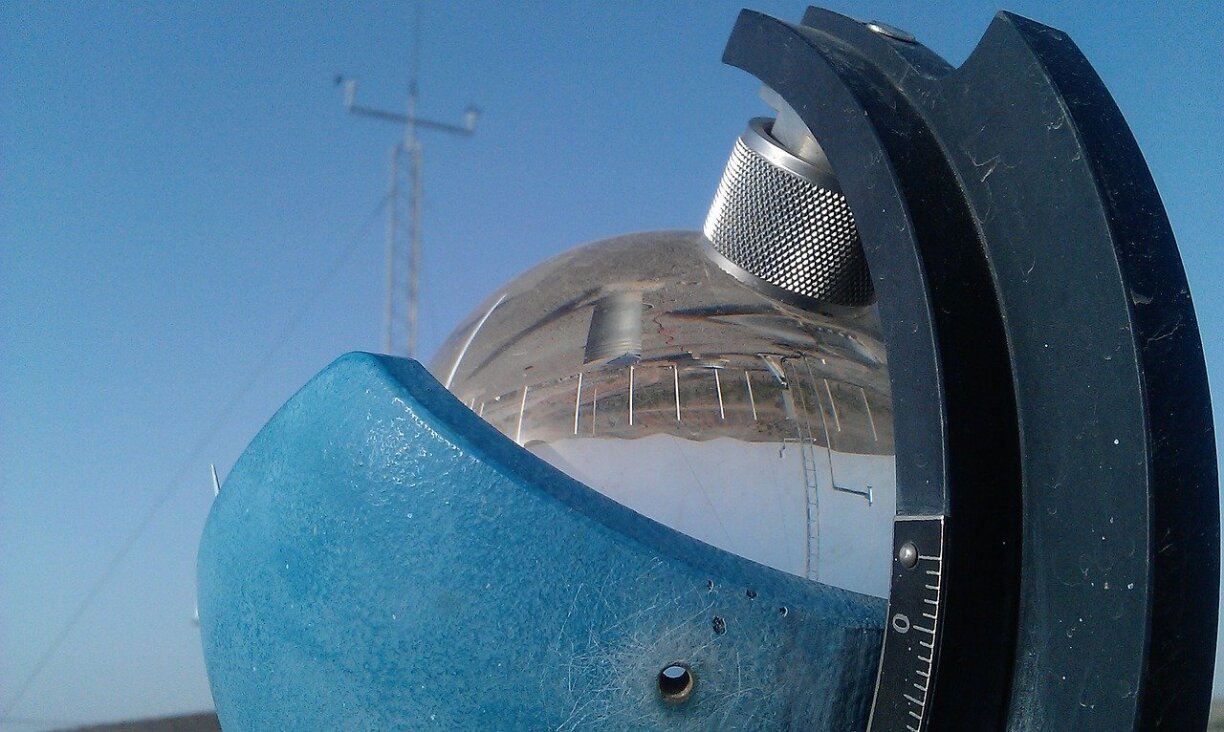
Back in 1947, Luxembourg's population had grown tired of being drip-fed weather information that consisted of taking data gathered from the German, Belgian and French authorities.
It was no longer enough to be stuck in the middle of three different weather systems.
None of them agreed.
It was like being caught in argument between mum and dad AND Uncle Kevin/Auntie Sheila....
And, even if it was sunny in Arlon it did not necessarily mean that you could tan it up in Alzingen. If Thionville was wet and wild, it did not have to be that Villerupt folk were digging out the wellies.
Also, partly to finish off the trio AND also to further the narrative (such as it is), when it snowed in Trier it did not always come to pass that a snowflake was witnessed gracing the neatly mowed lawns in Flaxweiler.
So, after years of petitioning, arguably the GD's love for petitions was born from these very actions, motions were finally passed for Findel to receive it's very own weather station.
In truth, the government had neither the means nor the knowledge to begin such a project but the public, growing tired of reading the reports of fine sunny weather and then being caught in a deluge precisely four and a half minutes later, were growing increasingly restless. They demanded satellite printouts and some of those windmills that looked like ice cream scoops.
The government bought a heap of cut-price Schubbi knock-offs and set about constructing the facility.
It was heralded across the four lands as a major breakthrough in weather forecasting. The Germans had thought that they could finally stop winging it. The Belgians, they had hoped they could stop throwing sedatives in mayonnaise stocks in order to calm the public.
The French, well, the French just shrugged.
For the Luxembourg population, Findel's weather centre was more than just stature. It meant that people could go to work safe in the knowledge that if they had pegged out the laundry that morning, they would not come back to it being even wetter than when removed from the washing machine.
There were parties in the streets, larger than even even for the Duke's Birthday Celebrations. There were tee shirts made, and posters printed.
While this was undoubtedly great for the nation as a whole, it was a nightmare for parliament.
This was the emperor's new clothes writ large. None of the machinery worked for a set function. The flashing lights and moving parts, a miasma of fairground attraction pieces glued and drilled together.
Veritable smoke and mirrors.
The 'employees' were actors, hired to spout the occasional 'fact' or deliver 'data' from their modern technology.
It was a well-known fact that Luxembourg's weather was, and is, an impossible beast to tame. It became part of the heritage. People would joke about it in passing. No one knew what the weather would be from one minute to the next, let alone daily.
But at least the public were happy with the shiny new building and the fancy new terminology.
At least the public were content with being told the very same news they were before, but this time with a sprinkling of 'identity'.
So, the team at Meteolux operates in precisely the same manner they did before. That is to look across the borders, see what's up.
They examine the reams of satellite print outs, they gaze at the wall of screens beaming data from the bottom of penny-pusher slot machine.
They marvel at the world data center's wealth of information. Most of it impenetrable to anyone but the most well-trained of meteorologists.
They close their eyes, they cross their fingers.
And then...then they guess.
*some facts have been altered and names and date changed to protect the identity of those who were involved AND also to prevent any legal action being taken.





