At the school canteen, for example, it is very rare that the vegetarian menu is also dairy and egg-free; usually it will be smothered in cream or cheese. I usually content myself with a packet of Oreos (which are vegan, believe it or not) until I get home. At restaurants, I have already given up hope of there ever being anything other than fruit salad or sorbet as an option for vegans. However, I know that these are small sacrifices when looking at the bigger picture, and I am certain that this will change over the next decade.
Veganism is a term that everyone is becoming more and more familiar with as it hits the mainstream. It has been labelled one of the fastest growing movements on the planet and, in 2018, going vegan was one of the biggest food trends. It was during this year that I myself made the switch, having been convinced by a dear friend of mine.
There are three reasons people choose to convert to veganism: ethics, health and protecting the environment. All of these are entirely valid points, yet many ‘omnivores’ – that is people who eat both plants and animal products – tend to wave away these reasonings because of their love for meat, eggs and dairy, which are also prominent in many traditional dishes. They aren’t ready to give these foods up any time soon, and don’t see themselves ever following a plant-based diet. However, as many vegans have been declaring, plenty of people have been managing to make the change, with a demand for meat-free food increasing by 987% in 2017. This gives great hope to the many vegans, who long for the eventual shift to a vegan world. Of course, even they know that this will never be entirely possible, as for some poorer countries, meat is a necessity for survival.
What vegans are trying to advocate is that buying animal products when it is for the sole purpose of pleasure, is easily avoidable – now more than ever – and helps the animals, the planet and our health.
There are a couple of problems, though. First of all, the general public is completely disconnected from the industries that produce their food, which means that they don’t think twice about where their ham, cheese or eggs have come from. They don’t have any idea what goes on behind those closed doors, and the industries do their best to keep it that way, portraying happy cows on endless green meadows in their adverts.
There is a certain amount of manipulation going on here. Time and again we have been told that animal products are essential for our good health, when in reality, we have no need of these products at all, and are probably better off without them. As the American Dietetic Association declared in in 2009: ‘It is the position of the American Dietetic Association that appropriately planned vegetarian diets, including total vegetarian or vegan diets, are healthful, nutritionally adequate, and may provide health benefits in the prevention and treatment of certain diseases. Well-planned vegetarian diets are appropriate for individuals during all stages of the life cycle, including pregnancy, lactation, infancy, childhood, and adolescence, and for athletes.’
In other words, we can survive, and in fact thrive on a vegan diet.
Another problem is the reputation of vegans, which has been harmed ever since aggressive vegan extremists took to vandalising butcher’s and farmer’s properties. This is unfortunate for vegans, who would prefer not to be compared to these extreme cases of activism. According to many of them, it is their duty to stay patient and understanding when approaching this sensitive topic, as they remember that they too once lived on a standard diet.
‘But isn’t going vegetarian enough?’ This is a common question that has also been countered by vegans. The fact is that both the dairy and egg industries exploit animals in what would generally be described as ‘cruel’ ways. In the dairy industry, cows are constantly kept pregnant by artificial insemination, as they only produce milk when they have offspring. Three months after giving birth, they are impregnated again. This unnatural procedure causes premature death and exhaustion. In the wild, cows would have a life expectancy of twenty years, but dairy cows, on the other hand, are sent to be marketed for beef around the age of 6.
The egg industry is no less cruel. Despite being labelled ‘free-range’, chickens are more often than not kept in confined areas and forced to consistently produce eggs, though they would naturally only lay a 15-16 per year. This has a damaging impact on the chickens’ health and when they are no longer able to cope with the strain, they are sent off to be slaughtered.
These facts surprise most people, and often make them reconsider their lifestyle. In 2019, this is what seems to be happening. Vegan activists and vegans alike are shedding a light on the animal industries and as more and more people become aware of what is going on, the vegan population rises.
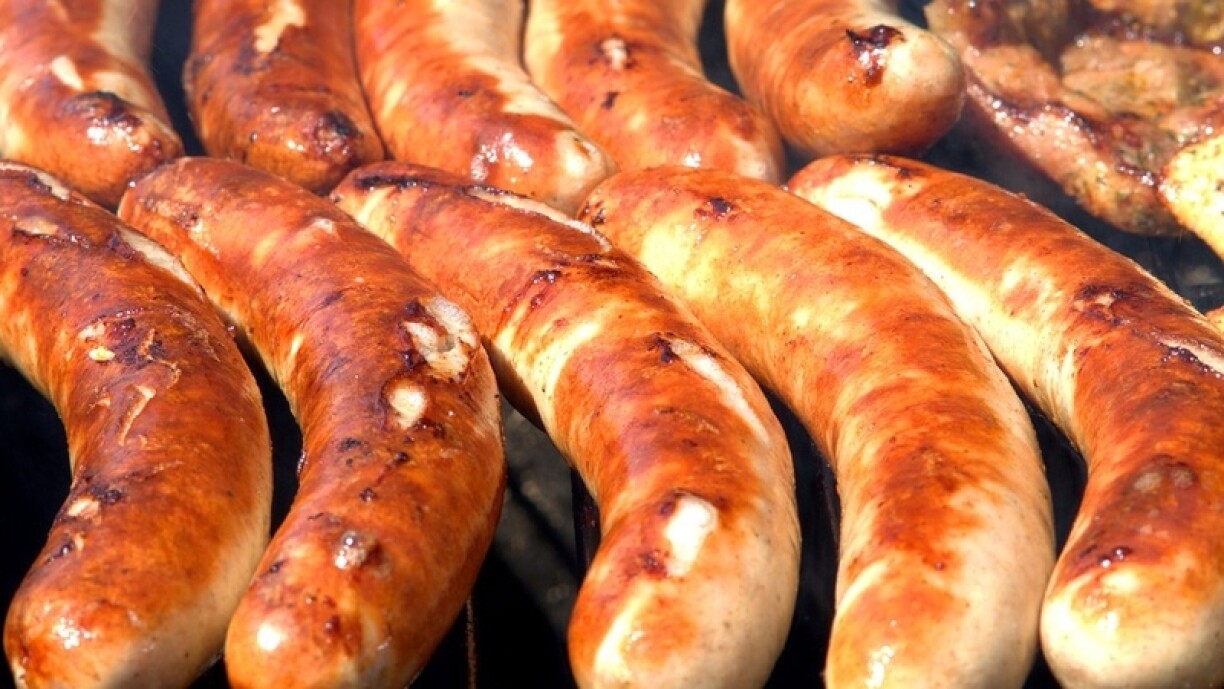
So next time you bite into a Grillwurscht, spare a thought for the animals, and try and make that connection between the industry practices and your food. Step by step, you may find yourself adopting a vegan lifestyle.
----
Noah Gudgeon is an English-born student who goes to school in Diekirch. In his spare time he enjoys composing music and writing short-stories and is passionate about living the vegan lifestyle.
Do you have something to get off your chest? Perhaps an observation, question, gripe, or praise? Feel free to drop us a line through audience@rtltoday.lu, or through our Facebook page.





