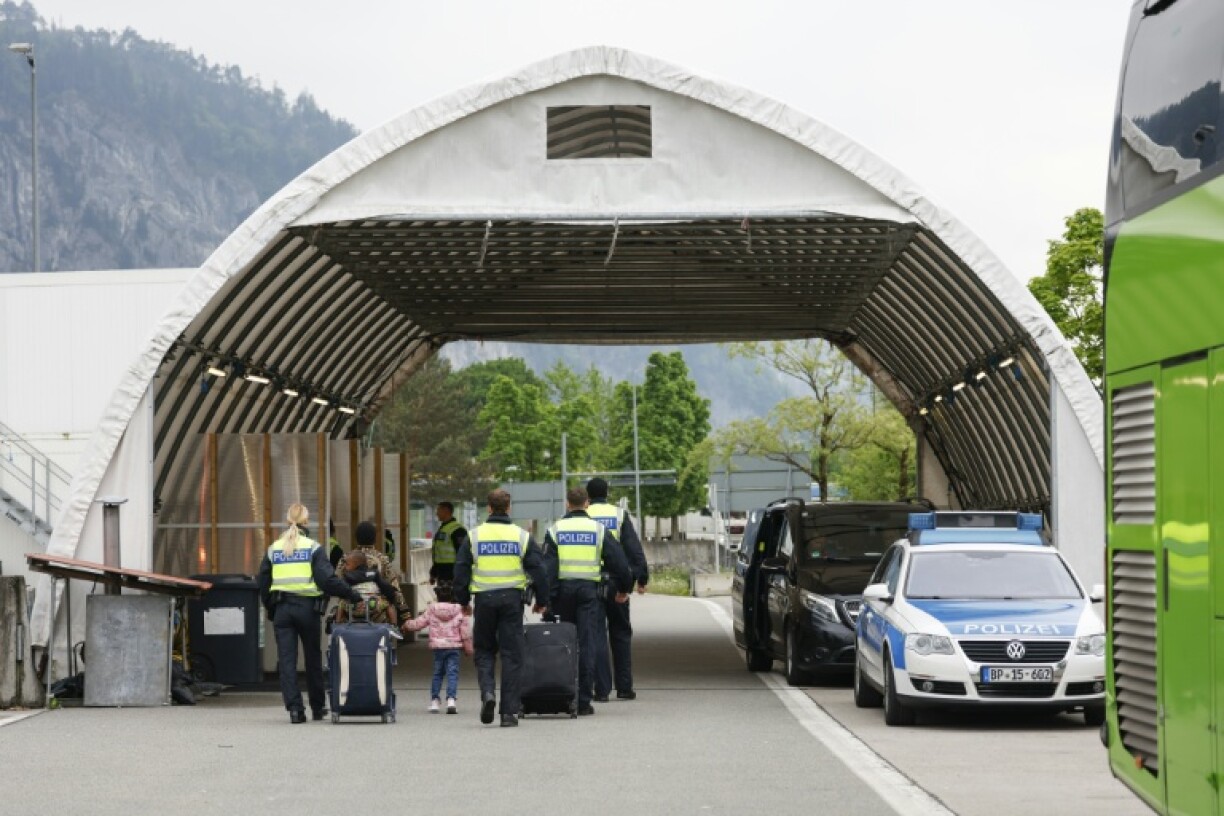
German federal police reported on Thursday that they recorded 33,338 illegal entries between 8 May and the end of the year, the majority of which were turned back. As part of these border controls, 1,065 suspected irregular border crossers were provisionally detained. Police also reported the arrest of 5,906 individuals who were subject to outstanding arrest warrants.
Interior Minister Alexander Dorbindt ordered stricter controls and returns at all nine of Germany’s borders on 7 May, with exceptions made for vulnerable groups such as children and pregnant women. Since then, police reported on Friday that 242 individuals have requested asylum at the borders on the grounds of vulnerability.
Police further report that among the returned people, around 1.200 originated from countries classified as safe third countries and were therefore not allowed to cross the border. Moreover, 1.253 individuals had already been issued a ban denying them renewed entry into Germany.
The number of registered illegal entry attempts by land, air, or sea reached a four-year low by the end of 2025, including all registrations between 1st January and the end of the year. In comparison, 83,572 illegal entries were recorded in 2024, and 127,549 in 2023.
Illegal or irregular entries include cases where individuals do not hold a valid residence permit. At the start of their mandate, the new German coalition government, made up of the CDU/CSU and SPD, immediately implemented a stricter migration policy.
The figures come after more than a year of friction between the Luxembourg Government and German authorities, with more than 55,000 people commuting daily between the Luxembourg and neighbouring regions of Germany.
In October 2024, Minister for Home Affairs Léon Gloden openly critcised the disruption as being "not in the spirit of Schengen."
However, checks remained in place until August 2025 after it was agreed to improve cross-border cooperation between the Grand Ducal Police and the Bundespolizei.





