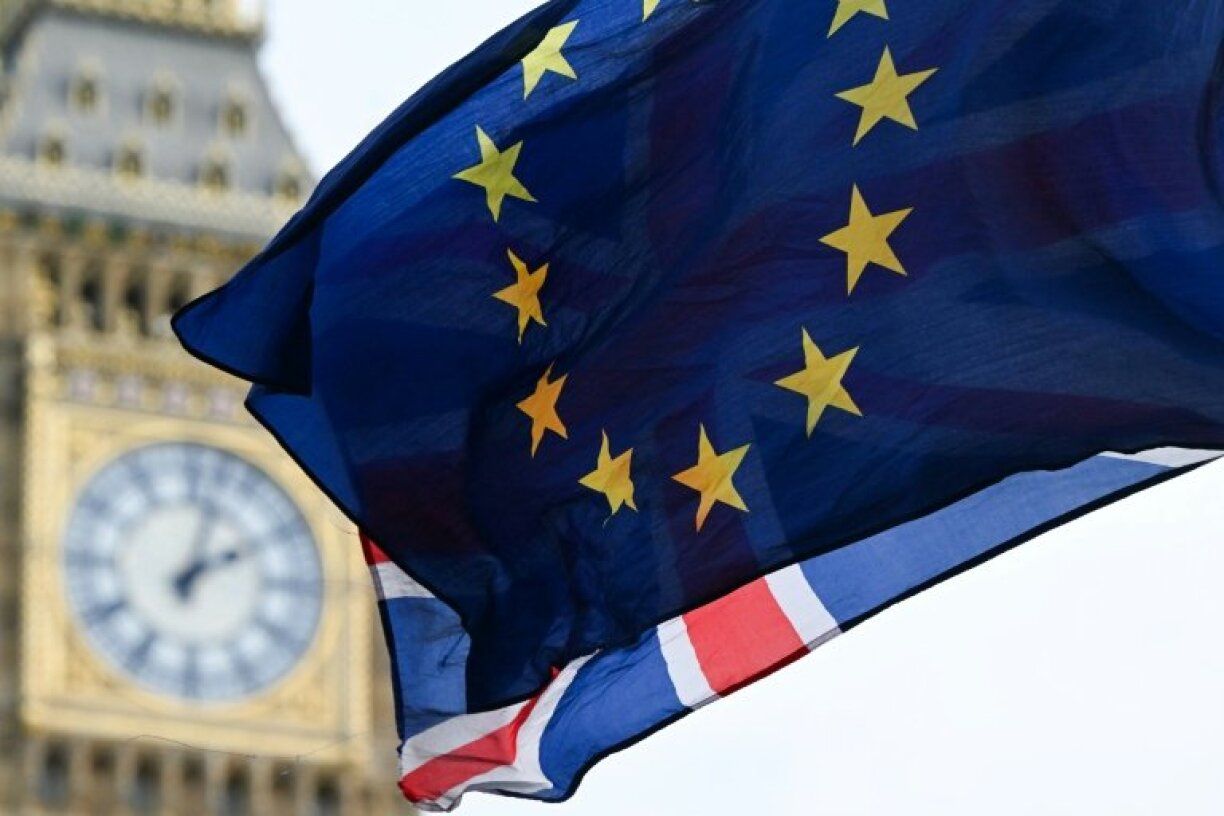
"Europe must be greater than the sum of its parts", this is according to a statement released by the UK Domestic Advisory Group, as the UK will host its first official summit with the European Union since Brexit on 19 May – widely viewed a key step in rebuilding relations under the Labour government.
The meeting – attended by senior EU leaders and Prime Minister Sir Keir Starmer – will look at launching a new and impactful EU-UK partnership focused on security cooperation and reducing trade friction.
Negotiations have been underway for months, with a series of precursor meetings taking place at Lancaster House, London, in how the UK and EU could strengthen their ties in defence, which within the context of the rapidly evolving situation in Ukraine, will be at the centre of the agenda.
A proposed UK–EU Security and Defence Partnership will also aim to complement NATO by addressing broader threats, including infrastructure protection, energy resilience, migration and transnational crime. EU foreign policy chief Kaja Kallas – who has led talks on the agreement – said the partnership reflects a shared need to move forward despite past tensions.
Industry leaders have welcomed the prospect of a security pact. UK defence firms would possibly benefit from EU funding – including the €150 billion SAFE (Security Action for Europe) programme – which aims to scale up Europe’s defence capacity. Trade associations say British firms could increase EU defence output by as much as 20%.
Opposition parties – including the Conservatives and Reform UK – have criticised the government’s approach. They warn that deeper ties with the EU risk undermining post-Brexit sovereignty. Some have pledged to reverse any agreements if they return to power.
The Labour government – elected in 2024 on a campaign pledge promising closer ties with Europe – is also negotiating an agreement to ease border checks on food and drink. The move is intended to lower costs for consumers and businesses, particularly in Northern Ireland.
Of interest to under-30s and emerging generations is a measure under discussion relating to a youth mobility scheme – it is proposed to allow limited numbers of younger adults from the UK and EU to live and work in each other’s countries for fixed periods. Ministers argue the scheme would be tightly controlled and unlikely to affect net migration figures. Such a model already exists with countries like Australia and Japan.
Fishing access could remain a sticking point. Existing EU rights to UK waters expire next year, and future access is expected to be a bargaining chip. EU member states such as France and Denmark are likely to press for continued fishing rights in exchange for progress on wider cooperation.
Source: BBC
See also:
Under pressure from hard-right, Starmer takes cautious approach to EU 'reset'
'Pragmatic' approach could reap 'ambitious' UK-EU deal: Starmer





