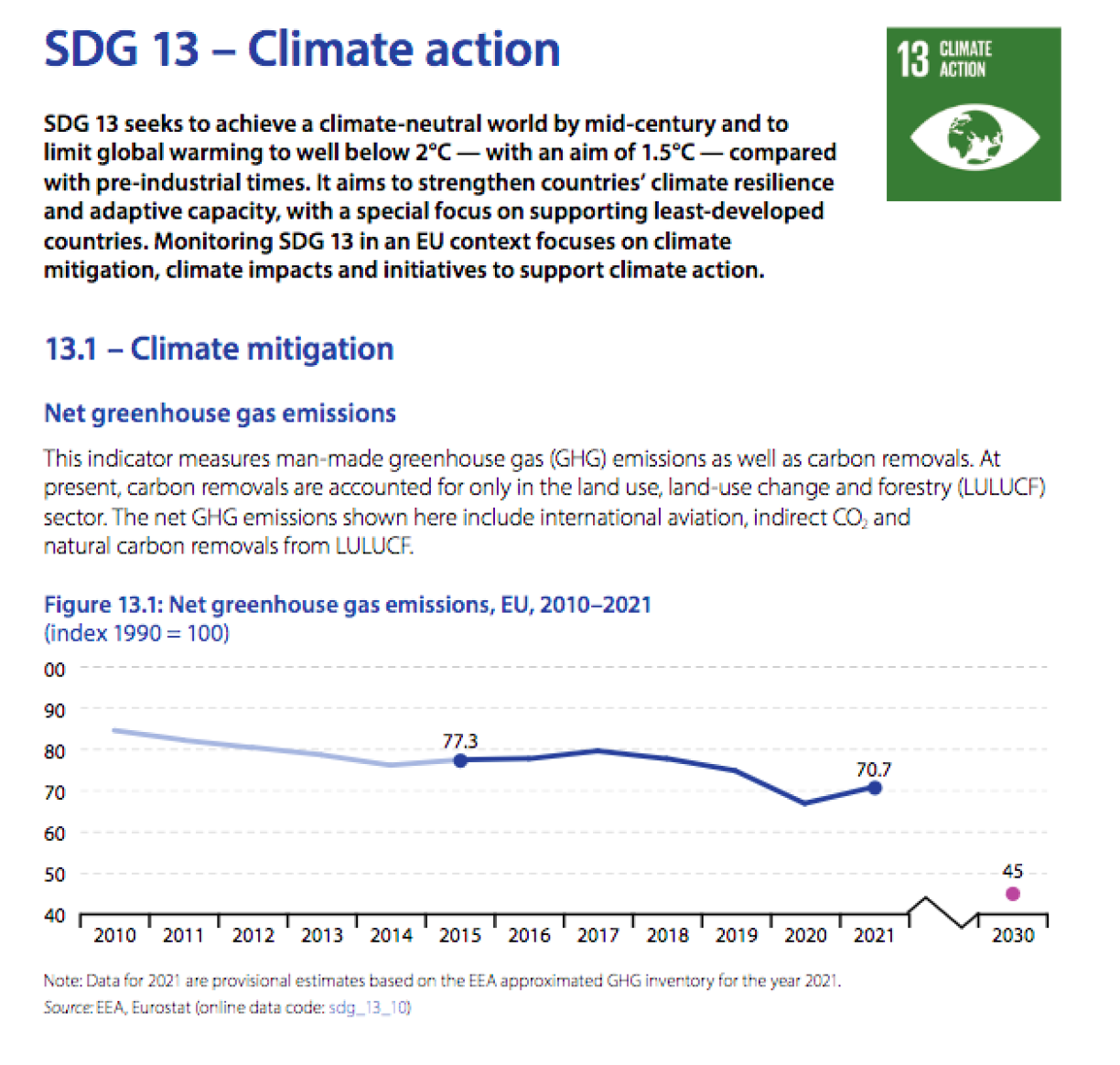
Eurostat's survey on 'Goal 13' of the Sustainable Development Goals focuses on EU's climate targets towards a carbon-neutral future.
The Sustainable Development Goal (SDG) 'Climate Action' refers to Goal 13 of the 17 Sustainable Development Goals established by the United Nations in 2015.
Goal 13 specifically focuses on taking urgent action to combat climate change and its impacts. It recognizes that climate change is one of the most significant challenges facing humanity and highlights the need for global cooperation and collective efforts to address this issue.
The primary objective of SDG 13 is to strengthen resilience and adaptive capacity to climate-related hazards and natural disasters, as well as to integrate climate change measures into national policies, strategies, and planning. It also emphasizes the importance of raising awareness and enhancing the capacity of countries to effectively respond to climate change.
You can find the full "Sustainable development in the European Union" document here.
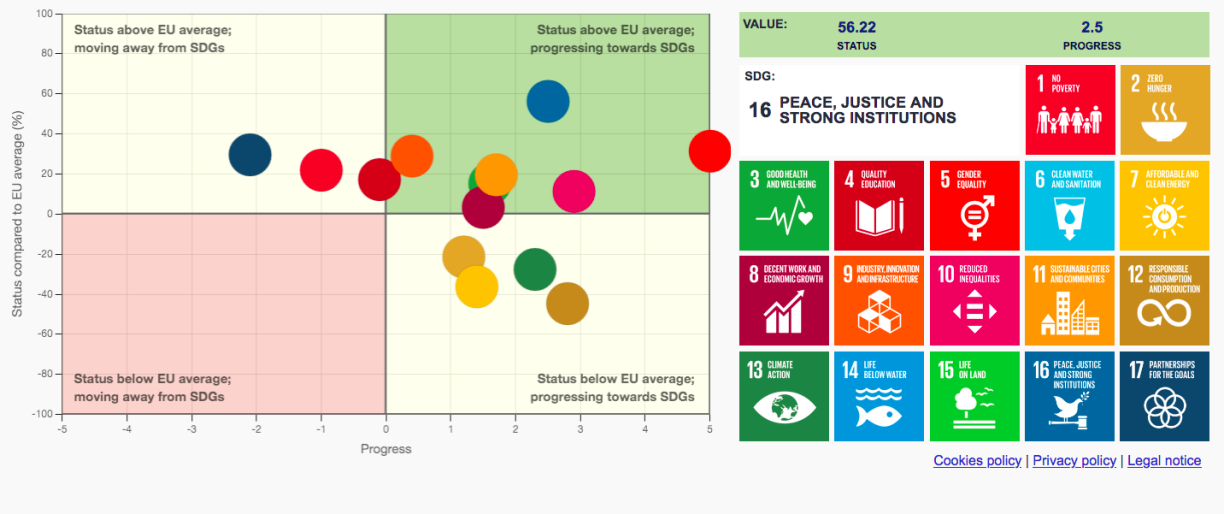
The interactive chart provided allows you to select European Union (EU) countries and evaluate their performance in relation to the Sustainable Development Goals (SDGs).
You can compare the position of Luxembourg in comparison to the EU average across various categories. This is indicated through the use of different colors, which show whether Luxembourg is performing above or below the EU average in each respective category.
In terms of 'Climate Action', Luxembourg's performance indicates that it is currently below the EU average, meaning Luxembourg still has room for improvement in its efforts to combat climate change and its impacts.
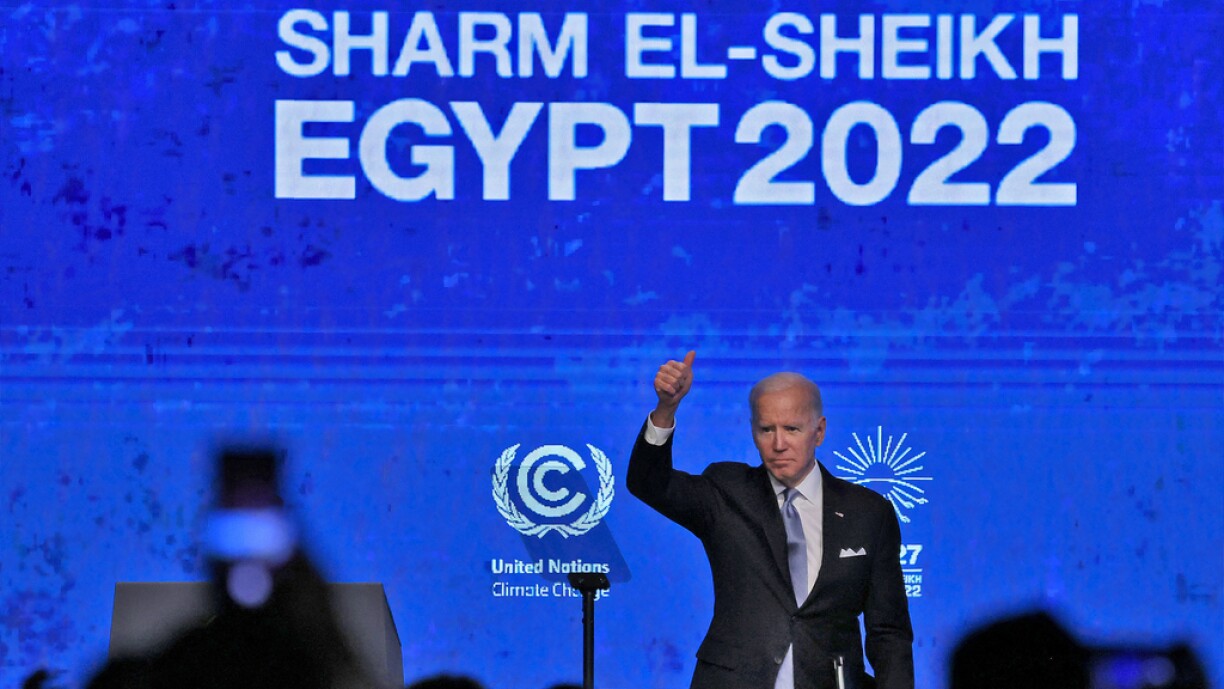
In November 2022, nearly 200 nations gathered in Egypt with one common goal: holding the rise in temperatures to 1.5C (2.7 degrees Fahrenheit).
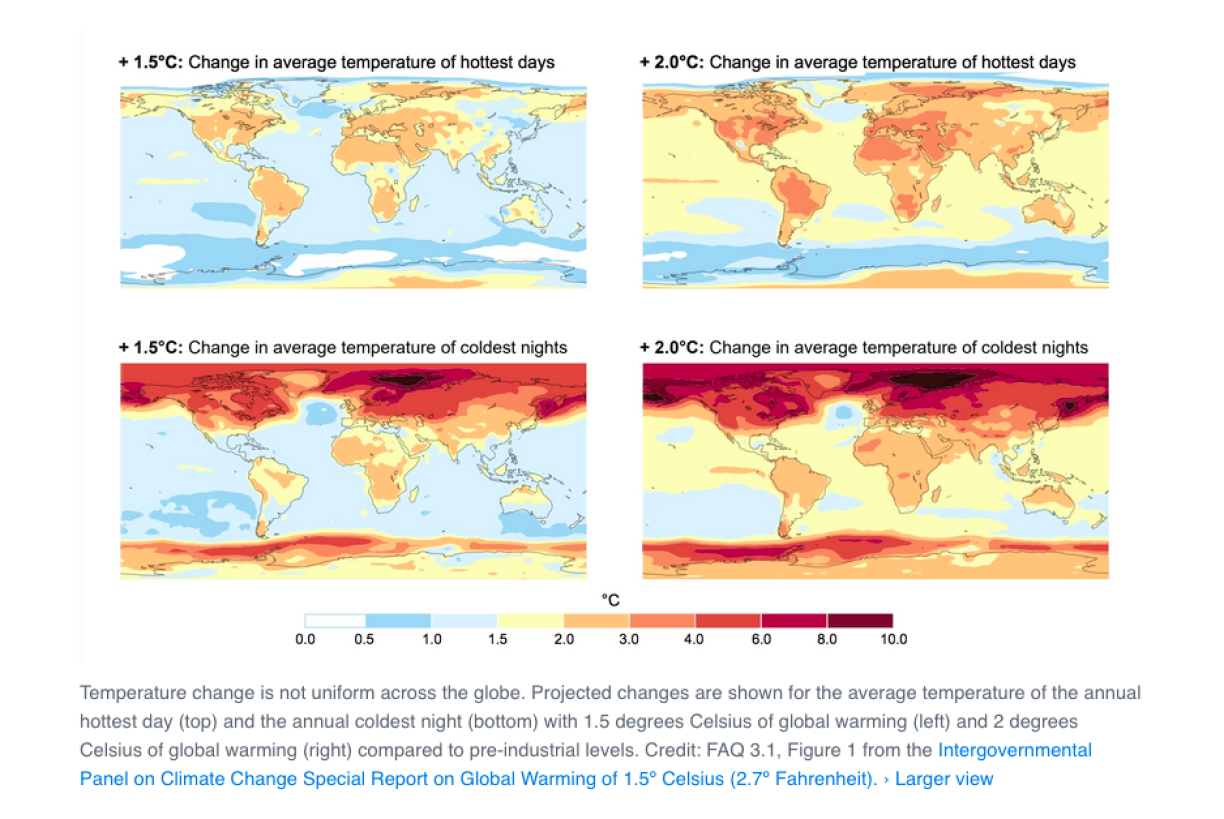
The year 2022 was the fifth or sixth warmest ever recorded despite the impact since 2020 of La Nina -- a periodic and naturally occurring phenomenon in the Pacific that cools the atmosphere.
"All over our planet, records are being shattered as different parts of the climate system begin to break down."
Greenhouse gases accounting for more than 95 percent of warming are all at record levels, with methane showing the largest one-year jump ever recorded, the WMO's annual State of the Global Climate found.
The increase in methane emissions has been traced to leaks in natural gas production and a rise in beef consumption.
In 2022, a cascade of extreme weather exacerbated by climate change devastated communities across the globe.