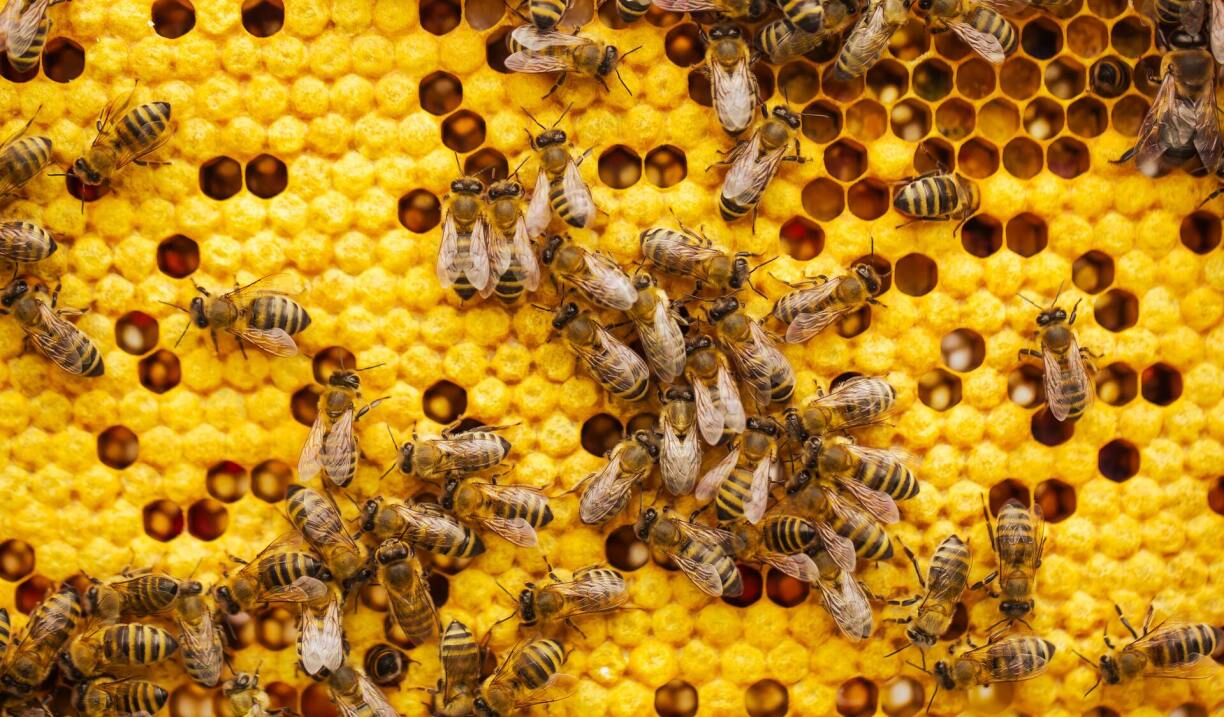
While not everyone is crazy about bees, just like many other pollinators (like butterflies), bees play an influential role in ecosystems around the world. Every plant, flower, fruit and vegetable owes its existence to a pollinator (likely a bee).
We here at RTL Today want today to be all about the fuzzy little friends that flock to our flower beds! We've gathered oodles of information about bees so whether you are bee-crazy or just looking to learn more about our pollinator pals, we've got you covered!
There are many things we can do to help-out our bee buddies!
Found a bee that looks like it's struggling? No problem! You can gently move the bee to a bee-friendly flower or to a shaded place. You can also offer the bee an energising snack in the form of a equal-parts white sugar and water mixture. Offer the bee a drop or two and it will quickly get back to its busy business!
Note: You should never give a bee honey. Honey contains pathogens which may be toxic to bees not from the honey's origin hive.
Want to encourage and nurture your local bee population? Planting flowers and other plants that are native to your area will keep the locals happy and returning again and again. Even better, let the weeds in your yard flower before you pull them. Mmm, a perfect bee buffet!
While pesticides are arguably an effective way to remove pests from your garden, unfortunately, pesticides don't differentiate between beneficial and harmful insects. This means that the pesticides used on your garden not only kill beneficial bugs like bees and other pollinators, but they taint the area, preventing future critters from coming back.
If you're looking for a more bee-friendly option, try a mixture of white vinegar, salt and liquid dish soap to keep weeds away.
Wanna learn more ways to help encourage biodiversity and pollinator visits to your garden? Check out this Luxembourg Insider article about supporting local biodiversity!
Want to learn more about the bees that call Luxembourg city home? The Ville de Luxembourg has created a bee walking trail, so visitors can experience first-hand the vital role bees and other critters play in a healthy and thriving ecosystem.
The trail Beien an der Stad winds its way through the capital to 14 information points along a 2,5 kilometer path. Each stop on the route is available in English, French and German, so everyone can bumble around together!
You can download a free trail map and/or the information that will be found at each information point here.





