There are so many negative headlines about the environment: climate catastrophe, biodiversity loss, pollution… Is there even any point to it all any longer?
But wait, there are positive examples too. Instances where science, society and politics have come together to make a difference. In this new episode of "Ziel mir keng!", the science.lu team from the Luxembourg National Research Fund (FNR) presents five positive news stories from the world of environmental conservation.
Historically, the European beaver was common throughout Europe, but by the mid-19th century it had been driven to the brink of extinction, largely due to overhunting.
This was bad news because beavers play an important role in the ecosystem. They build dams, dig canals, and fell trees. In doing so, they create a whole host of new habitats for amphibians, insects and birds, among others. They also help landscapes retain water more effectively and provide protection against flooding. And in the end, humans benefit too.
The beaver became a protected species in Europe under the 1979 Bern Convention. Subsequently, a number of countries implemented additional measures, which included reintroducing the animal in several areas. This proved highly successful, and the European beaver was able to spread across Europe once again.
By the early 2000s, it had also found its way back to Luxembourg. A report from the Environment Agency and the Natural History Museum noted that 80 populations had re-established themselves in Luxembourg by the winter of 2022. Since 2009, the animal has enjoyed fully protected status in Luxembourg.
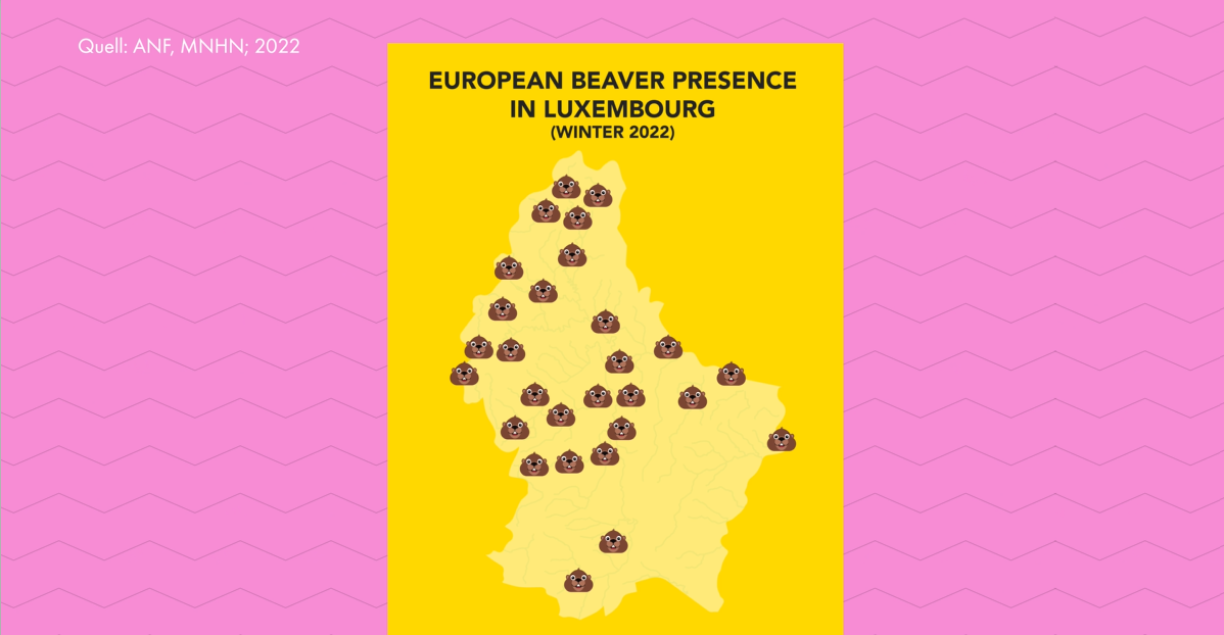
The comeback of the beaver shows that locally extinct species can re-establish themselves under the right conditions.
Another interesting example of an animal that has returned to Luxembourg is, for instance, the wolf.
Let’s move on to the second positive news story:
So-called acid rain is mainly caused by sulphur dioxide and nitrogen oxide emissions from industry, power stations and traffic. These gases spread through the atmosphere where, upon contact with water, they turn into acids. They then fall back down to Earth as rain – hence the name "acid rain".
Acid rain puts a strain on forests, bodies of water and soils, and weakens entire ecosystems, partly by stripping plants and soils of vital nutrients.
But, fortunately, action was taken. From the 1980s onwards, stricter emission limits were gradually introduced across Europe, alongside technical innovations like the desulphurisation of exhaust gases in power stations. As a result, sulphur dioxide and nitrogen oxide emissions dropped significantly in many countries.
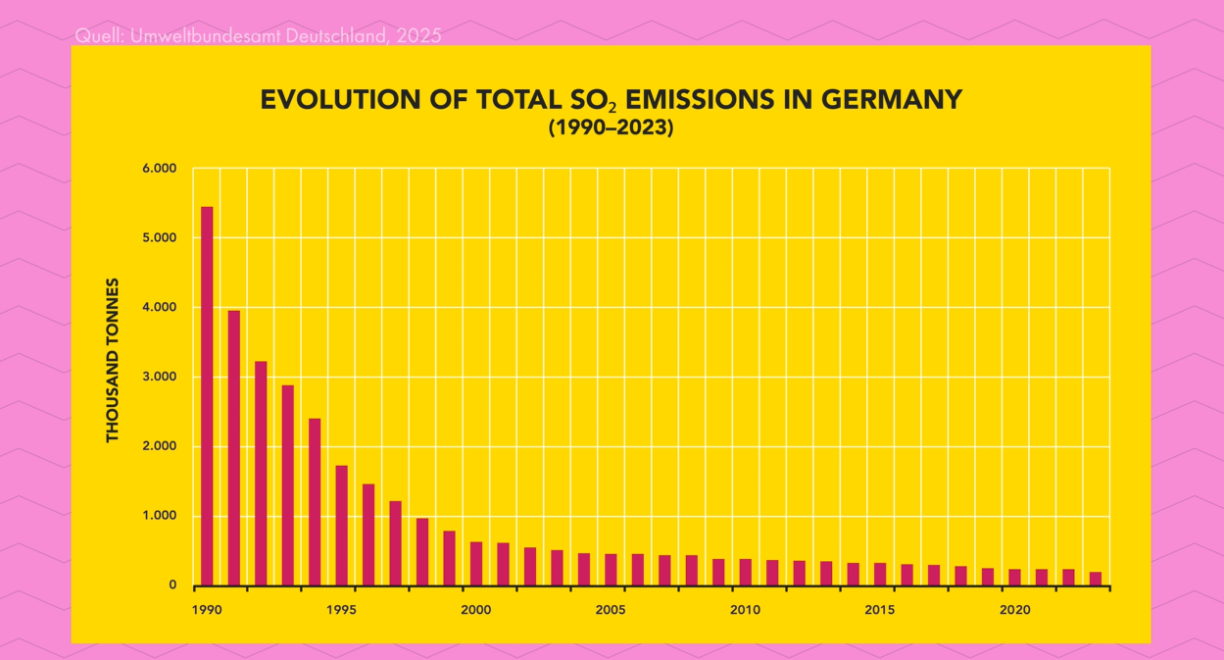
This is a great example of how coordinated action between science and policymakers across many countries can have a positive impact. Nowadays, acid rain is scarcely a threat to the health of our forests, for example.
Check out the "Ziel mir keng!" episode on the state of our forests for more information on this topic.
On the other hand, our ecosystems are still grappling with a number of issues, particularly climate change.
We are currently dealing with a full-blown climate crisis. In order to slow down climate change, we urgently need to emit much less CO₂. But unfortunately, the opposite is happening. Global CO₂ emissions keep rising year after year – especially in Asia, and particularly in China and India.
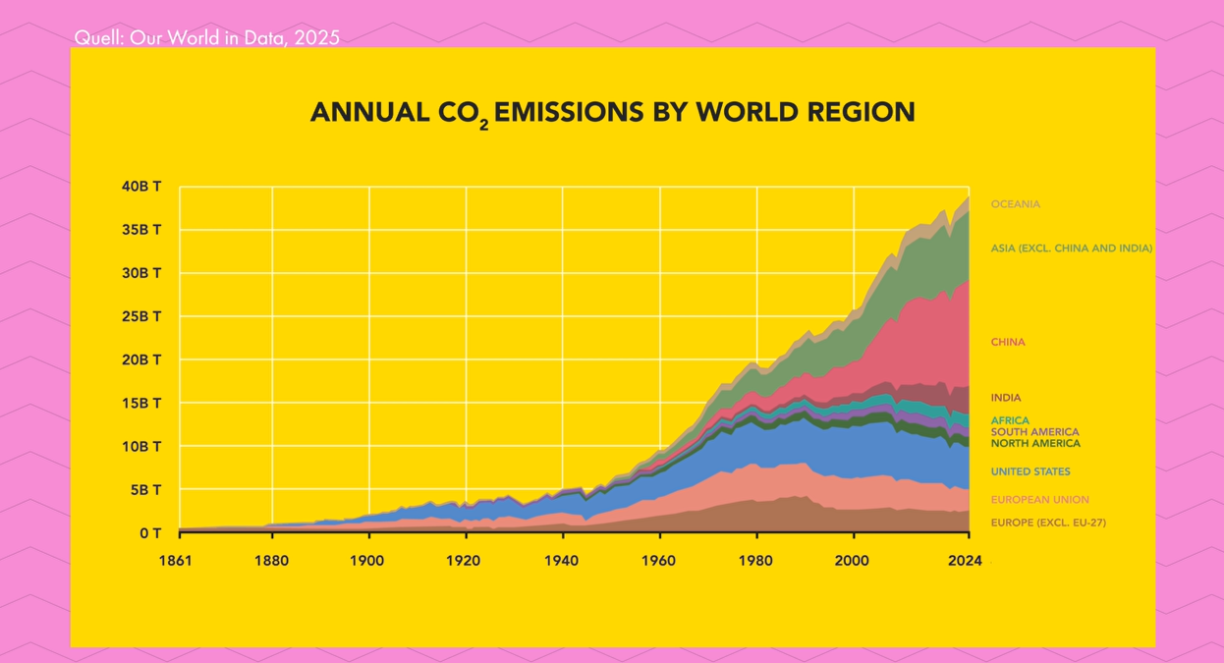
Partly, this is down to the fact that our planet's population keeps growing. Take a look at the graph showing global population growth alongside worldwide CO₂ emissions:
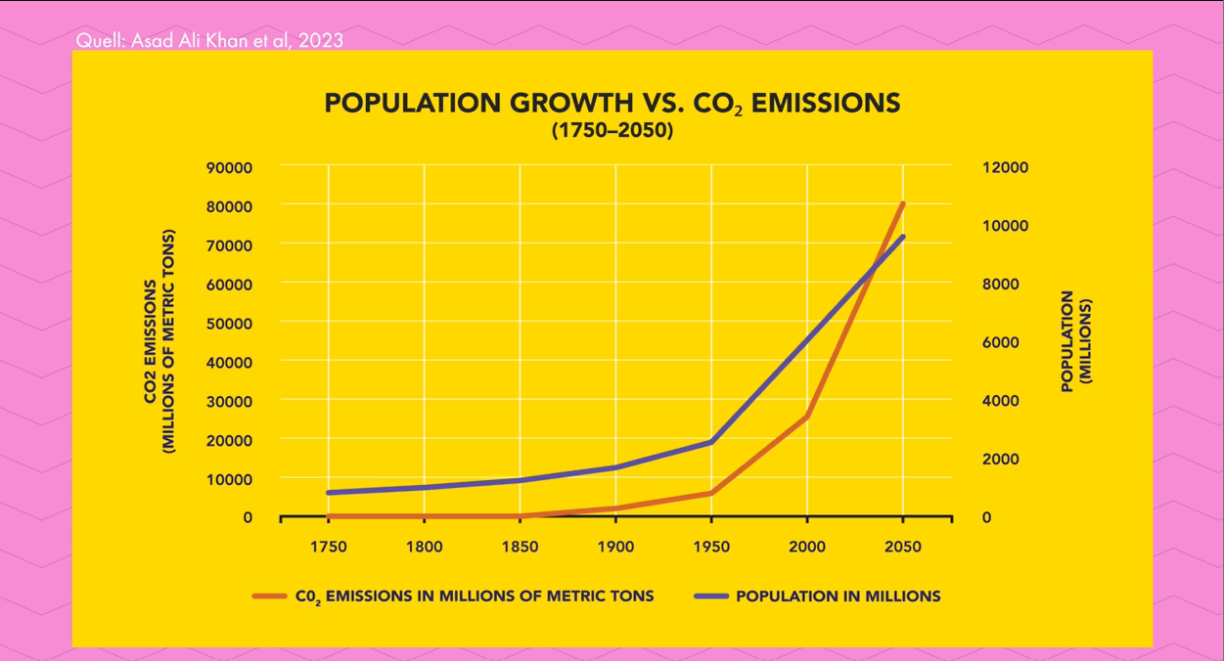
But it's also down to increased prosperity. Below, you can see how global economic growth tracks with CO₂ emissions. The wealthier people become, the more they consume, the more energy they use, and the more they travel.…
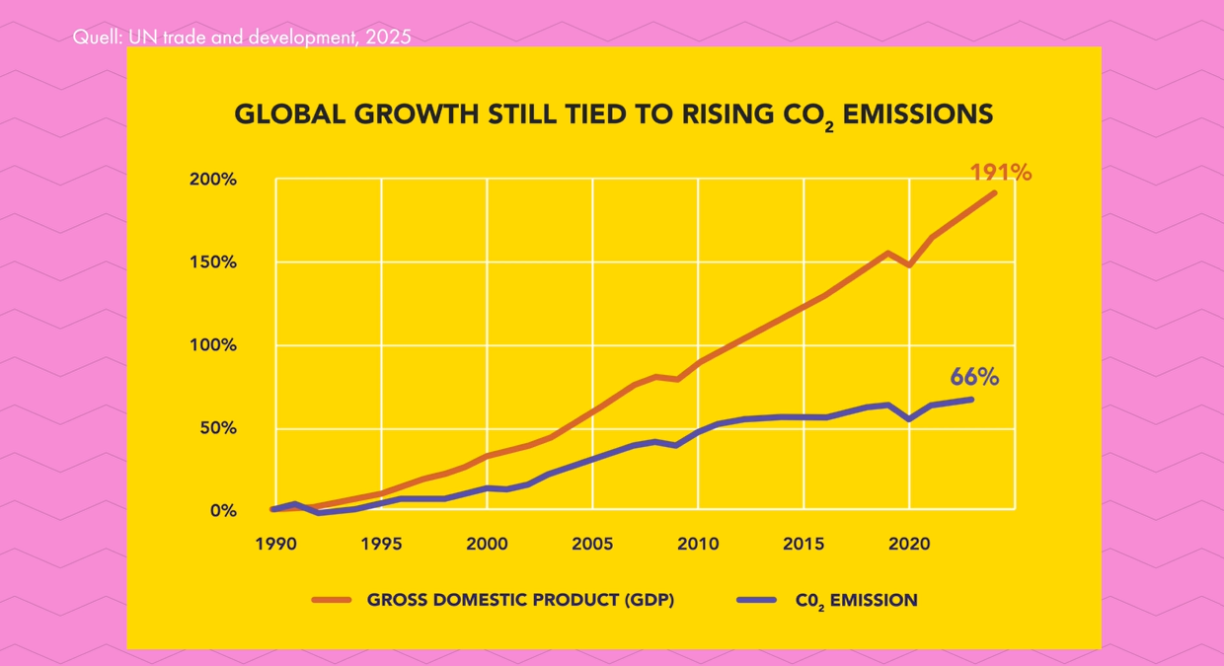
So, we're faced with a dilemma. The fight against poverty is a major UN Sustainable Development Goal. At the end of the day, we want to improve people's living standards and, for example, lift many more out of poverty in Africa.
But if population and economic growth only lead to more energy use and higher CO₂ emissions, then we're stuffed!
But there is hope here as well.
During that same period, the EU's population grew from about 420 million to roughly 448 million people.
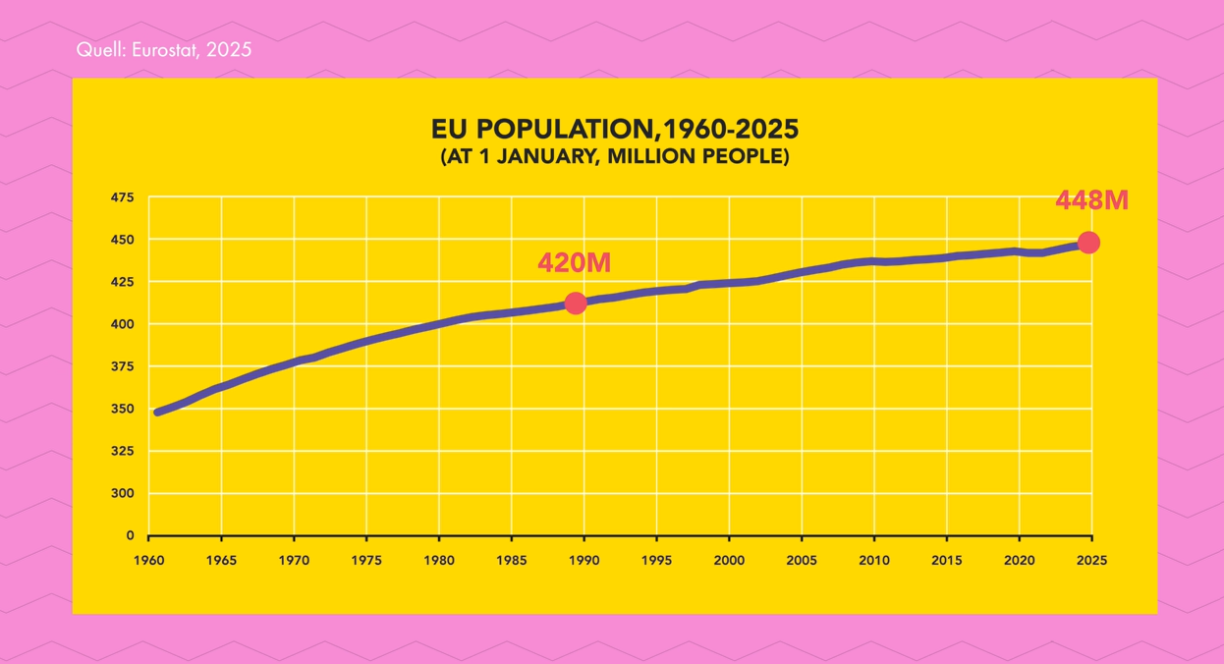
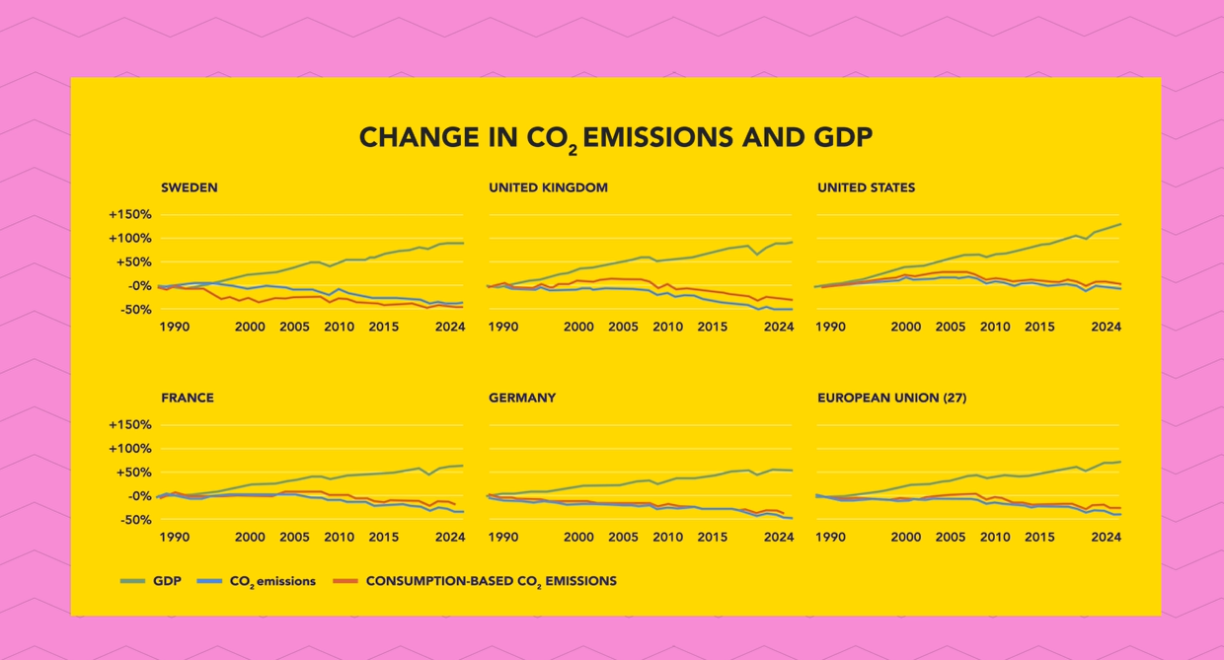
And there was economic growth of approx. 70%. And yet, CO₂ emissions went down.
Across the whole of the EU, as mentioned, by 35%. This drop can be seen in almost all European countries. And even in the United States, despite strong economic growth, CO₂ emissions have at least stopped rising.
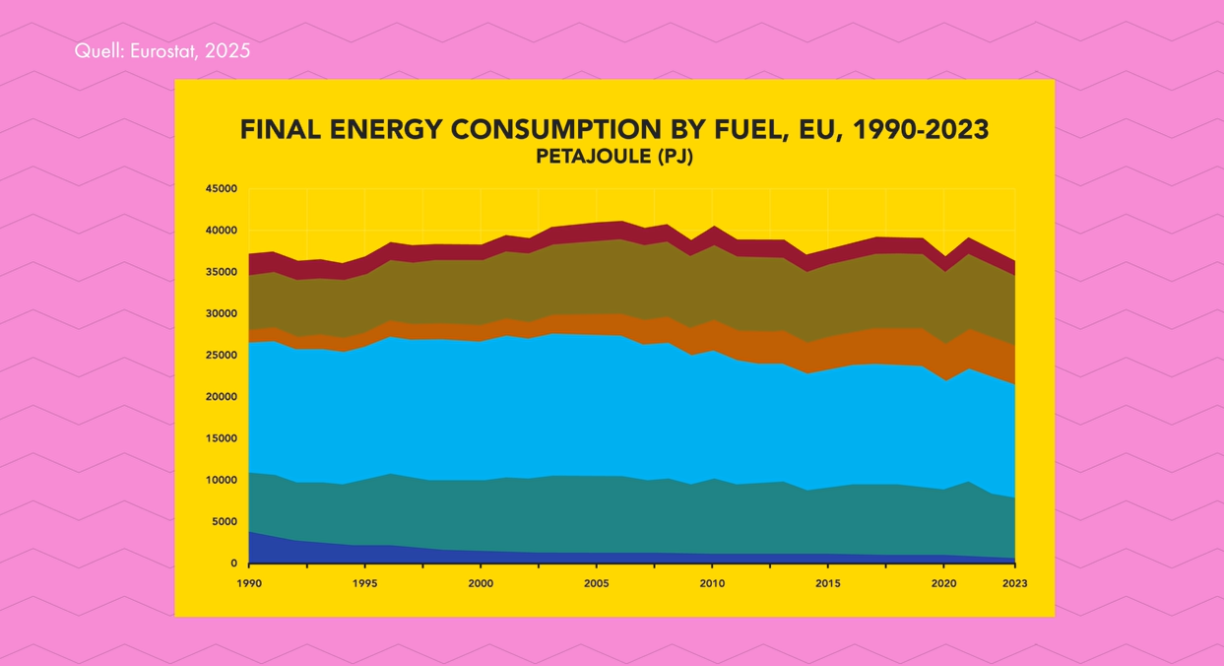
How is that possible? Among other things, this is down to increasing energy efficiency – in other words, better technology. In the EU, final energy consumption has been falling since 2006, despite economic and population growth.
Furthermore, the share of renewable energy in power generation is steadily increasing. That means we can produce energy with fewer and fewer CO₂ emissions. In Europe, for example, a full 46.9% of electricity came from renewable energy sources in 2024.
For a long time, economic growth was seen as a direct driver of higher CO₂ emissions. But in a number of technologically advanced and wealthy countries, that link now appears to have been broken – thanks to new technologies.
This example gives us hope not to throw in the towel just yet. That said, the challenge of climate change remains enormous.
Let’s move on to the next positive news story!
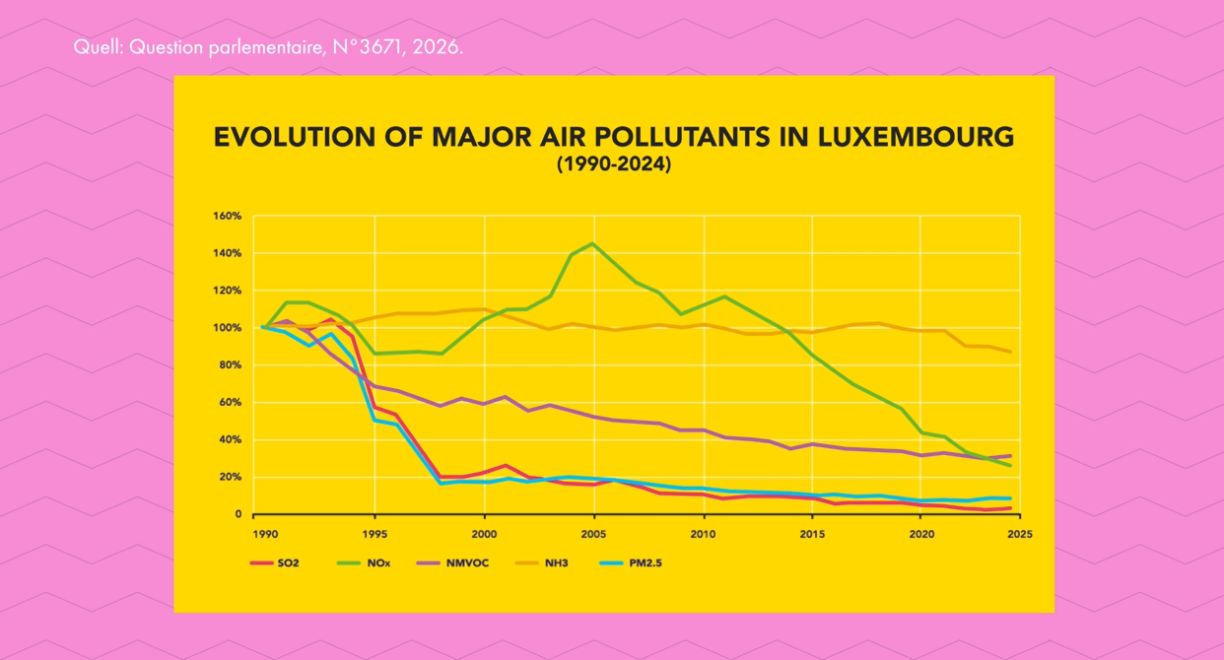
This improvement is thanks to emission limits introduced over the years, as well as technologies: catalytic converters, particulate filters, cleaner fuels, and industrial filtration.
This is important for our health because particulate matter and the like directly affect our airways and cardiovascular system. It isn't perfect everywhere – especially along busy roads – but the overall trend is heading in the right direction. Many traditional air pollutants have fallen significantly, both in Europe and here in Luxembourg.
And now for the final positive news story for today:
The recovery of the ozone layer is probably one of the best examples showing that we can put things right!
But first things first: why is the ozone layer even important? Think of it like a protective shield. It absorbs a large proportion of the sun’s dangerous ultraviolet radiation. When this layer gets thinner, the risk of skin cancer and eye conditions increases. Ecosystems and crops also suffer from excessive UV radiation.
The cause of the ozone hole dates back decades. Since the 1970s, industrial chemicals like chlorofluorocarbons (CFCs) have been entering the atmosphere. When exposed to UV light, they released chlorine – a substance that destroys ozone molecules. In 1985, researchers finally discovered the massive ozone hole over Antarctica.
But fortunately the response was remarkable. Politicians, scientists and society worked together. In 1987, the Montreal Protocol was adopted – a global agreement to ban ozone-depleting substances. Since then, over 99% of these substances have been phased out.
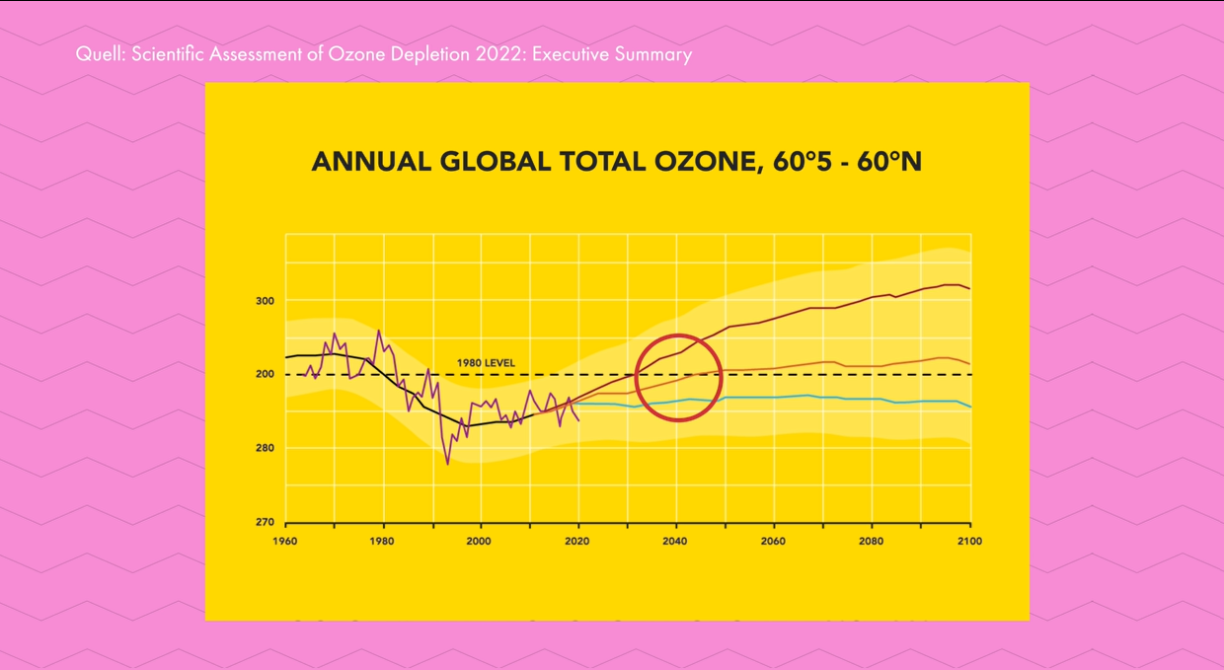
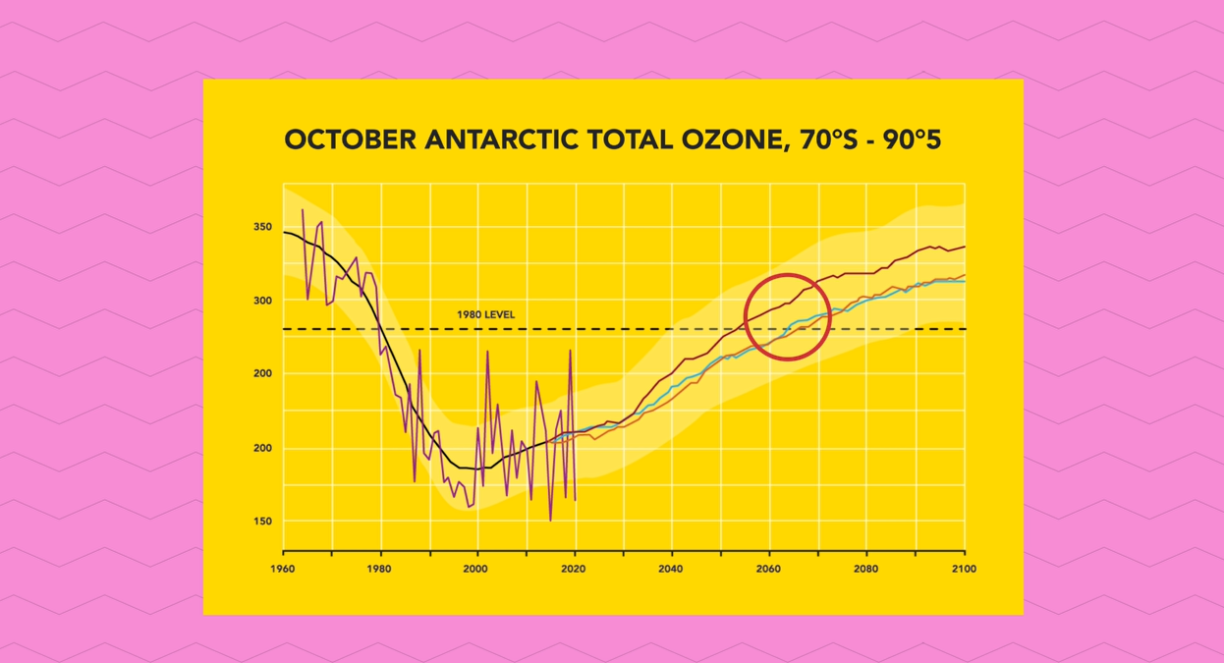
Today, the success is evident. According to recent reports from the World Meteorological Organisation, the recovery of the ozone layer is clearly measurable and is proceeding as planned.
For most regions of the world, pre-1980s levels are expected to return by around 2040. Over Antarctica, however, it could take until roughly 2066 – provided, of course, that no new CFCs are pumped into the atmosphere.
The world isn't perfect. And there are plenty of challenges. But there are also things that are working. When science, society, and politics are on the same page, problems are recognised and solutions are implemented regionally or globally, progress is possible. So, despite all the negative headlines and challenges, it is also worth taking a look at what is working well.
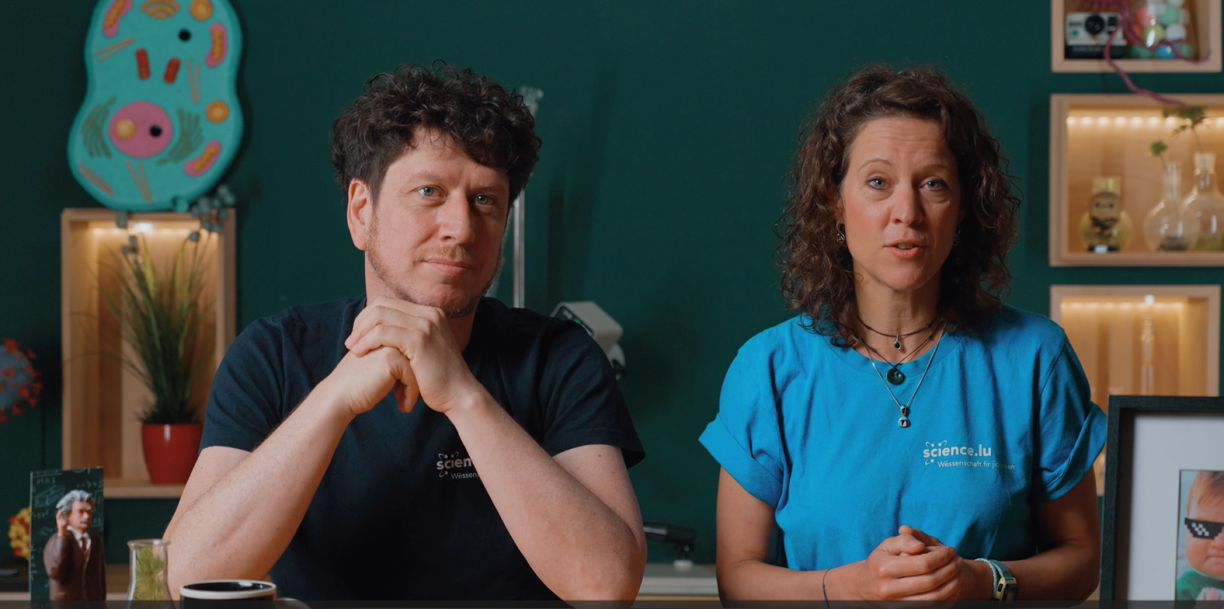
This episode was presented by Jean-Paul Bertemes (left) and Michèle Weber (right), Science Communicators in the science.lu team at the Luxembourg National Research Fund (FNR).
Author: Jean-Paul Bertemes (FNR)
Editor: Michèle Weber, PhD (FNR)
Translation: Tom Weber
Video Direction & Cut: Dominique Weber (SKIN)
Camera: Constantino Danopoulos (SKIN)
Teleprompter: Max Stoltz (SKIN)
Illustrations : George Dos Santos, Noémie Brück, Anton Stepine (SKIN)





