Scientists are concerned that the coronavirus variant first detected in South Africa appears capable of eluding some of the current vaccines and treatments, which are considered crucial to ending a pandemic that has killed close to 2.2 million people worldwide.
The European Union's Amsterdam-based medical regulator was due to hold a press conference at 4.30pm after a meeting of experts that approved the AstraZeneca shots, as frustration and pressure grow over its stumbling start to the inoculation campaign.
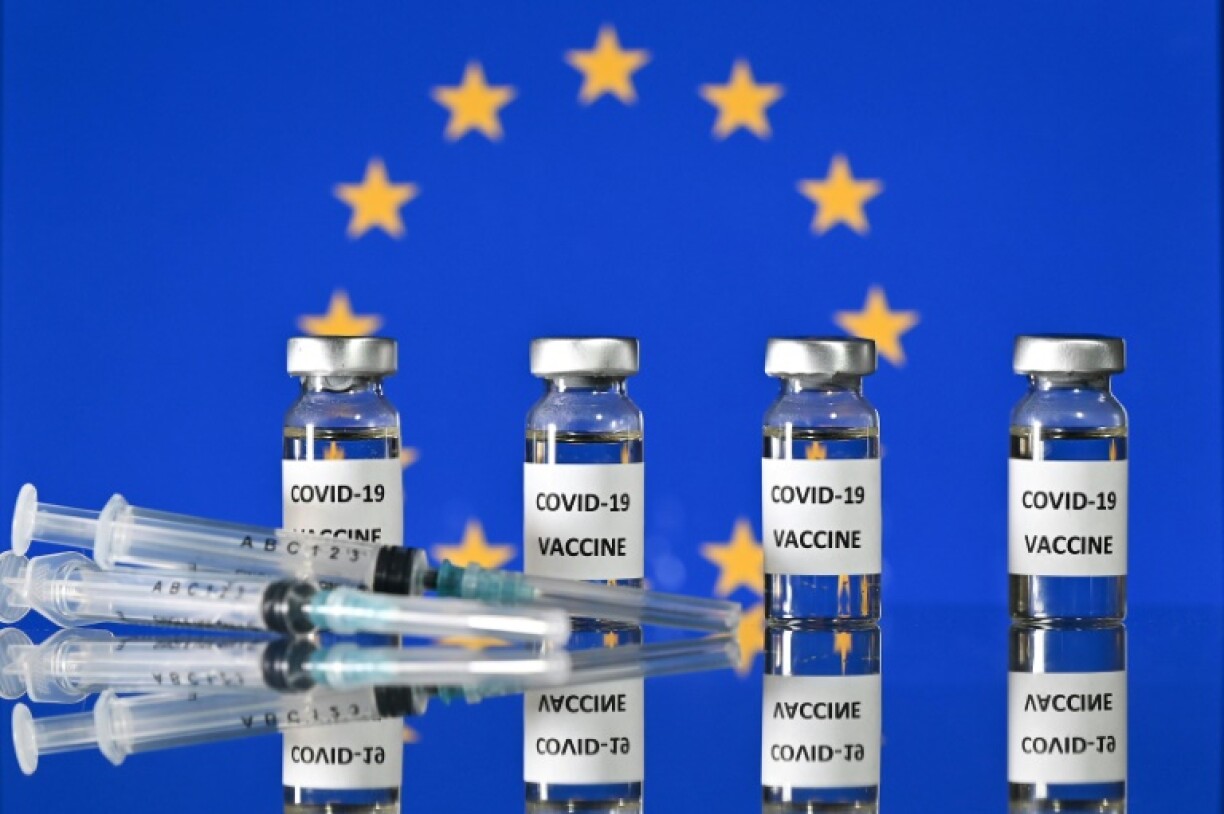
The approval by the European Medicines Agency covers the 27 EU member states as well as Iceland, Liechtenstein and Norway, which are part of the European Economic Area. The EMA has already approved the Pfizer-BioNTech and Moderna vaccines.
“With this third positive opinion, we have further expanded the arsenal of vaccines available to EU and EEA member states to combat the pandemic and protect their citizens,” said Emer Cooke, Executive Director of EMA. “As in previous cases, the CHMP has rigorously evaluated this vaccine, and the scientific basis of our work underpins our firm commitment to safeguard the health of EU citizens.”
Combined results from 4 clinical trials in the United Kingdom, Brazil and South Africa showed that COVID-19 Vaccine AstraZeneca was safe and effective at preventing COVID-19 in people from 18 years of age. The second dose should be given between 4 and 12 weeks after the first, the Agency concluded.
Studies showed a 59.5% reduction in the number of symptomatic COVID-19 cases in people given the vaccine.
Most of the participants in these studies were between 18 and 55 years old. There are not yet enough results in older participants (over 55 years old) to provide a figure for how well the vaccine will work in this group. However, protection is expected, given that an immune response is seen in this age group and based on experience with other vaccines; as there is reliable information on safety in this population, EMA’s scientific experts considered that the vaccine can be used in older adults. More information is expected from ongoing studies, which include a higher proportion of elderly participants.
Casting a shadow over the EMA meeting is the bitter row over the supply of AstraZeneca doses between the EU and Britain, with the firm saying there is not enough to go around as production issues have slowed promised deliveries.
The EU has demanded the company meet its prior commitments, and on Friday the bloc published a redacted copy of its contract with the drugs giant. According to German broadcaster ZDF, AstraZeneca committed to delivering 30-40 million doses by the end of 2020, and 80-100 million doses in the first quarter of 2021.
Britain has one of the highest Covid-19 death tolls in the world, and is trying to accelerate vaccinations to stop an overwhelming surge in infections.
The disease has seriously impacted not only the physical but also the mental well-being of many patients.
"It's a fear because you have to be isolated, you feel like you've just vanished," said Justin Fleming, a 47-year-old recovering from Covid-19 in a busy London hospital ward.
"I thought I might not see my partner again, my mum, be a dead friend, be just a stat."
Infections have soared past 101 million worldwide, and despite the rollout of vaccines, the fight has been further complicated by the emergence of more contagious variants.
American biotech firm Novavax said Thursday its two-shot vaccine showed an overall efficacy of 89.3 percent in a major Phase 3 clinical trial in Britain, and was highly effective against the variant first detected there.
But other results showed it offered significantly less protection against the variant that emerged in South Africa.
Pfizer and Moderna have said their vaccines are effective against the variants.
In further positive news related to the Pfizer-BioNTech inoculation, the EU medicines regulator said Friday its jab has no link to reported post-vaccination deaths and no new side effects.
Until a high level of immunity in populations is achieved, restrictions such as lockdowns remain among the few options available to governments -- but they are deeply unpopular among many.
In Lebanon, crowds gathered outside the homes of some of the country's top politicians on Thursday, torching rubbish and smashing surveillance cameras.
"We want to burn down all their houses the way they burned our hearts," said Omar Qarhani, an unemployed father of six in Tripoli.
The impoverished northern city has seen four days of clashes between security forces and residents outraged by curfew measures they say are destroying their livelihoods.
The coronavirus has hammered economies around the world, and led to demands for explanations of its origins.
World Health Organization experts visited a hospital in the ground-zero Chinese city of Wuhan on Friday, beginning a highly politicised mission to search for clues about the origin of the pandemic.
The probe has been beset by delays with China refusing access until mid-January, while Washington has demanded a "robust and clear" investigation.
But while spreading misery worldwide for months, the pandemic has also produced inspiring stories, including in Bulgaria, where 82-year-old Dr Maria Bogoeva answered the call to help instead of retiring.
"Was I supposed to let people die? The hospital had no other infection disease specialist, and this amid a healthcare crisis," she said.





