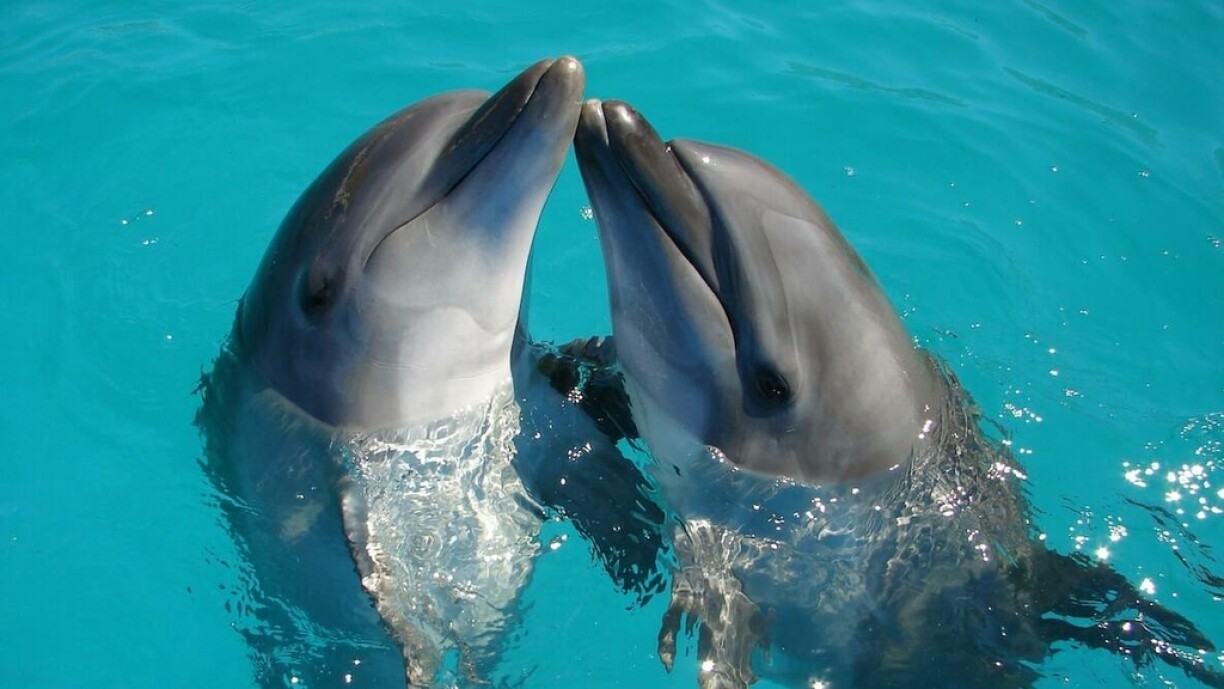
Dolphins have been captivating humans for centuries, and for good reason. These playful mammals have captured our hearts with their acrobatic displays and friendly personalities.
But there's more to these creatures than just their cute faces and entertaining behaviour. Let's dive into some fun facts, but especially the importance of dolphins for biodiversity, as well as the issue of dolphin culling and hunting.
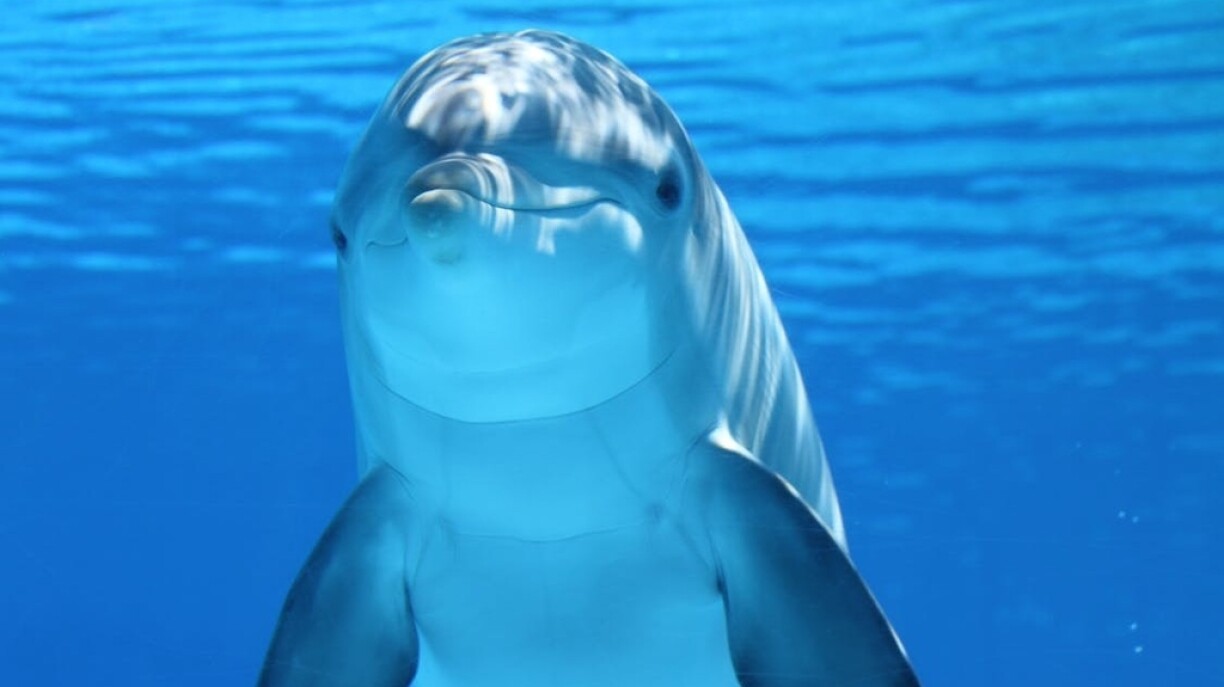
Dolphins have a crucial function in the ocean's ecosystem as they serve as top-level predators, regulating the population of other species. By feeding on fish and squid, they control the growth of these populations and maintain the equilibrium of the ecosystem.
Moreover, dolphins act as a barometer of the ocean's well-being. A reduction in their numbers could signify underlying problems in the ecosystem, such as excessive fishing or pollution.
Unfortunately, dolphins are not always treated with the respect they deserve by humans. Some regions of the world engage in the hunting of dolphins for their meat. One example of such a place is Taiji, a town in Japan where dolphins are either sold to aquariums or slaughtered for consumption.
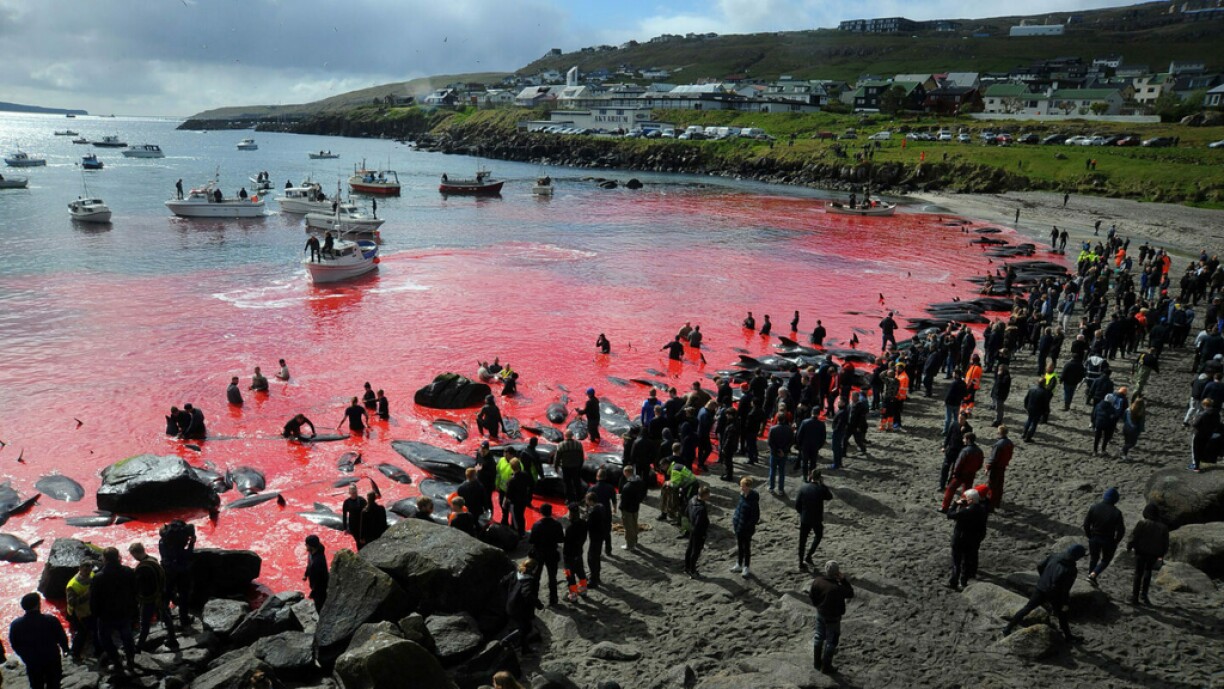
In the Faroe Islands, hundreds of dolphins fall victim to the traditional "grindadrap" every year. This hunt involves fishermen surrounding dolphins or pilot whales with fishing boats, driving them into a shallow bay where they are slaughtered with knives by those on shore.
In July of 2022, following public outrage over the practice, the Faroe Islands provisionally announced that it would limit its controversial dolphin hunt to 500. This move came after the "unusually large catch" of 1,423 white-sided dolphins in September of the previous year.
Another threat to dolphins includes accidental capture in fishing gear. This is also known as ‘bycatch’ – and causes the deaths of "over 300,000 dolphins, porpoises and whales every year" according to WWF.
In March 2023, the highest administrative court in France mandated that the government ban fishing in select areas of the Atlantic Ocean to safeguard dolphins. The ruling came after hundreds of dolphins have been found dead along France's Atlantic coastline since winter (over 910 to date). The court has given the government six months to set up the fishing-free zones and improve the supervision of accidental dolphin captures, which it claimed was still imprecise.
63 year-old Ukrainian scientist Ivan Rusev spoke to AFP about dolphins that have been washing up on the Black Sea coast since the beginning of the war. Much of the coastline has been off-limits to employees of the park since Ukrainian troops took up positions there to prevent any possible Russian sea assault.
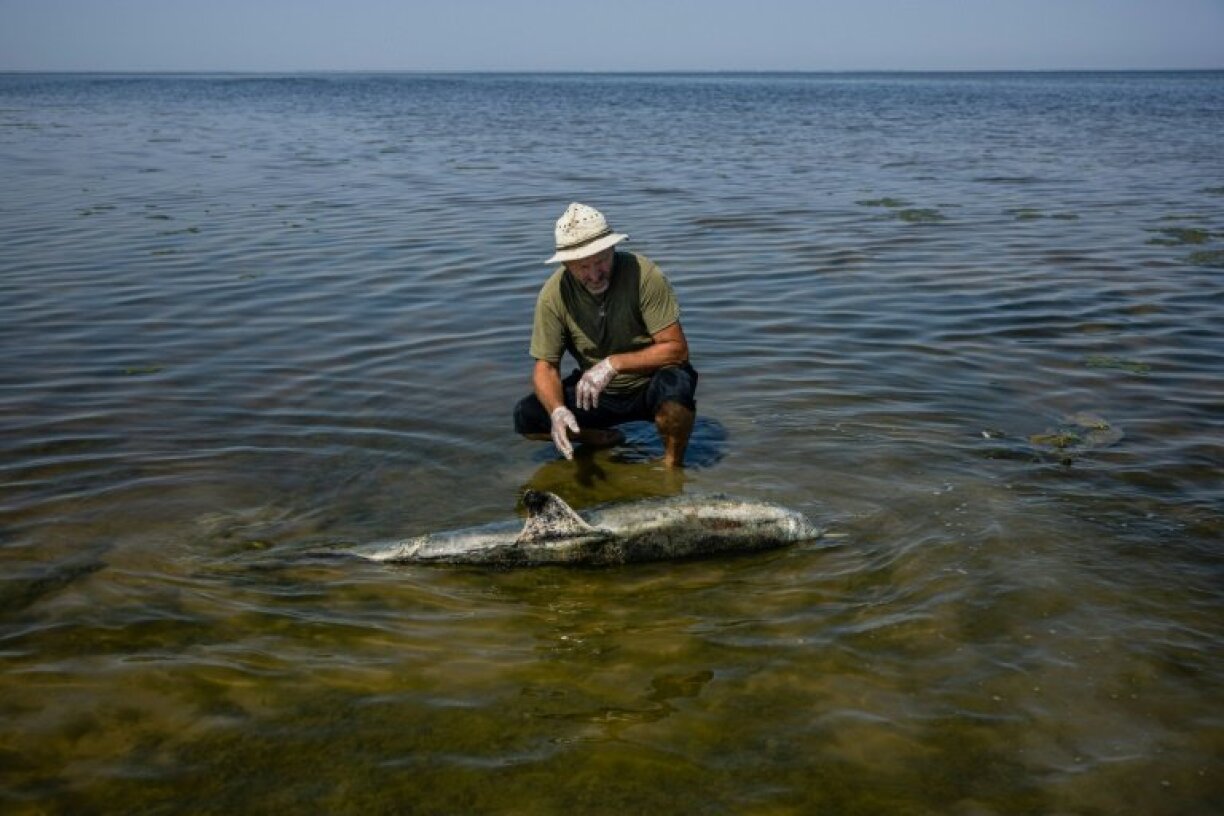
In March, the Turkish Marine Research Foundation (TUDAV) issued a warning about an "unusual increase" in deceased dolphins washing up on the coast of the Black Sea. Rusev, an expert in the field, estimated that 5,000 dolphins - or roughly 2 percent of the entire dolphin population in the Black Sea - have been killed. A survey conducted in 2020 estimated that there were approximately 250,000 dolphins remaining.
According to Rusev, the culpable parties for the ongoing massacre are the military sonars employed by Russian warships.
It's clear that dolphins are important members of the ocean's ecosystem and should be protected from harm. This can be done through a variety of means, such as creating marine protected areas where dolphins can live and thrive without interference from humans, enforcing laws against dolphin hunting and culling, and supporting conservation efforts aimed at studying and protecting dolphins.
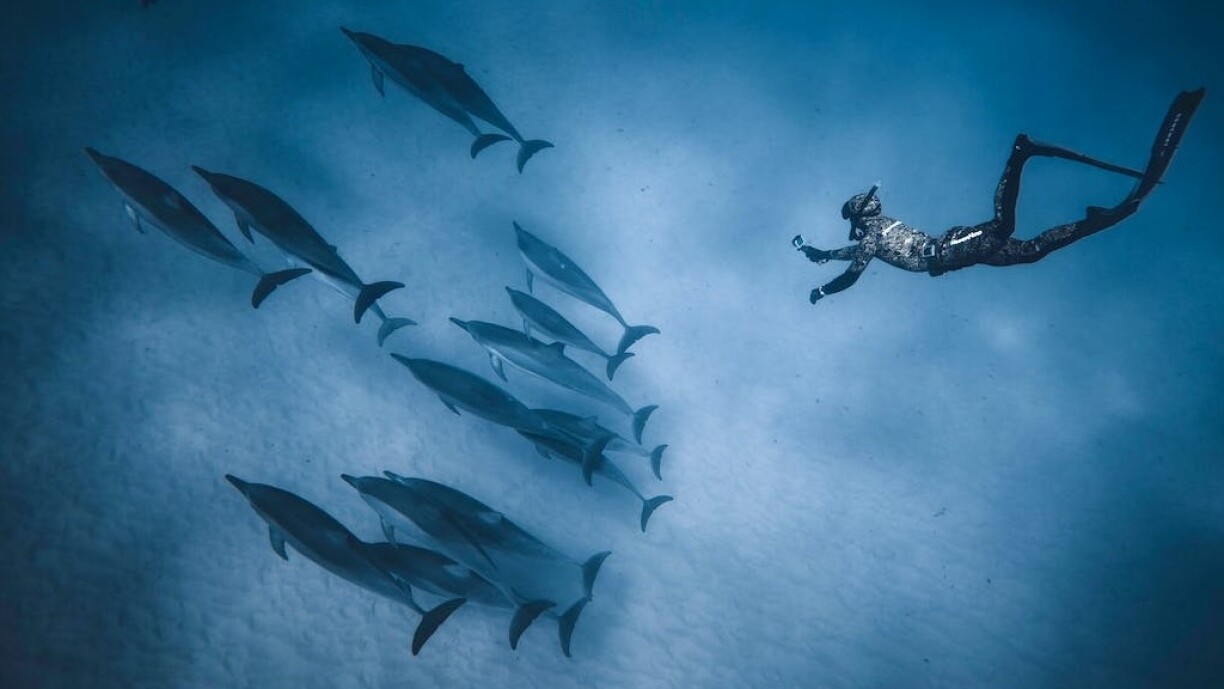
So, as we celebrate International Dolphin Day, let's take a moment to appreciate these amazing animals and the joy they bring to our lives. And let's also remember to support efforts to protect them and their habitats, so future generations can continue to enjoy these beloved creatures.





