
Following on from the first week's article on reducing bathroom waste, the follow-up deep-dive on the same subject, the third instalment in which we took a look at how to reduce waste when it comes to feminine care, and the fourth instalment which brought us into the realm of kitchen waste. The fifth which delved further into food waste, after which we looked into the masses of waste generated over Christmas, before looking at eco-friendly cleaning products.
In this case reducing waste starts as soon as you step outside your door — most people use their car to get to work even though everyone knows that, unless you have an electric car, this is not the most eco-friendly option, only the most convenient. Now that that traffic only seems to get worse in the morning and people have to leave at ridiculous times just to make it on time to work, it might be worth having a look into alternative modes of transportation. If you live close enough to work, you might want to consider walking or riding your bike, this is not only completely emission free but also good for your health. This option is best in summer, when it stays light longer and chances of rain are slimmer.
Bus or train are other typical alternatives, these might sound appalling to you if you are used to being alone in your car but there is no harm in trying them. Unfortunately, depending on where you live this might make the journey longer and more complicated. If you absolutely want to use your car, you can consider carpooling, where several people get to the same destination in one car instead of several. People who live close to you might be willing to form a group and take turns driving to and from work, reducing the number of cars and thus emissions.
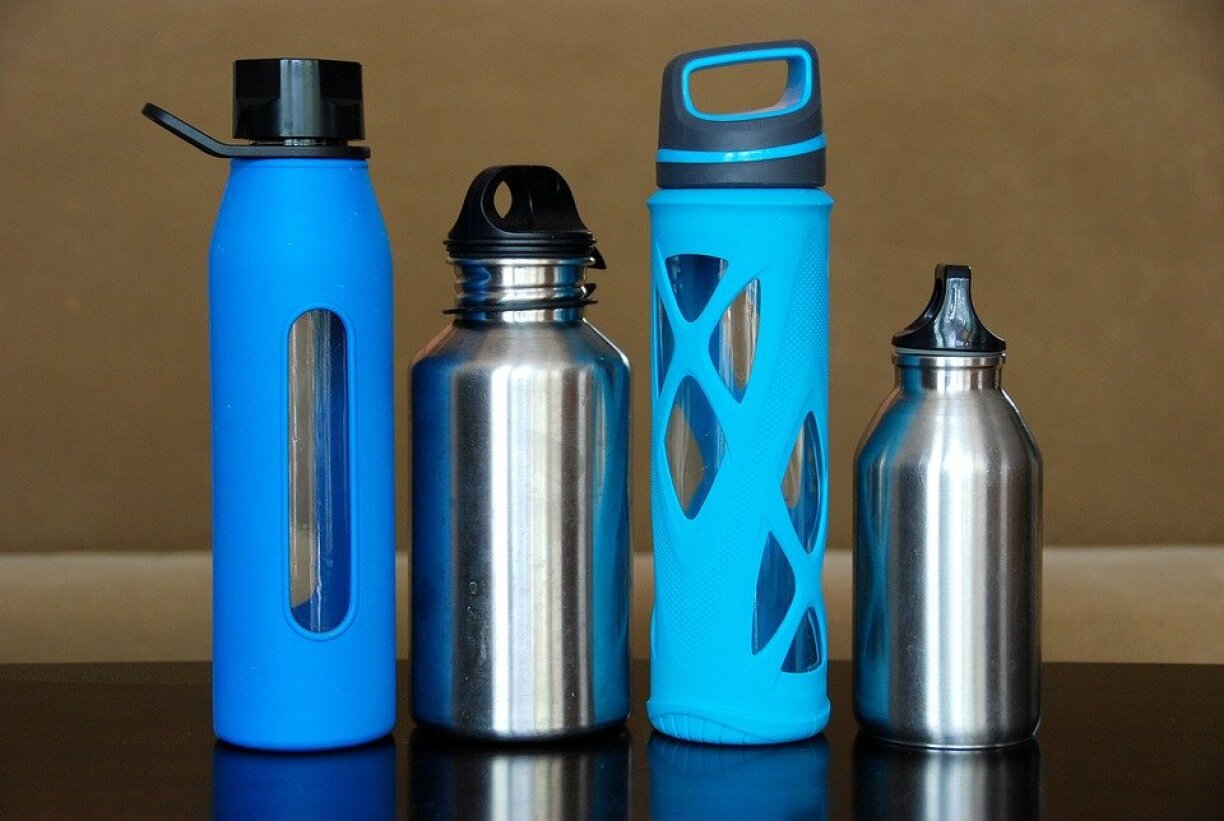
Once you get to the office, you might have the habit of getting a coffee which comes in a disposable plastic or paper cup. This waste can easily be avoided by either leaving some mugs in the office kitchen and reusing them or bringing a reusable coffee cup. Similarly, bring a reusable water bottle to the office instead of a plastic one, or drink out of a normal cup. If you are having breakfast or lunch in your office it is a good idea to bring something from home in reusable containers, as this is not only cheaper but avoids the waste of a bought meal which comes in a lot of packaging. This does not mean that you can never go out to eat or use your canteen, it is just a way of becoming more mindful about the waste you create.
Paper waste is one of the biggest problems in offices. To reduce the amount of paper you use, start by rethinking your printing habits. Chances are that you print out way more than you actually need and a lot of the things you read on paper could just have been read on screen. Similarly you could start using your computer to take notes instead of a notepad or sticky notes, as the latter can often not even be recycled. Paper cannot be completely cut out but definitely reduced and the amount you use should be recycled.
Most offices are full of computers and these are a source of energy waste, as a lot of people simply do not switch them off at the end of the day. It is convenient when your computer is already on, so you can get to work as soon as you arrive at the office but in the end this only saves you a few seconds and there is really no point in it being on for the whole night when no one is using it. Therefore, try to remember to switch it off at the end of the day and put it to sleep mode when leaving your desk, as this also saves energy. The same counts for lights and heating which should be switched off or turned down when no one is in the room.
Reducing waste in the office is harder than at home because it is a big space used by so many people but this should not stop you from trying and doing your part. You might even be able to positively influence other colleagues to do the same.
---
Questions? Comments? Further suggestions for living an eco-friendly lifestyle? Leave a comment below!
New series: We're going to take a look at how you can reduce household waste
Reducing waste: How to cut down on waste and unnecessary disposable products in the bathroom
Personal hygiene - further simple ways to reduce everyday waste
Reducing waste: Third instalment: waste-free feminine care
Fourth instalment: kitchen waste
Fifth instalment: avoiding food waste
Sixth instalment: reducing waste over the Christmas period
Seventh instalment: make your cleaning habits more eco-friendly





