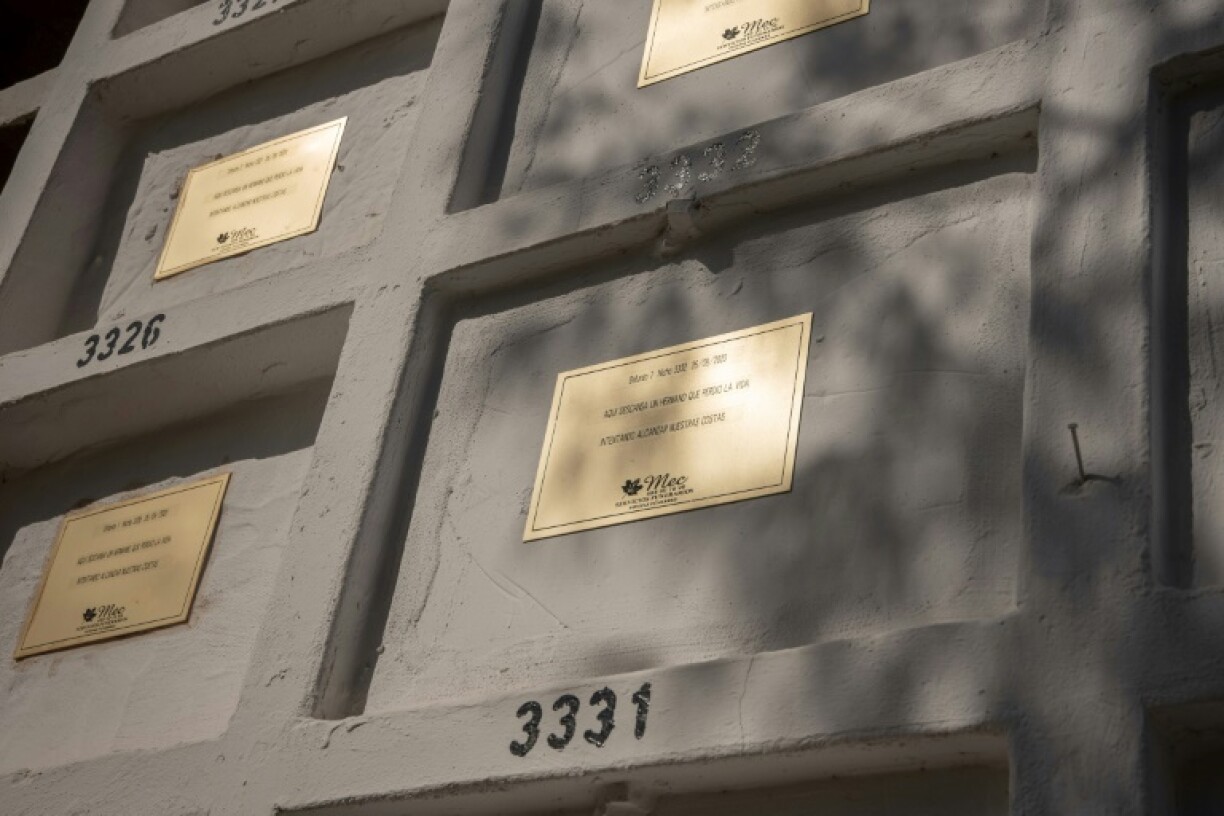
Diane Dhur from Omega 90 and Jean-Jacques Schonckert from the association "Mäi Wëlle, mä Wee" appeared on RTL Radio to encourage more discussion about what happens after a person passes away.
Currently, the process follows a 1913 Luxembourgish law, which does not leave grieving families with much time to digest the death of a loved one, as they face large amounts of paperwork and bureaucratic delays in the immediate days following a person's passing.
The deceased may not be buried or cremated until at least 24 hours after the time of death; however, by law the burial or cremation must take place no later than 72 hours after death. Families may request a five-day extension, but this may not necessarily be granted. Although cremations have to take place within 72 hours, the scattering of ashes can take place at a later date.
Despite the common depiction of urns containing a loved one's ashes sitting on a shelf in a family home, as is often represented in American television or films, this practice is not permitted in Luxembourg. Here, ashes must be interred in a cemetery, or scattered.
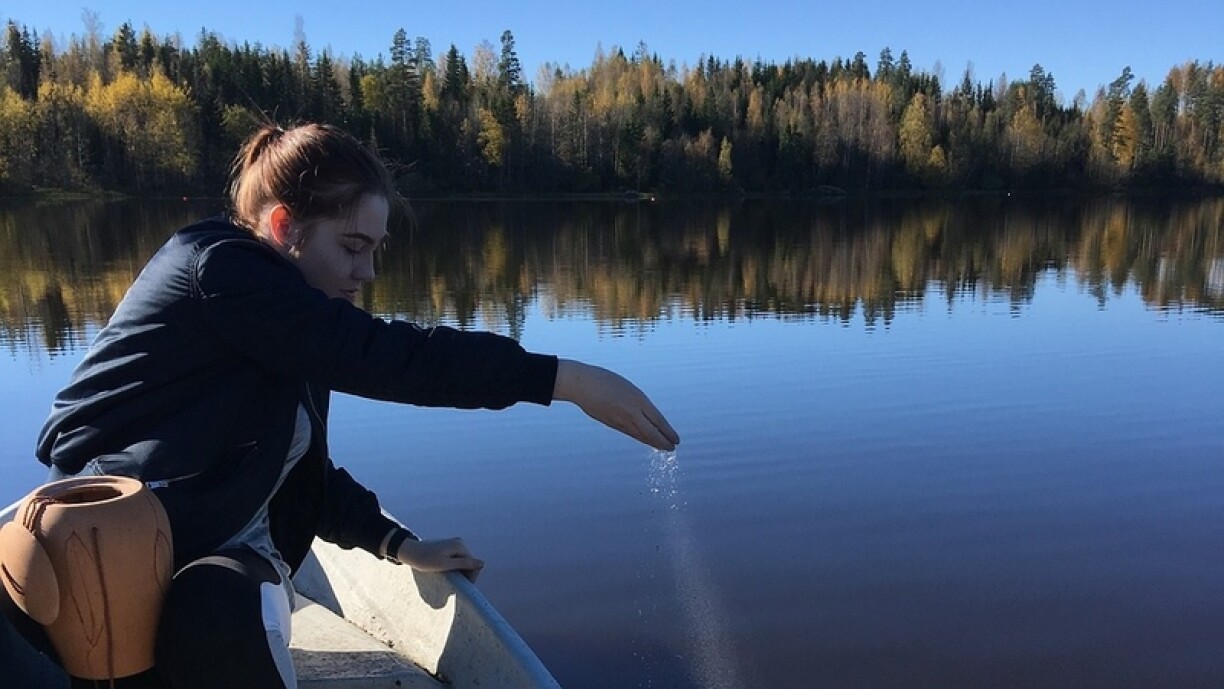
For the latter, there are clear rules in the Grand Duchy. Ashes cannot be scattered in a private garden or somewhere in nature - this can only take place at a dedicated memorial garden, such as the lawns reserved for this purpose at the Hamm cemetery, or in Merl. However, families can request to take the ashes abroad to scatter them in nature elsewhere, depending on other countries' laws.
In the case of pets, this is a different matter entirely, and pet owners are permitted to keep the ashes at home or scatter them where they wish.
Civil, or non-religious, funerals are becoming increasingly popular in Luxembourg. Burials in woodland cemeteries are also more in demand these days, although these also come with a host of conditions.





