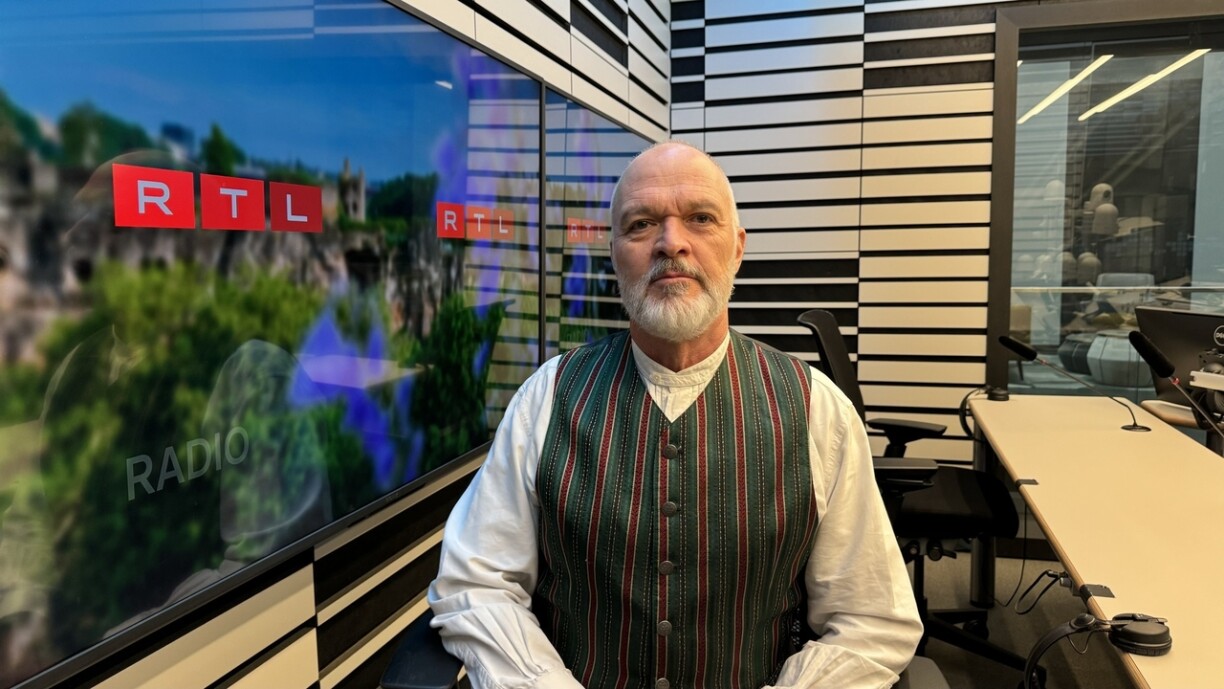
On Wednesday morning, Professor Werner Zollitsch, head of the Centre for Global Change and Sustainability and an expert on sustainability and animal husbandry from the University of Natural Resources and Life Sciences (BOKU) in Vienna, shared insights on the future of agriculture with our colleagues from RTL Radio.
While affirming that meat consumption is acceptable, he stressed the need for significant reduction, advocating for a reduction of at least one-third, ideally by half, and optimally to not exceed one-third of current consumption levels. Additionally, he emphasised the significance of scrutinising the origin of meat and the welfare standards of livestock.
Highlighting the essence of sustainable agriculture, Professor Zollitsch stressed that it extends beyond organic practices, encompassing methods that ensure consumer safety while preserving the environment. He noted that conventional agriculture could also align with sustainability principles, provided it avoids excessive intensity in fertilisation and external feed sources.
Looking ahead, Professor Zollitsch underscored the imperative of transitioning to sustainable agricultural practices to meet global food demands. He stressed the need to reduce land usage and reliance on fossil fuels, citing the current unsustainable exploitation of resources. Professor Zollitsch emphasised that ensuring food security hinges not only on production but also on equitable distribution across populations.
When considering whether to opt for a "conventional" apple from Luxembourg or an organic apple from Germany or France, Professor Zollitsch encourages a nuanced approach. He expands the concept of "regional" beyond national borders to encompass the broader geographical area. However, the Austrian scholar raised concerns about products sourced from distant regions, such as South Tyrol, particularly if they originate from intensive farming practices.
The sustainability expert believes that people growing their own vegetables in gardens or on balconies is "a very good idea," provided of course that they are not exposed to intensive fertilisation. Similarly, he endorses the idea of raising chickens in home gardens under appropriate conditions. Beyond providing fresh produce, Professor Zollitsch argues that these practices offer individuals a deeper connection to the source of their food, fostering a heightened awareness of food origins and production methods.





