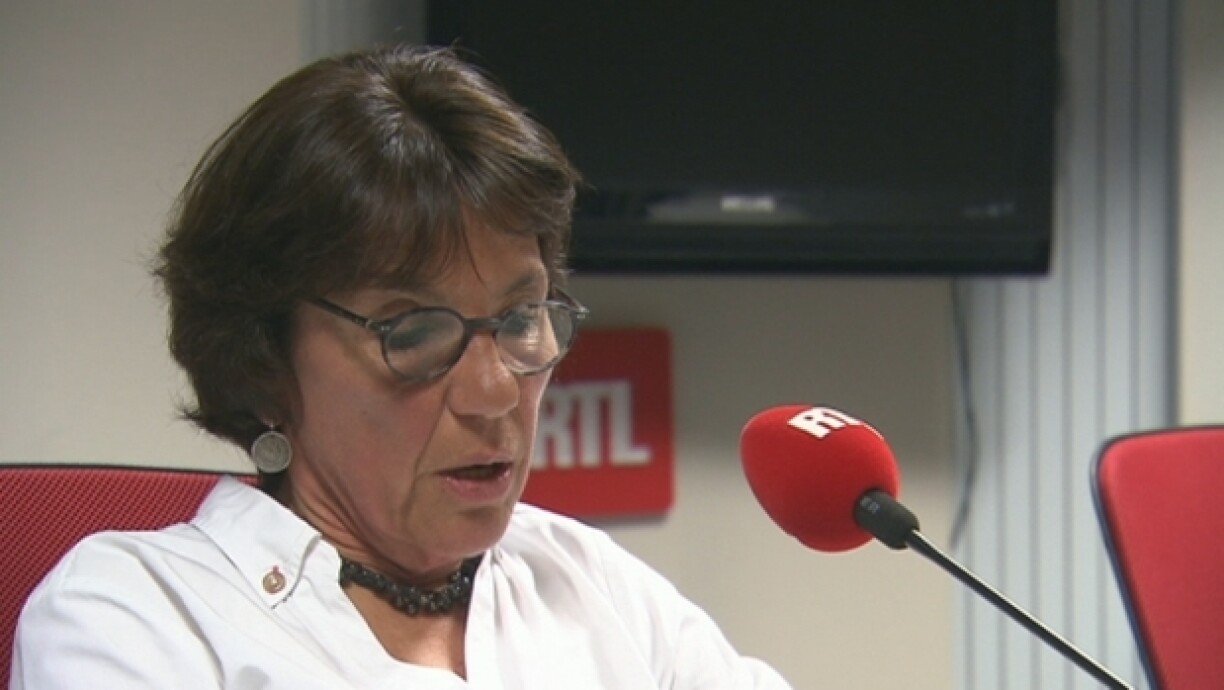
RTL asked how intact the different power divisions are after a number of prosecution letters appeared on the scene: one to Chamber President Fernand Etgen and one to CSV MP Félix Eischen. According to Solovieff, they were in no way interfering and that is was a case of an official request. They were not looking to meddle with other power divisions, as it is not the role of the prosecutor's office to do so.
Solovieff wanted to know under which circumstances the MP had received the audit that he had passed on to the prosecutor's office in June. CSV leader Martine Hansen said it was odd to inquire about someone's sources, while Chamber President Fernand Etgen considered it an odd reaction considering the Chamber made the audit available to deputies.
Solovieff explained that when she received a letter referring to a document, it was not up to her to ask about the origin of said document. It could be that it had been brought up by the media, or elsewhere previously, but it was not up to her to investigate how someone came by the document. If it was a public document, then there was no issue, and if Félix Eischen had responded saying it was a public document, that would have settled the matter. It wouldn't have been an issue and would have sufficed as an answer. She didn't care who exactly had given Eischen the document, but it was the matter of its legality that was in question, and how his possession of said document should be understood.
If the document hadn't been public, and had been leaked, wouldn't it still be an MP's duty to reveal any criminal deeds to the public prosecutor even if he didn't obtain the documents legally?
Martine Solovieff said that it may be his duty, but since discretionary prosecutions and the opening of investigations was hers, it was her choice whether or not to start investigating. If they opened up a large scale inquiry without knowing where the origin of these documents, then they would risk being told that their processes were invalid.
In terms of the second Solovieff/Wiwinius letter to Etgen was not a case of the Justice department trying to interfere with parliamentary proceedings, rather a reaction to the parliamentary question number 1065, concerning the "secret files" subject.
Solovieff was of the opinion that this was a very low blow, as it was founded on what was apparently a previous court clerk of theirs, and just brought together in one big amalgam which begged the question as to whether he every really worked at the Justice department. This did not mean that they weren't ready to answer parliamentary questions concerning the whole "secret file" affair, of course they would, but not under those circumstances; i.e. not when it involved what an apparent former employee had put on Facebook.
Mosar and Roth's parliamentary question had been based on these very statements, and asked whether the prosecutor's claims should be questioned. This challenge to her integrity was another reason for the reaction, explained Solovieff.
Public prosecutor letter sparks concern about judiciary intervening in politics





