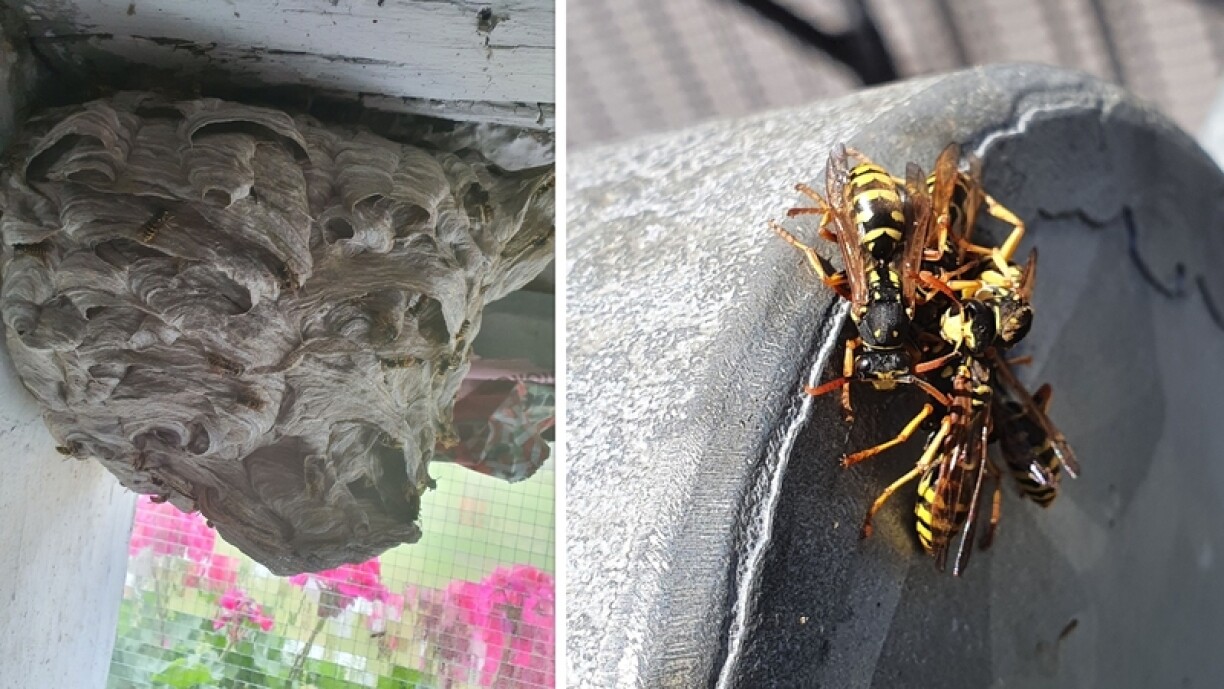
In a single day, Eddy Boland of the company Rodents Hygiene Service (RHS) in Wiltz has received over 50 requests a day to come remove wasp nests.
"70% of nests are built in shutter boxes. The others are located in garden sheds, terraces, parasols, in the ground and building cracks", specifies the pest control expert.
Wasps are so small they can infiltrate a hole of half a centimetre in diameter. "I see people trying to plug their holes with cloth. But two days later, they've already cut the fabric, it's no use", says Boland. So why are the rushing into shutter boxes? "I think it's because they're becoming better insulated, so they provide shelter from the cold in the winter."
Some nests can be the size of a melon. "These are nests that can already contain a hundred wasps", says Boland. But within a few weeks, some nests can grow to 1,000 or 5,000 wasps.
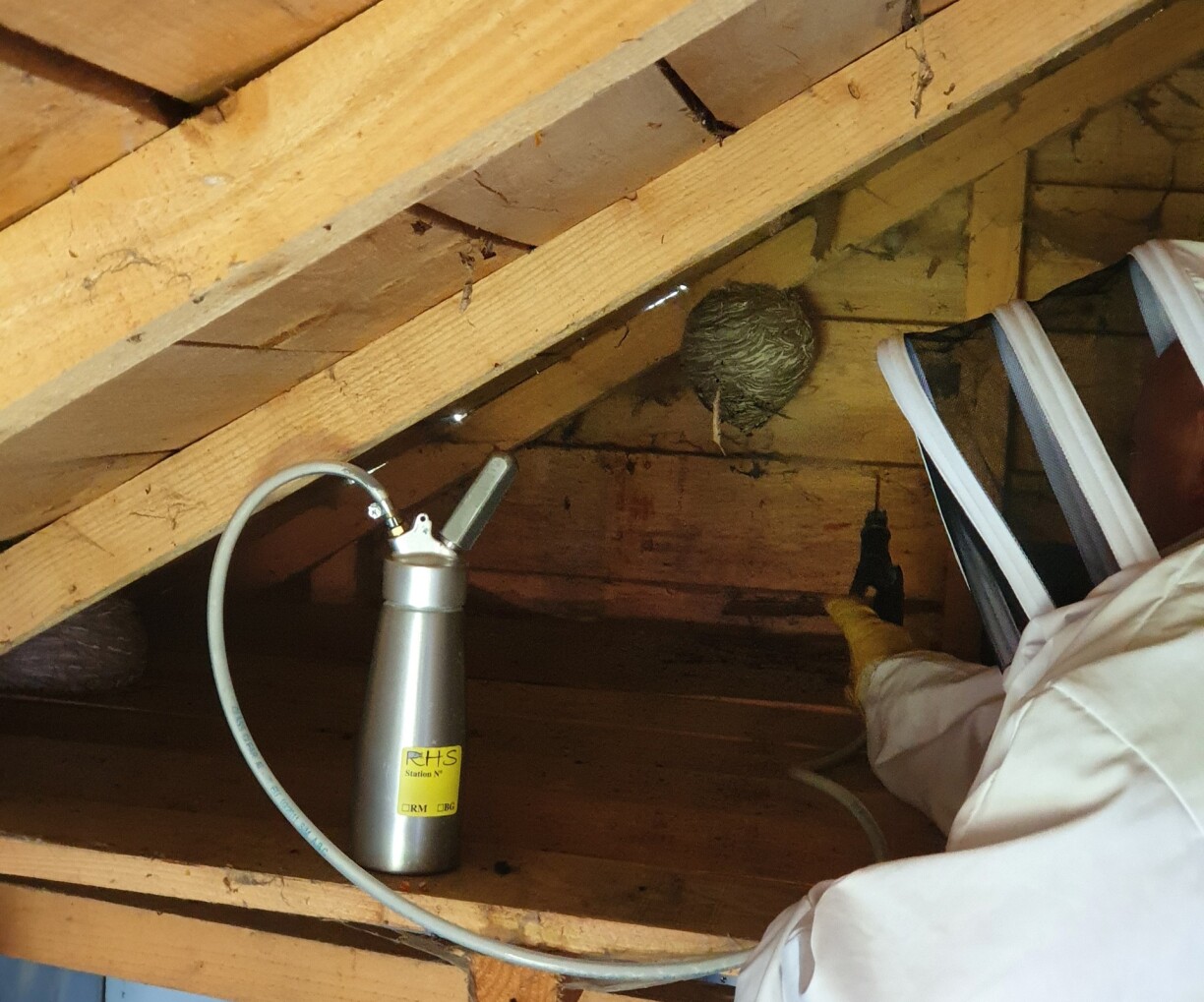
The threat should not be taken lightly, according to the expert, especially since some people are allergic to wasps stings. But due to the warm weather, the wasp queens were able to build their nests and lay eggs without cold weather interference. This is therefore expected to continue throughout the summer.
The expected heat wave of next week may intensify the phenomenon, which could last until the end of summer. Until then, it is important to remain vigilant, such as around the house or on a restaurant terrace.
"You must not forget that if a wasp is not attacked, it will do nothing to you. On the other hand, if you hunt or hit it, expect it to react and attack you or your neighbour", warns Boland.
The expert also underlines the wasp's role in the food chain, and thus to leave it alone if it's doings it job quietly.
Wasps should also not be confused with bumblebees, wild bees and other protected insects, as they are not allowed to be killed.





