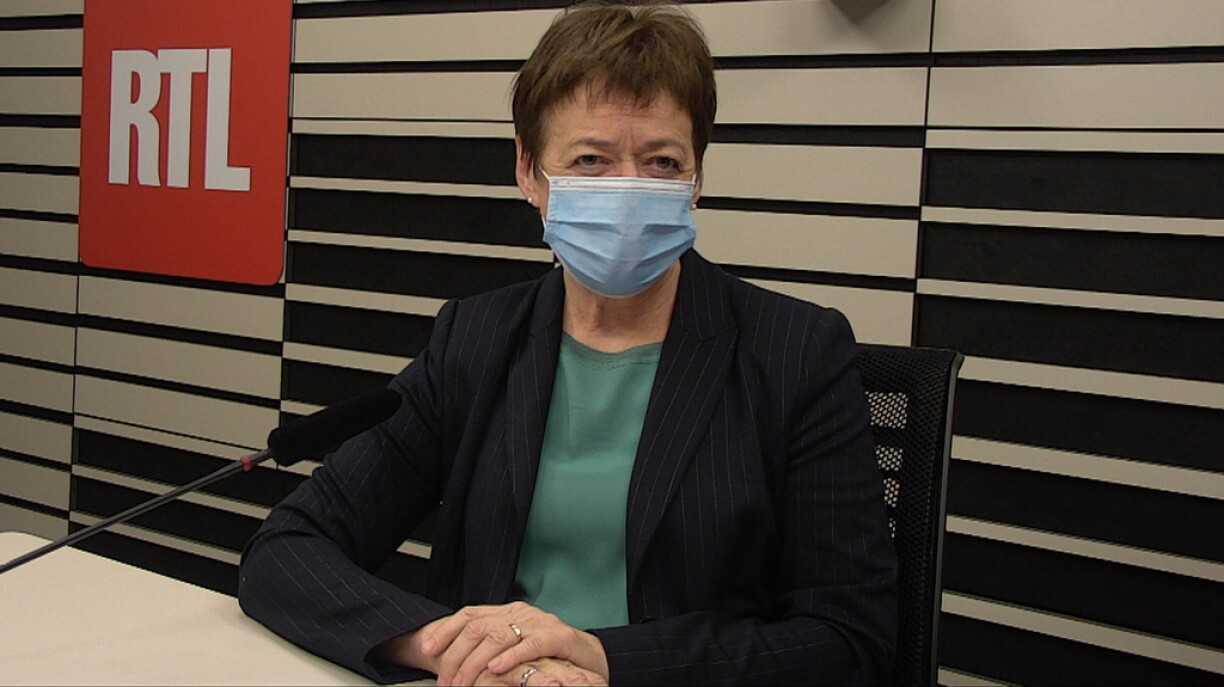
Lorsché first addressed the legal challenges of integrating school restrictions in the Covid laws. Due to the unpredictability of the virus, it is extremely difficult to include all potential problems that still might occur, the politician noted. She disputed however that this was a matter of failure on the part of the government, as was recently stated by opposition party CSV.
When asked about the moderate pace of the vaccination campaign, Lorsché replied that most problems are a matter of delivery. She also conveyed that similar to MP Georges Engel (LSAP), she already proposed accelerating the process by using up 100% of doses currently available, instead of 75% as is the case for the AstraZeneca vaccine for instance. The issue is now being discussed by the Chamber of Deputies, which needs to strike a balance between speed and security.
The politician expressed her belief that vaccination scepticism may have been underestimated, referring to the mere 60% of health care workers who opted for the jab. People need to understand that it is both an economic and social necessity to get vaccinated, Lorsché emphasised. She further thinks that it is not only down to the Ministry of Health to make a difference, but that collective responsibility is required.
Lorsché also addressed the reported incidents of premature vaccinations. She affirmed that the behaviour is morally condemnable, but stated that legal challenges are a different matter. The boundaries first need to be defined before adequate punishments can be awarded, she elaborated.
The member of the Green Party is vehemently against the introduction of a Covid vaccination passport that would award more rights to vaccinated people. On the one hand, there is still no scientific proof that they are not just as contagious, and on the other hand, it would discriminate against people who have yet to receive a chance, Lorsché emphasised. The question can only be raised once everybody received an opportunity.
Finally, Lorsché talked about the reopening of the hospitality sector. Pandemic fatigue is growing stronger and people need a perspective on when they can get back to their social routine. However, a decision needs to be taken jointly with officials from the greater region to create a consensus, the politician stated.





