Dozens of Ukrainian refugees currently living in private homes across Luxembourg may soon find themselves without accommodation, as the Red Cross gradually winds down its temporary housing programme.
Launched in response to the refugee influx in 2022, the initiative provided a home to Ukrainians fleeing the war. Around 550 people benefitted over three years, often seeing this arrangement as a step toward normality and stability. However, only around 100 people remain in the scheme today, and they now face a pressing need to find alternatives.
According to LUkraine president Nicolas Zharov, the decision marks a serious setback. He warned that many of those affected are vulnerable, including elderly individuals unable to work and single mothers with children. The consequences for children could be particularly disruptive, forcing them to change schools and restart the integration process.
The Red Cross confirmed that the initiative officially ended in March, and that both tenants and landlords were notified last October. Some exceptions have been made, particularly for families with school-age children, but the organisation is gradually wrapping up the project.
The housing was offered free of charge by private owners, with utilities and maintenance costs covered by the Red Cross. Some owners now wish to reclaim their properties, while others may open their homes to new beneficiaries.
Nadine Conrardy, head of the Red Cross’s social action and health department, explained that the decision is not primarily driven by financial constraints. Instead, the Red Cross has said that it aims to redistribute resources more evenly across the wider population in need of support, including others facing housing insecurity in Luxembourg, not only Ukrainian refugees.
Refugees unable to secure independent housing can turn to the National Reception Office (ONA). As of now, ONA shelters host 1,700 of Luxembourg’s roughly 3,800 Ukrainian refugees. Between October 2024 and June 2025, 531 new beneficiaries of temporary protection joined the ONA network, though it remains unclear how many were previously housed through the Red Cross.
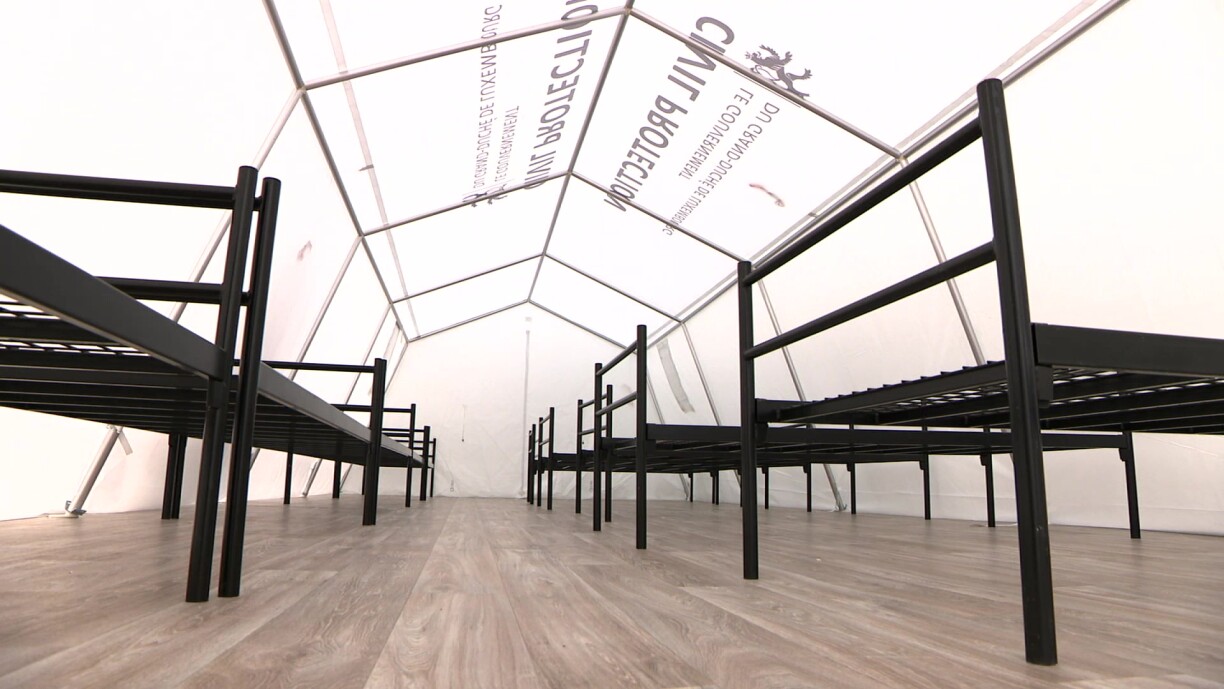
NGO LUkraine says it continues to receive reports and photos showing substandard conditions in some state shelters. In particular, the Primo-Accueil (initial reception) centres have long waiting times and, according to the organisation, hygiene standards that fall well below what is expected in Luxembourg.
One case cited involves a Ukrainian woman and her 15-year-old son who arrived in Luxembourg hoping for a better future. After being assigned to the Toni Rollmann Centre, the woman reportedly broke down in tears the next morning, shocked by the conditions she found.
LUkraine argues that overall reception conditions for refugees in Luxembourg fall short of the national standard. The organisation suggests that meaningful progress will only be possible if policymakers first acknowledge the seriousness of the situation rather than presenting it in an overly positive light.





