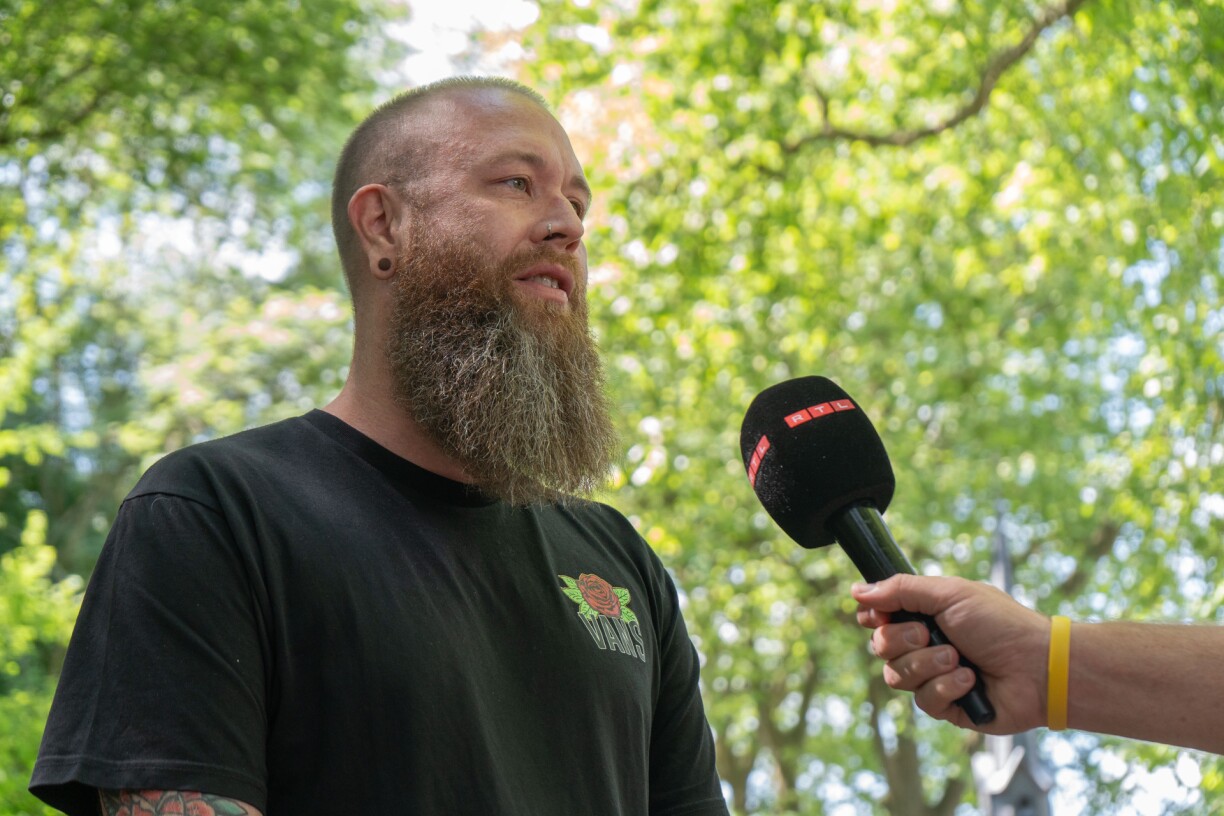
Patients discharged from psychiatric care are not necessarily cured – they are stabilised, and relapses remain a possibility. This is the message from Keven Schimberg and Philippe Bonert, two psychiatric nurses at the Neuro-Psychiatry Hospital Centre (CHNP) in Ettelbruck.
Keven has worked in adult psychiatry for 15 years, while Philippe has spent nearly 19 years in the sector, currently in youth psychiatry. In conversation with RTL, both shared what daily work with some of the most vulnerable in our society entails.
Keven, who primarily supports adults dealing with addiction and personality disorders, describes the combination of conditions as a volatile mix that often clashes with society and leads to aggressive behaviour. He explains that while treatment can help stabilise someone, it does not necessarily eliminate the risk of relapse. Sometimes patients can reintegrate into society for a while, but it is also common for them to return for further care, he notes.
The average stay at the CHNP is three to six months, though some patients remain for years. All are adults and must be physically self-sufficient to be admitted. Currently, there are slightly more male patients than female, but that trend is gradually balancing out, according to Keven.
Keven says his goal during treatment is to help patients reclaim aspects of their lives – encouraging them to enjoy everyday activities again, like swimming or going to the cinema. He acknowledges he no longer holds the illusion that patients will be fully "healed" and able to live like others after their stay.
Coming from a family deeply rooted in the social sector, Keven decided to enter the psychiatry sector after a formative internship. He reflects that during a normal shift, nothing or everything can happen.
His unit houses 22 patients, and he works closely with about five each day. Morning shifts are covered by three staff members, while the afternoon has two, and the night shift is handled alone.
Keven stresses that the psychiatric unit operates with full transparency. He explains that restraints or isolation are never applied arbitrarily – they're governed strictly by law. Restraints may last from two to eight hours, and isolation up to 24 hours, according to Keven.
He finds fulfilment in working closely with patients and says the key is always to meet them at eye level. Despite the intensity of the job, he looks forward to going to work each day.
After a shift, he unwinds by playing music in the car with the windows down – a routine that helps him mentally disconnect from work. For Keven, working in psychiatry requires total conviction and a deep sense of purpose.
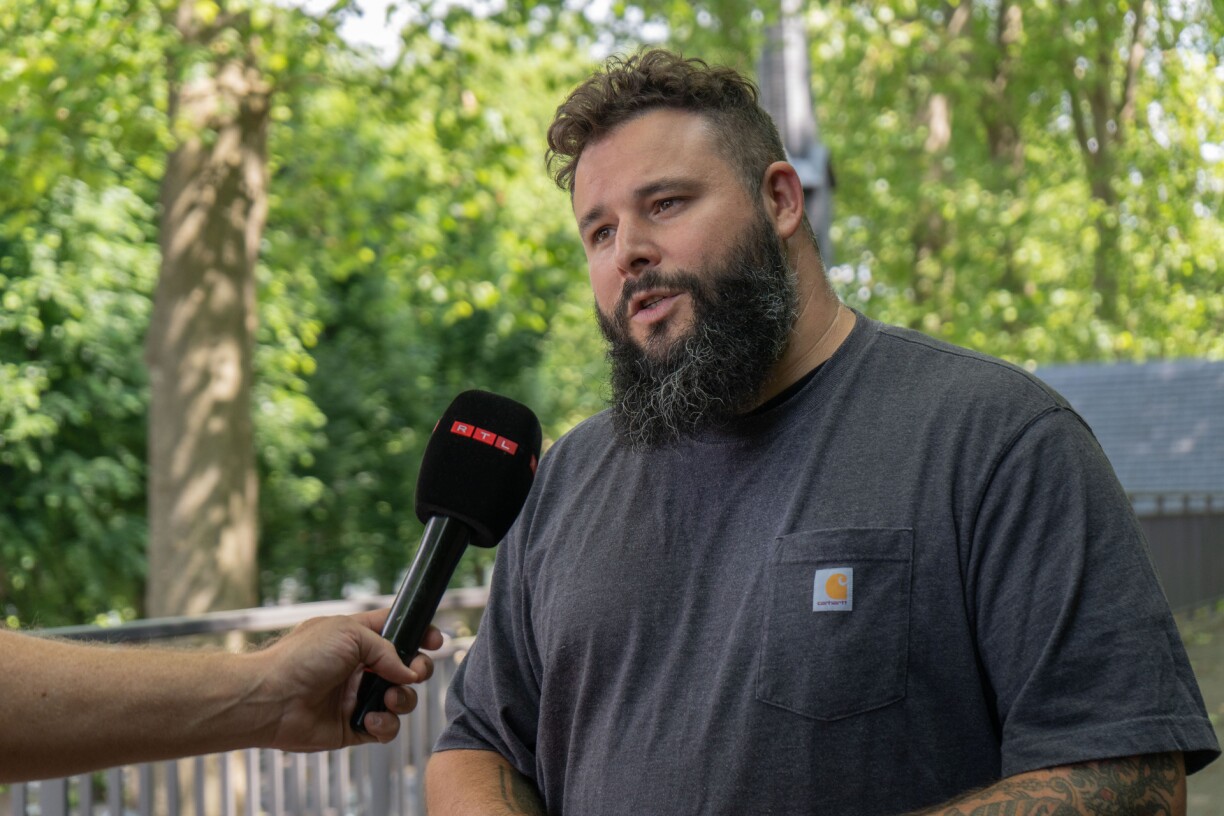
Both Keven and Philippe have been trained in de-escalation techniques – a skill they now pass on through workshops for others in the social sector. They are particularly focused on managing aggression constructively.
Philippe, who now works in youth psychiatry, says moving from adult care to working with young people under 18 was a major shift, but one he is very glad to have made. He comes from a family with many medical professionals and initially aimed to specialise in anaesthesia, but a hospital internship eventually led him to psychiatry.
Mental health issues in young patients, Philippe explains, can stem from many sources: depression, behavioural problems, substance misuse, truancy, or unstable home lives. These young people often need a structured, secure environment to regain stability, he notes.
Philippe believes proper training is crucial and supports the move to elevate the nursing profession to a university-level degree. However, he emphasises that most of what one learns comes from hands-on experience in the field.