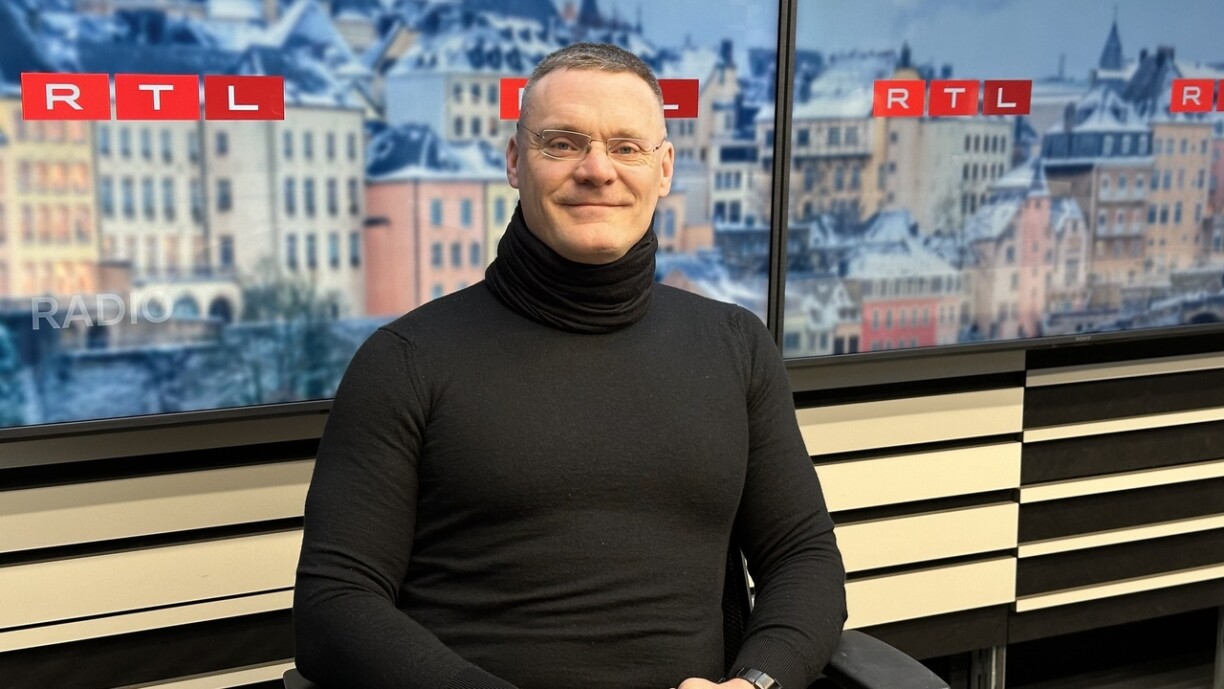
Feith expressed pride in Luxair's performance in 2023, surpassing its pre-pandemic record for 2019 by carrying more than 2.5 million passengers. Despite the positive trajectory, he acknowledged that business travel has not fully rebounded to pre-pandemic levels, with variations among companies in travel frequency. Luxair will be coming out of the red and "a small profit" is expected, according to Feith.
Feith highlighted Luxair's expansion, noting a 50% increase in passengers in December 2023 compared to 2019. He emphasised that additional aircraft acquisitions contribute to increased revenue without raising fixed costs. Luxair, with its current fleet of 21 aircraft, envisions further growth, aiming for a maximum limit of 30 aircraft. The airline aims to maintain its 50% market share at the airport.
Feith addressed the upcoming Olympic Games in Paris, stating that Luxair would not significantly increase flights, as 90% of customers use Luxair for transit rather than direct travel to Paris itself. As for a potential European ban on short-haul flights, Gilles Feith thinks it is a bad idea, particularly for Luxembourg. He argued that these routes, particularly to key destinations like Amsterdam, Frankfurt, Paris, or Munich, serve as crucial connections for Luxembourg with the rest of the world, especially since a significant portion of customers use them as transit points to reach other destinations: "If they are abolished, Luxembourg will no longer be connected with the world."
In 2023, Luxair made a strategic decision to withdraw from the tender for cargo handling management at Findel Airport. There were several reasons for this. Feith disclosed that the air freight sector incurred losses of "€2 to €3 million" in 2023. Additionally, Feith highlighted the "highly competitive nature" of the sector as well as the fact that the Cargo Centre at Findel Airport required extensive renovations, estimated to cost around €300 million. Facing the financial challenges posed by these losses and the need for substantial investments, Luxair opted to step back from cargo handling operations, especially considering the already significant financial commitments made to fleet upgrades. "Both were simply unsustainable," according to Feith.
Luxair, currently employing approximately 3,000 people, is urging trade unions to adopt a "reasonable" approach during the negotiations. Feith emphasised the company's commitment to maintaining the "Luxair model" and providing employees with what he referred to as "the best social model" compared to other airlines at Findel Airport.
Feith underscored the financial constraints facing the company, pointing out that continual increases in ticket prices were not a sustainable solution. He highlighted that in 2023, due to wage indexations, Luxair had already paid 7.5% more in wages, and this trend is expected to continue in 2024. In light of these financial considerations, Feith urged trade unions to align their expectations with the economic realities, emphasising the need to ensure profitability for the company's sustainability.





