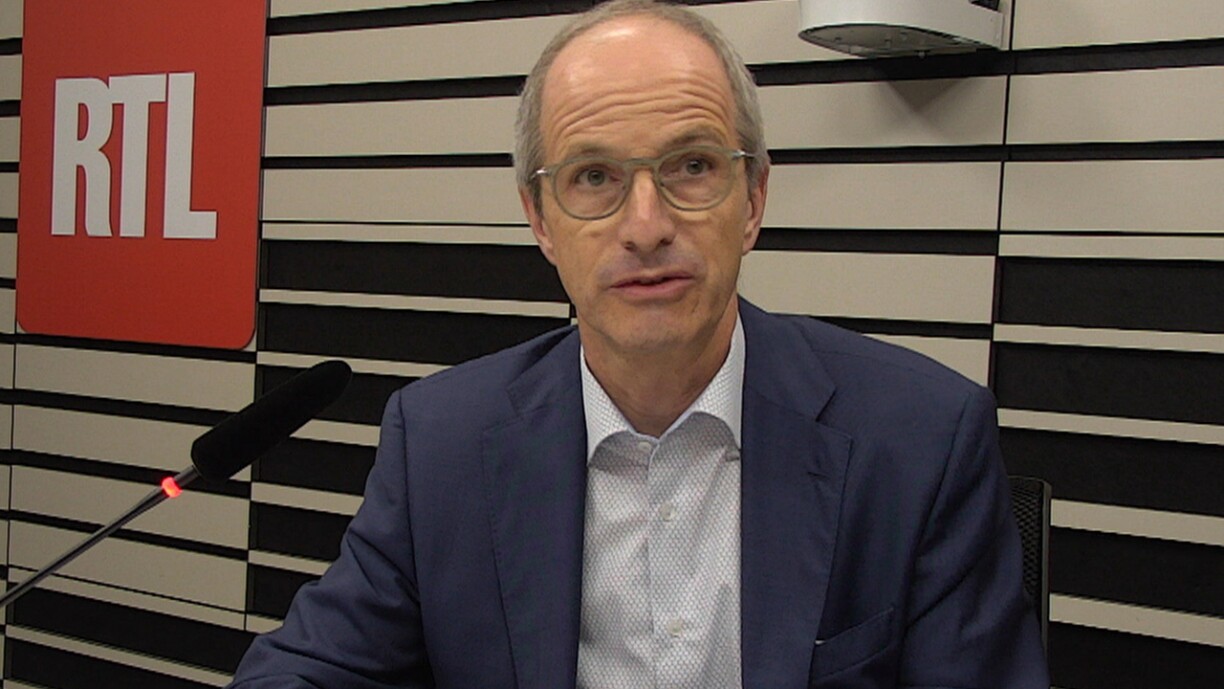
The seriousness of the situation should not be underestimated, Bastian underlined during his interview. 570 lost jobs was a very real number and it would be critical to find a quick solution within the tripartite. Fortunately, the Grand Duchy developed a series of successful counterstrategies over the years, such as pre-retirement or career revaluations.
Bastian elaborated on the repercussions of the pandemic that finally tipped the scale in an already dire situation. It is not merely the Luxembourgish steel industry that is experiencing difficulties, but the European one in general, since the offer on the global market is currently excelling the demands.
Blame is clearly put on the European Union. The 25% tariff on a ton of imported steel from the EU, which was initiated by US president Trump two years ago, would make it impossible for manufacturers to remain profitable. Bastian believes that the Union's countermeasures are far too insignificant to be of any help. Meanwhile, the situation becomes even more difficult for European steel manufacturers since they also have to meet certain CO2 standards and taxes. Bastian acknowledged that commitment to a sustainable economy would be commendable, but it could only work if the whole world participated.
The future of ArcelorMittal remains uncertain, even without considering the pandemic. The car and construction industries had already decreased their orders prior to the outbreak, Bastian conveyed. Nevertheless, he expressed his optimism that ArcelorMittal could continue its operations in the Grand Duchy, given the tripartite discussions turn out be fruitful. Bastian underlined that the country's industrial sites would not be in danger.





