The police force is currently undergoing significant changes, marked not only by the new ban on begging, but also due to the planned establishment of a municipal police force, and a notable generational shift in leadership.
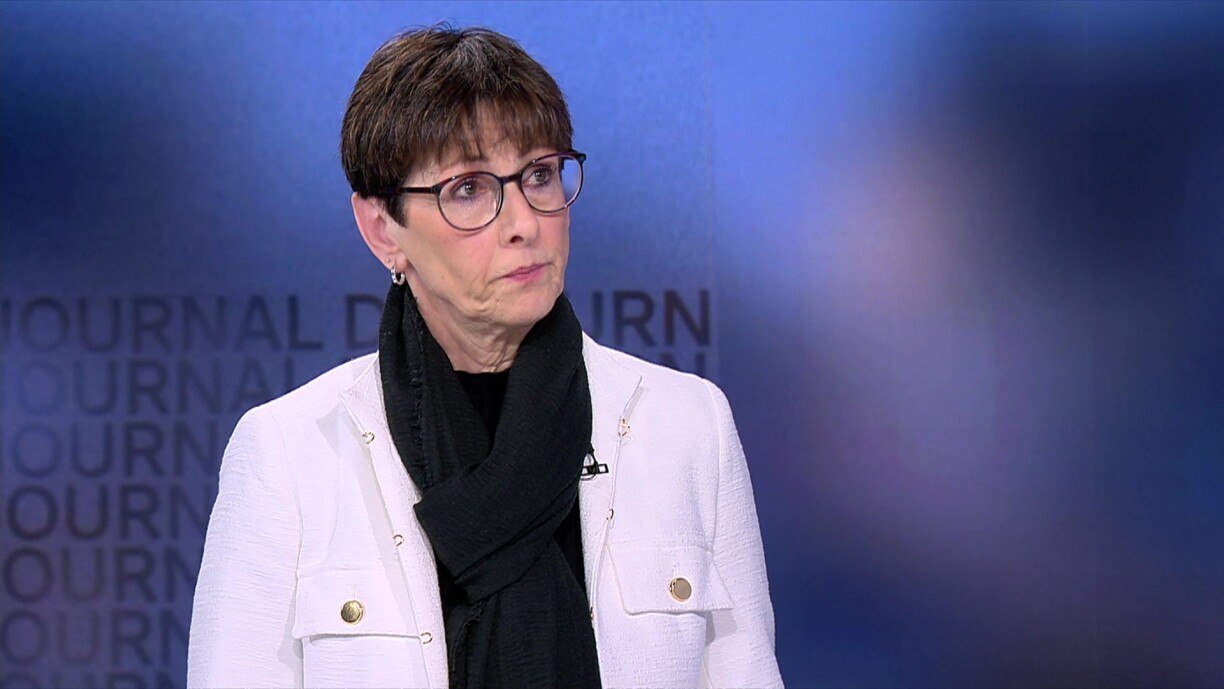
Marlène Negrini, president of the police union, shared insights during an interview with our colleagues from RTL Télé on Friday evening.
Regarding the ban on begging, Negrini highlighted a phased approach, emphasising initial efforts to raise awareness among those affected. From January onward, penalty notices will be issued as part of the enforcement strategy. However, Negrini pointed out existing uncertainties surrounding the interpretation of the law.
"Technically, the police would now have to fine everyone," Negrini stated, stressing the broad scope of the legislation. According to her, the law does not solely target organised gangs but encompasses all forms of begging. Negrini asserted that under the new regulation all forms of begging are currently considered illegal. The penalty entails the immediate issuance of a notice, which is then sent to a court, rather than the police officers collecting the money on the spot.
Negrini refrained from providing an opinion on the proposed municipal police force, seeing as no concrete project has been put forward at this stage.
At the moment, however, the police would not have enough people to implement the changes either way, according to Negrini. But this is set to change as 160 new police candidates are scheduled for training next year. Further increases in staff numbers are planned for 2025.
The police union recently had their first meeting with the newly appointed Minister of Home Affairs, Léon Gloden, on Thursday. The president of the police union expressed a positive sentiment, noting, "I have to say, the minister even listened to us." Stressing the importance of fostering dialogue, Negrini emphasised the need to collaborate constructively in the best interests of police officers and the broader realm of police work.
Addressing the police directorate, where four individuals have recently submitted retirement requests, Negrini expressed hope for continued robust communication between the union and the police directorate in the future. This commitment extends irrespective of whether it involves the existing individuals or a newly appointed directorate.
When asked about tasers, which Minister Gloden is considering introducing, the president of the police union asserted that any measure promoting the safety of police officers "cannot be bad." However, Negrini underscored the necessity for concrete proposals, emphasising the importance of a legislative project outlining the specifics of how and for what purposes tasers can be employed.
As far as the prevailing sentiment among the police force is concerned, Negrini cautioned against generalisations. She described the situation in the Gare neighbourhood in Luxembourg City as "more challenging," for instance.
Full interview (in Luxembourgish)





