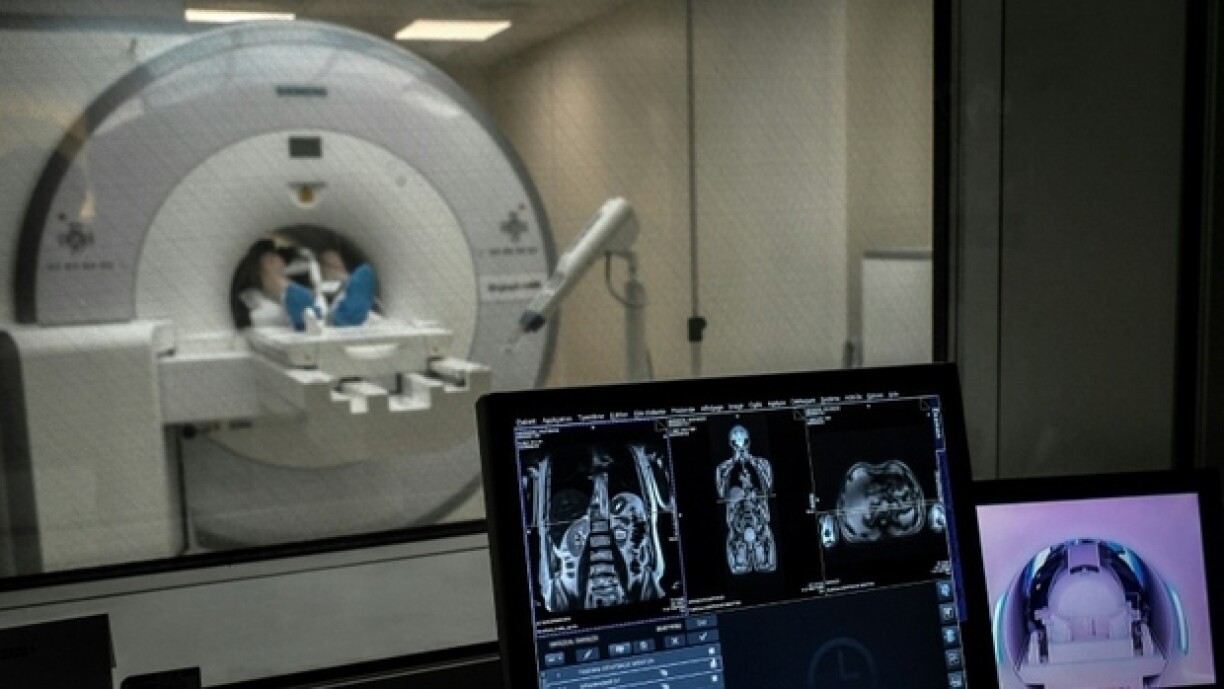
Some professions in Luxembourg simply cannot find enough people to fill their vacancies. These are recorded on the National Employment Agency's (ADEM) official list of professions in great shortage, which currently covers roles in construction, an expanding range of industrial positions from engineering to maintenance, and various financial sector roles that have repeatedly failed to attract sufficient candidates.
The list serves a practical purpose. When a profession appears on it, employers benefit from a simplified procedure for obtaining a Foreign Workforce Certificate.
As ADEM deputy director Gaby Wagner explains, this means skipping the standard market analysis and allowing the employer to receive authorisation to hire their chosen candidate within five days. The list also helps ADEM identify which training areas the agency needs to build on.
Hospitals and clinics are among the most consistently understaffed workplaces in the country, and recruiting from outside the EU remains particularly complex in the healthcare sector. The core difficulty, as Karine Rollot, head of personnel at Hôpitaux Robert Schuman, explains, is that candidates from third countries must first have their qualifications formally recognised before they can work in regulated medical professions. Even within the EU, recruitment is challenging. For roles such as IT positions, candidates from further afield are more readily considered.
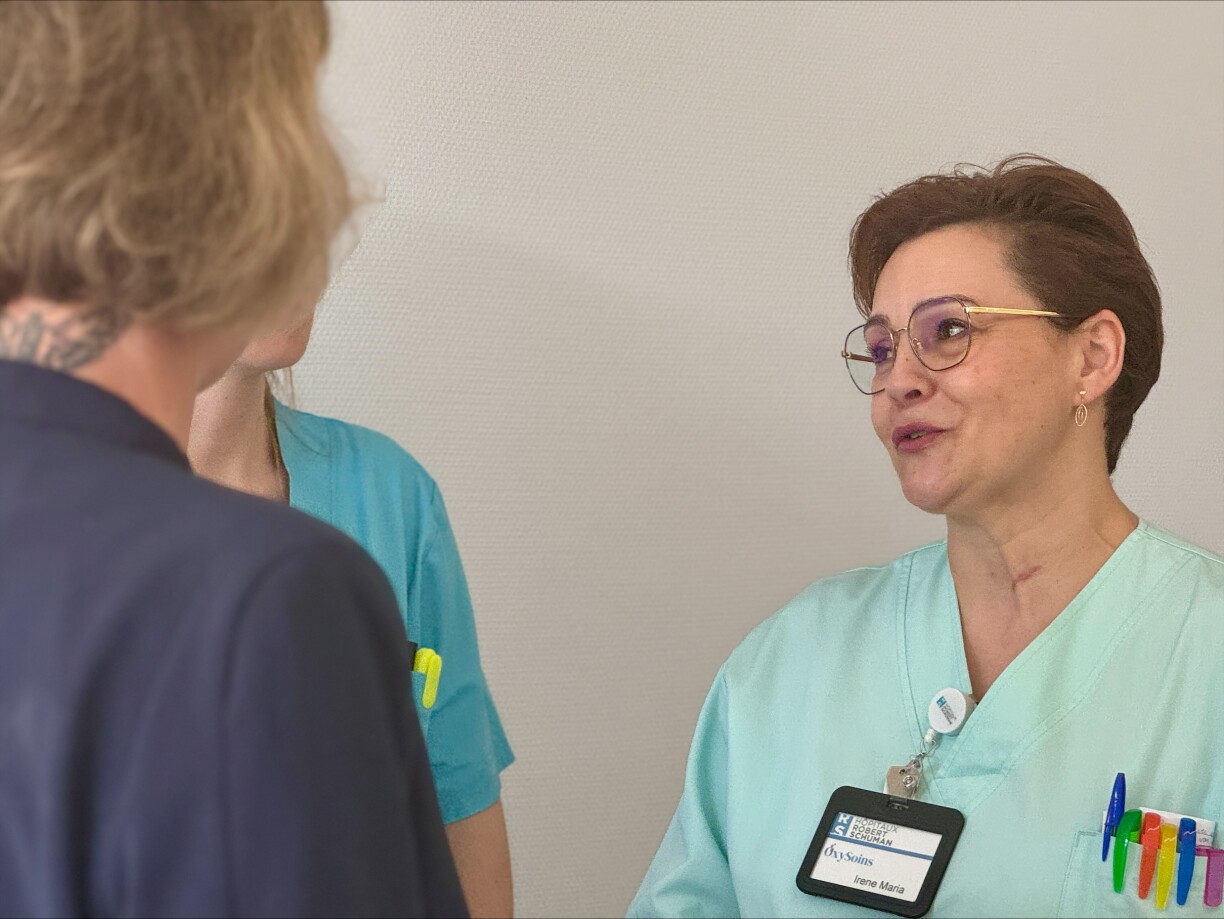
Working together with ADEM, the Robert Schuman Hospitals took a more creative approach to the problem. The result is a pilot project currently running at the ZithaKlinik called OxySoins, a name that reflects its aim of giving nursing staff room to breathe.
By redistributing logistical tasks, secretarial work, and other non-clinical duties to a newly hired support team, nurses and carers are freed up to spend more time with patients. Twenty candidates were brought on board to take on these newly created roles, seven of them through ADEM.
One of those new hires is Irene Da Costa Nogueira, who joined the ZithaKlinik on 1 September and seems to have found her dream job. Coming from a background in the clothing industry, she describes the role as a completely new challenge and one she had always wanted to pursue. "That was my chance, and I grabbed it with both hands," she says.
For ADEM, the success of targeted projects like OxySoins depends on employers reporting their vacancies. Looking at the broader picture, Gaby Wagner does not anticipate major changes to the composition of the shortage list.
As advice for young people, Wagner says that the health and social sector will continue to face an enormous shortfall in the years to come, as it has for years already. Engineering will also remain in high demand, and roofing has recently joined the list as a new addition. What has shifted more broadly, however, is that the overall volume of job offers available to jobseekers has declined, reflecting a less volatile labour market.





