
Here are five things you should know at the end of this week:


Tali, representing the Grand Duchy, expressed her surprise and gratitude after advancing to the Eurovision final, having emerged victorious from the first semi-final where Luxembourg was the last to be announced as a finalist.
Long wait – Tali, Luxembourg's representative at the Eurovision Song Contest, was overwhelmed with emotion following her successful performance in the first semi-final, which led to her advancing to the finals.
She expressed shock and gratitude during a post-show interview, particularly noting her surprise at being the last finalist announced, an announcement that heightened the suspense and drama of the moment. This milestone marks a significant achievement for Luxembourg, which has returned to the competition after a long absence.
Anticipation rises – Luxembourg is back in the Eurovision Song Contest after a hiatus of 31 years, marking a significant return with Tali at the forefront. She secured her spot in the finals with her performance of 'Fighter', a song that had been meticulously refined leading up to the event.
Luxembourg's participation is eagerly anticipated by fans and the country itself, hoping to make a memorable impact during the first half of the upcoming final on Saturday evening.
Geopolitical tensions – The atmosphere of this year's Eurovision Song Contest has been notably affected by external geopolitical tensions, particularly due to protests concerning Israel's participation amid the conflict in Gaza. This context has brought a somber tone to an event typically celebrated for its cultural diversity and unity.
The protests, which included participation from notable figures like Greta Thunberg, highlight the complex interplay between global political issues and international cultural events like Eurovision, impacting the overall spirit and experience of the competition.
Live coverage – RTL Today will live broadcast the final on Saturday evening, with commentary provided by Meredith Moss and Sarah Tapp.
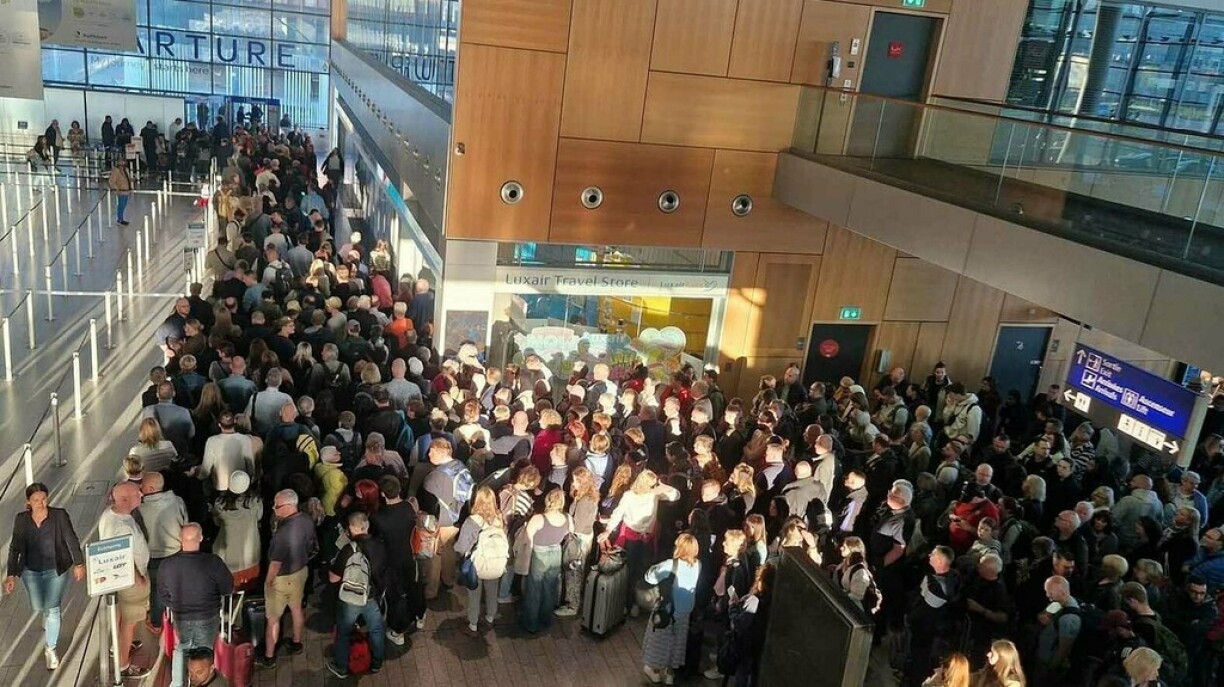
LuxAirport experienced significant delays on Friday morning due to a malfunctioning metal detector, requiring around 800 passengers to undergo a second security check, impacting over 20 Luxair flights.
Police were involved in the incident, using surveillance footage to ensure all affected passengers were rechecked.
Luxair CEO Gilles Feith stated the incident has led to complex scheduling challenges and potential cancellations, as efforts were made to manage and prioritise disrupted flights.
Up to four-hour delays – At LuxAirport on Friday morning, a security incident caused by a malfunctioning metal detector led to substantial delays and operational disruptions. Approximately 800 passengers who had already cleared security were required to go through the process again, affecting their travel plans and causing significant holdups. This malfunction impacted over 20 flights operated by Luxair, leading to delays in departures and complications in flight scheduling. The issue persisted into the late morning, with some flights experiencing delays of up to four hours.
Technical glitch – In response to the security malfunction, police took active measures to ensure the safety and integrity of airport operations. They utilised surveillance footage to identify and recheck all individuals who passed through the affected security checkpoint.
Additionally, police efforts included searching for a particular individual related to the incident, though no specific details about the reason for the search or the identity of the person were disclosed. The police confirmed that there was no suspicion of criminal intent involved in the malfunction, framing it as a technical glitch.
Logistical challenges – Luxair CEO Gilles Feith highlighted the broader implications of the security incident on the airline's operations. The unexpected need to recheck passengers and the resulting delays threw off the carefully timed schedules of flights and crew assignments.
With multiple flights delayed, the airline faced the complex task of reorganising aircraft and crew availability. Feith emphasised the logistical challenges in managing such disruptions, particularly in maintaining safety standards without compromising the planned itineraries of subsequent flights. The situation led to a reassessment of flight priorities, with a focus on minimising the cascading effects of the delays throughout the day.
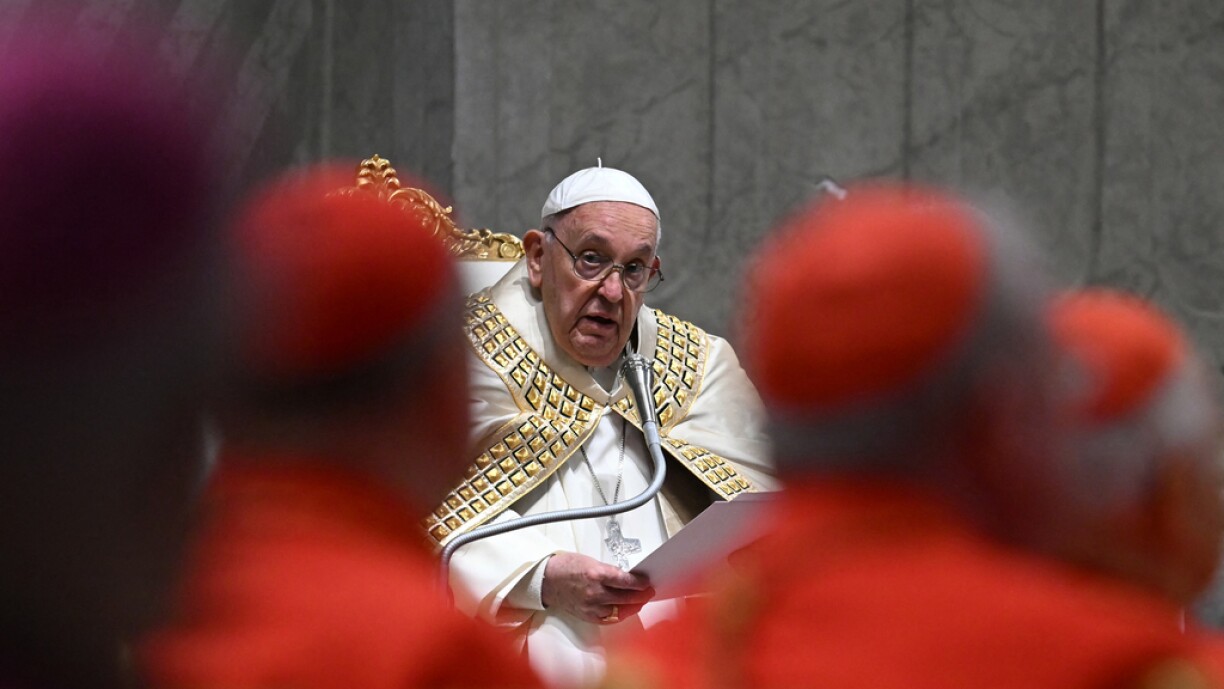
Cardinal Jean-Claude Hollerich indicated that Pope Francis is highly likely to visit Luxembourg in late September, coinciding with his confirmed appearance at the 600th anniversary of KU Leuven in Belgium.
The Grand Duke of Luxembourg has extended an invitation to Pope Francis, though the exact dates and logistics for the visit are still under discussion, with potential dates being 21–22 or 28–29 September.
The last papal visit to Luxembourg was by Pope Jean Paul II in May 1985, marking nearly four decades since a pope visited the Grand Duchy.
Historic announcement – Luxembourg Cardinal Jean-Claude Hollerich, in a recent interview with Radio Latina, suggested that a visit by Pope Francis to Luxembourg is "very, very likely" to happen in late September. This potential visit is timed to align with the Pope's confirmed attendance at the 600th anniversary celebration of KU Leuven, a prominent university in Belgium.
Grand Duke involved – Regarding the invitation from Luxembourg, Cardinal Hollerich mentioned that the Grand Duke had formally invited Pope Francis to visit the country. Although the invitation has been extended, the specific details of the visit, including exact dates and the itinerary, are still in the planning stages.
Rare event – The last papal visit to Luxembourg occurred 39 years ago when Pope Jean Paul II visited in May 1985. During that visit, he traveled to several locations within the Grand Duchy, including Luxembourg City, Echternach, and Esch. This historical context highlights the rarity and significance of a papal visit to Luxembourg, making the potential visit of Pope Francis a notable event in the country's recent history.
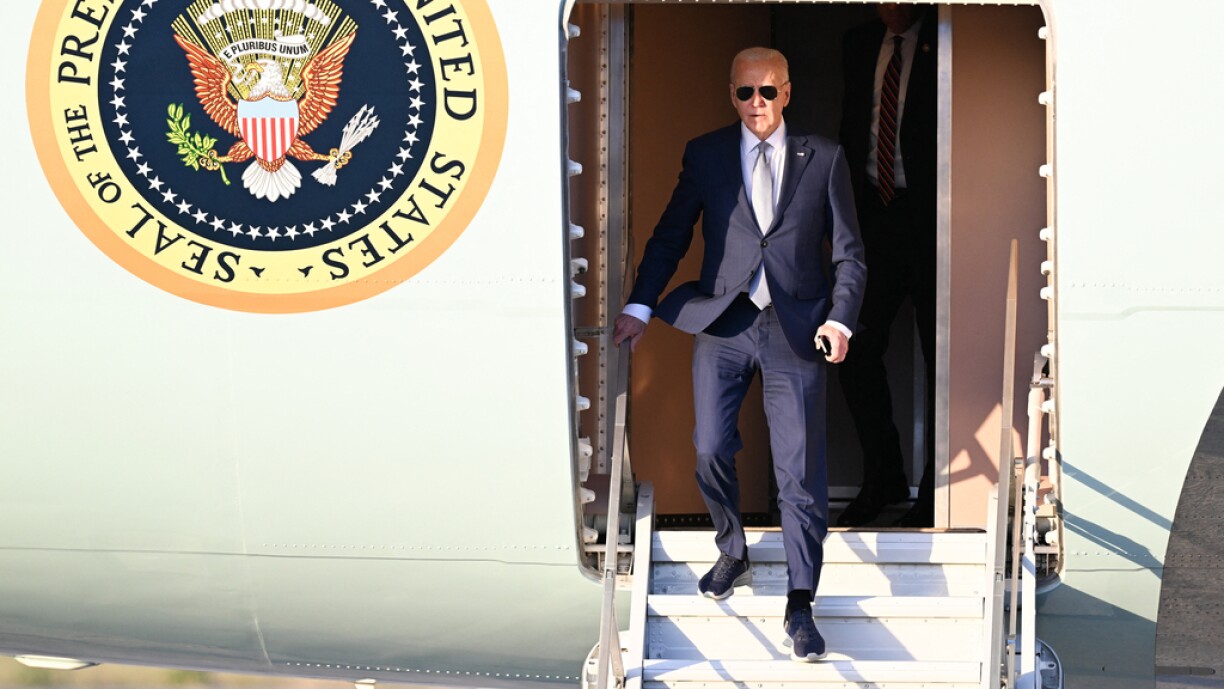
US President Joe Biden has threatened to withhold military aid from Israel, a significant leverage tool, as he strongly opposes Prime Minister Benjamin Netanyahu's intentions to attack Rafah, despite their historically close but complex relationship.
The US has already halted a shipment of thousands of bombs to Israel, signalling serious consequences if Netanyahu proceeds with military actions in Rafah, where many displaced Palestinians are sheltering.
Netanyahu remains defiant against Biden's warnings, prepared to act alone if necessary, while the issue has also become a point of contention in US domestic politics as Biden's rivals criticise his stance.
Policy shift – Tensions between the US and Israel have escalated with President Joe Biden using a significant diplomatic tool – threatening to withhold $3 billion in annual military aid – to influence Israeli actions in Gaza.
This move comes as Biden expresses strong opposition to Israeli Prime Minister Benjamin Netanyahu's plans to attack Rafah, a city in southern Gaza where many displaced Palestinians have sought refuge.
Despite a long-standing relationship marked by personal and diplomatic closeness, Biden's approach signifies a marked shift, underlining serious US concerns about escalating violence and its impact on civilian casualties.
Bomb shipment halted – Reflecting the gravity of his concerns, Biden has already taken concrete steps by halting a substantial arms shipment to Israel, which included thousands of bombs. This preemptive action appears intended as a clear warning to Netanyahu about the serious repercussions of proceeding with military operations in Rafah.
Political rift – Despite the serious implications of Biden's threats, Netanyahu has publicly dismissed the US President's warnings, stating Israel's readiness to proceed independently if necessary. This stance highlights a deepening rift between Israel and the U.S., traditionally close allies, over military strategy and regional security.
Netanyahu's response also reflects internal and external pressures, including the need to maintain a tough stance against Hamas and other adversaries.
Meanwhile, this issue has stirred up domestic political debates in the US, with Biden's Republican opponents, including former President Donald Trump, criticising his approach as being overly harsh on Israel and potentially beneficial to Hamas.
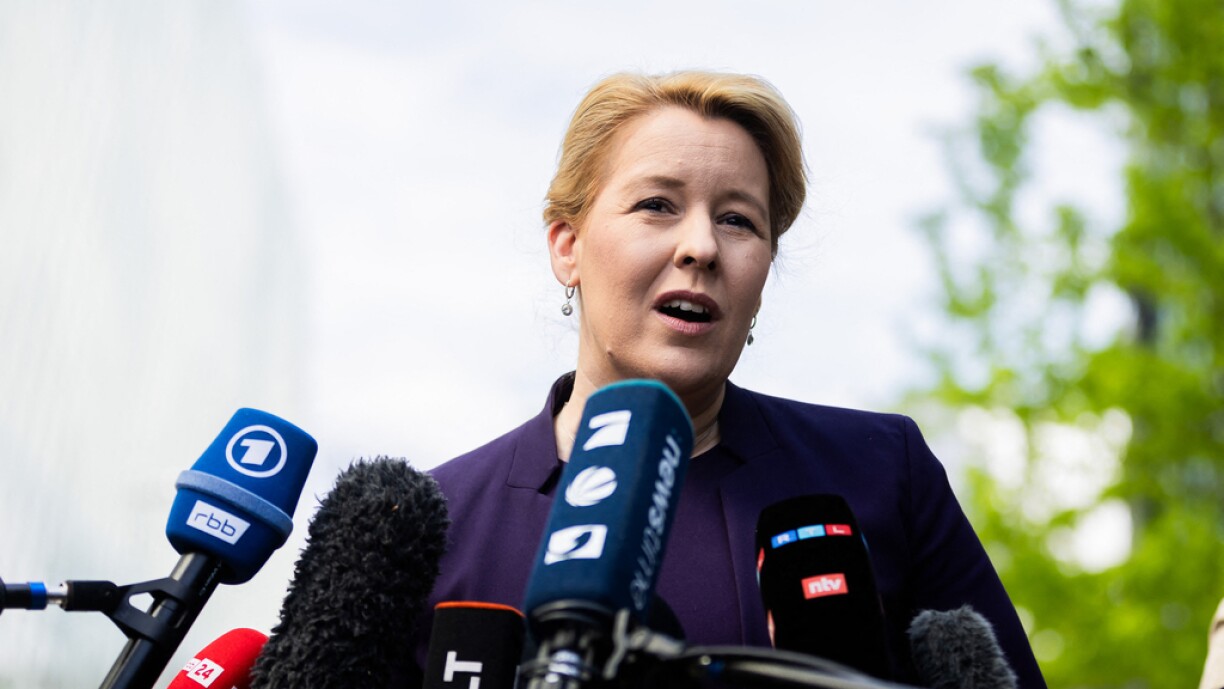
Franziska Giffey, Berlin's former mayor and economy minister of the SPD, was assaulted in a library by a man with a bag containing hard objects, leading to her hospitalisation for light injuries.
The assailant, known for past "state security and hate crimes", was detained and admitted to a psychiatric ward; this incident is part of a broader increase in attacks against German politicians, particularly those from the SPD and the Greens.
These assaults are raising concerns about a growing culture of violence against political figures in Germany, prompting discussions about enforcing tougher penalties for such actions.
Berlin assault – Franziska Giffey, currently serving as Berlin's economy minister and a member of the Social Democratic Party (SPD), was targeted in a violent attack while she was at a library. An assailant approached her from behind and struck her head and neck with a bag containing hard objects. The incident resulted in Giffey being hospitalised with light injuries.
Dire statistics – The attacker, a 74-year-old man previously known to law enforcement for involvement in "state security and hate crimes", was quickly apprehended by the police. Following his arrest, he was admitted to a psychiatric ward.
This incident is part of a disturbing trend, as statistics indicate a significant rise in crimes against politicians in Germany, with such offences increasing from 1,806 in 2022 to 2,790 in 2023.
Stricter penalties – The recent surge in violent acts against politicians in Germany has sparked a broader societal debate on the safety of political figures and the potential erosion of civil discourse. Politicians like Giffey have publicly voiced their concerns over the growing acceptance of such violent behaviours as justified or permissible.
In response, Berlin's current mayor, Kai Wegner, has advocated for the examination of stricter penalties for assaults on politicians, framing such violence as an attack on the foundations of democratic society.
Business & Tech – The EU on Wednesday told digital platform X to explain a cut to content moderation resources, amid concerns over disinformation ahead of European elections in June.
Science & Environment – The dazzling Thai holiday islands made famous by Hollywood film "The Beach" are facing a severe water shortage following a blistering heatwave across Asia, a tourism official and locals said Thursday.https://today.rtl.lu/news/world/a/2066108.html
Entertainment – Police in Toronto were investigating a pre-dawn shooting on Tuesday at the sprawling estate of superstar rapper Drake, located in one of Canada's most exclusive neighbourhoods.
Alleged plagiarism – In a lawsuit filed by US photographer Jingna Zhang against Luxembourg painter Jeff Dieschburg, the court has ruled in favour of Zhang in the second instance.
Defence – Luxembourg has announced a €2.6 billion defence upgrade with the purchase of 59 new military vehicles to bolster the Belgo-Luxembourg battalion by 2030, enhancing NATO's collective defence capabilities amid evolving threats.https://today.rtl.lu/news/world/a/2066108.html
European elections – Smartwielen.lu is helping voters identify which political parties best align with their views ahead of the European elections, addressing the growing shift from traditional campaign methods to digital information platforms.

Your Weekly Recap is published every Friday at noon. Read earlier versions.





