On Tuesday, 7 July, police were alerted late in the morning to a report of an armed assault in a school building in Dreiborn. Given the gravity of the information received, a substantial police presence was dispatched to the reported location. Officers worked swiftly to secure the area and protect anyone who might have been at risk.
After initial inspections, it became clear that the "Biilek" primary school was not the scene of the reported incident. Police then focused their attention on the Centre Socio-Educatif, where units conducted thorough checks and procedures. It was soon confirmed that no armed attack had taken place at all, and that the emergency call had been a deliberate false alarm made by one or more unknown individuals.
This relatively new phenomenon, often associated with the online streaming world and known for its potentially severe outcomes, is referred to as "swatting".
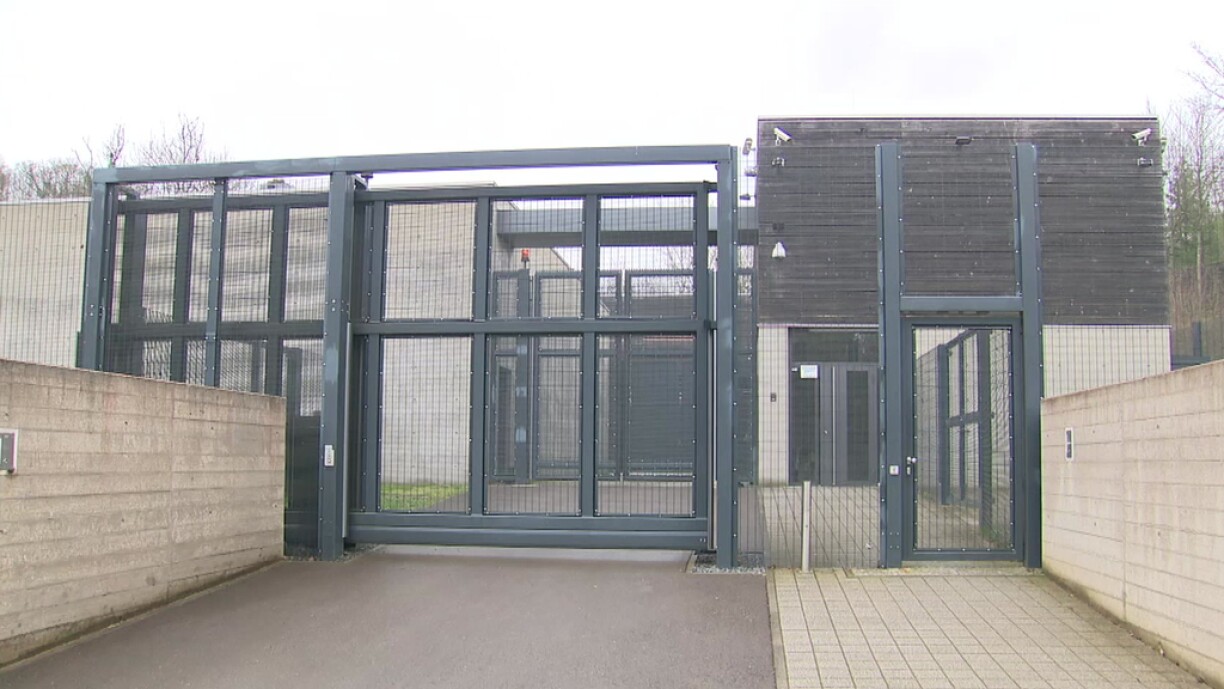
Police investigations quickly led to the identification of two young suspects. As there was no space available at the UNISEC facility at that time, the youth judge ordered that both minors be placed in the Luxembourg Penitentiary Centre in the capital.
The police and the public prosecutor's office have underlined that a false "swatting" alarm of this scale is considered an extremely serious criminal offence. Such actions pointlessly mobilise large teams of police officers and emergency personnel, who could be needed elsewhere for genuine emergencies. Swatting calls also put the emergency services and affected citizens in significant danger, as an urgent and immediate response is required for such reports. Furthermore, false alarms generate concern, insecurity, and sometimes panic among pupils, school staff, parents, and all others involved.
The authorities further stressed that these actions are regarded with the utmost seriousness and must never be dismissed as pranks. Police and prosecutors systematically pursue such cases, making every effort to identify offenders and hold them legally accountable.





