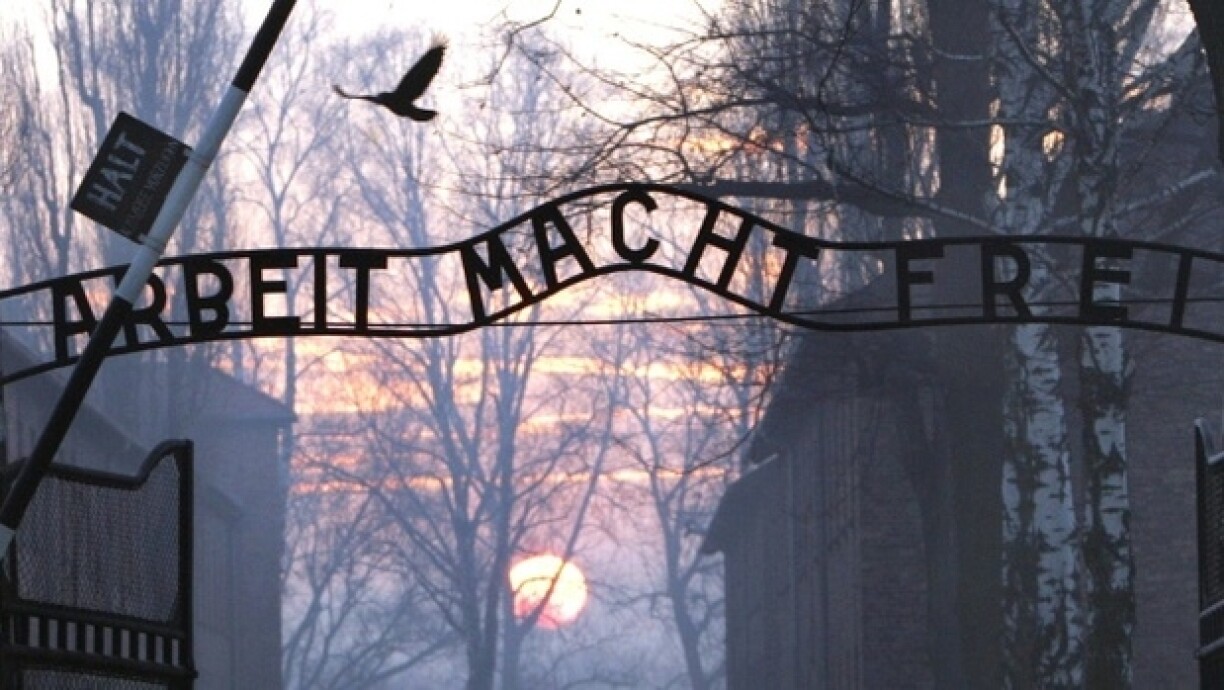
Liberal MEP Charel Goerens established the annual study trip Témoins de la 2ième génération - Second generation witnesses - to the concentration camps in the 1997 European Year against Racism, in order to allow students to see where, and how, nazis brutally murdered up to half a million people.
One of the survivors, 93-year-old Paul Sobol, who was barely an adult when he was deported along with his family in 1944, accompanied the students in order to pass on his experiences to the younger generation.
Kim Schortgen, a Témoins de la 2ième génération committee member, said that it was important to teach young people about the inconceivable atrocities committed, especially considering contemporary political developments in Europe and indeed, across the world.
She continued that students asked the same question every year: how was this possible? And it was a question they also had to ask themselves again and again, albeit without being able to provide an adequate answer. What they could do, however, was come together with young people, think about what kind of thought processes would help them stay vigilant and aware of social developments, and how to react to potentially dangerous changes.
The demand for this kind of educational trip was high, with the organisation declaring that they could even organise multiple trips a year. Schortgen lamented that this was beyond the capacity of their small committee, one made up primarily of volunteers. It was especially unfortunate considering how students' reactions demonstrated the value of the experience.
One week after their trip - a bus journey over 24 hours long - the students comments only confirm its importance, with every single student coming away with a little more knowledge and understanding of the past. And this is exactly the point of these contemporary witness programs.





