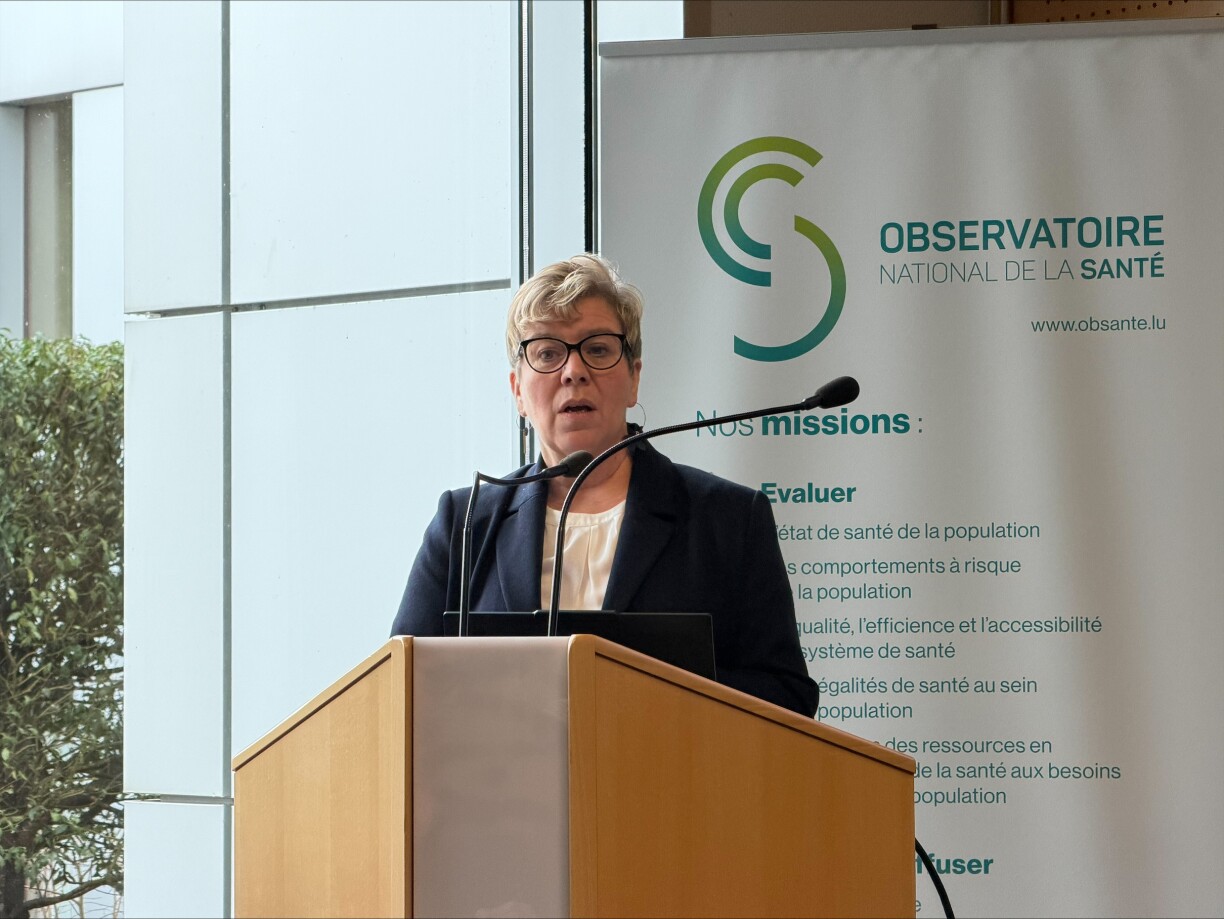
A new report concludes that Luxembourg's healthcare system generally performs well compared to other European nations, citing its efficiency and alignment with population needs as key strengths.
The "Health Profile 2025" for Luxembourg was jointly compiled by the European Observatory on Health Systems and Policies and the OECD, in cooperation with the European Commission and Luxembourg's own National Health Directorate. While noting the system's effectiveness, the report also underscores its high cost to the state. In 2023, 85% of healthcare expenses were publicly funded, placing Luxembourg among the EU countries where out-of-pocket household contributions are minimal.


The analysis reveals a mixed picture on specific metrics. Prevention and treatment outcomes are better than the European average. However, the country hospitalises more patients with chronic illnesses than is deemed necessary, suggesting room for improved care coordination. With four doctors per 1,000 inhabitants in 2023, Luxembourg sits below the EU average for physician density. It fares better in nursing staff, with just over 14 nurses per 1,000 residents. The report also highlights the Grand Duchy's significant investments in digital healthcare as a positive development.
Life expectancy in Luxembourg reached 83.5 years in 2024, nearly two years above the EU average. Nevertheless, physical limitations begin to increase for residents from age 65 onwards. The report addresses demographic trends, noting that Luxembourg currently has the EU's lowest proportion of people over 65, at 15%. This figure is projected to double by 2050, however.
The primary risk factors for mortality remain consistent with broader trends: tobacco and alcohol use, unhealthy diets, and physical inactivity. In 2021, unhealthy lifestyles were responsible for one in four deaths in the country.





