
Here are five things you should know at the end of this week:

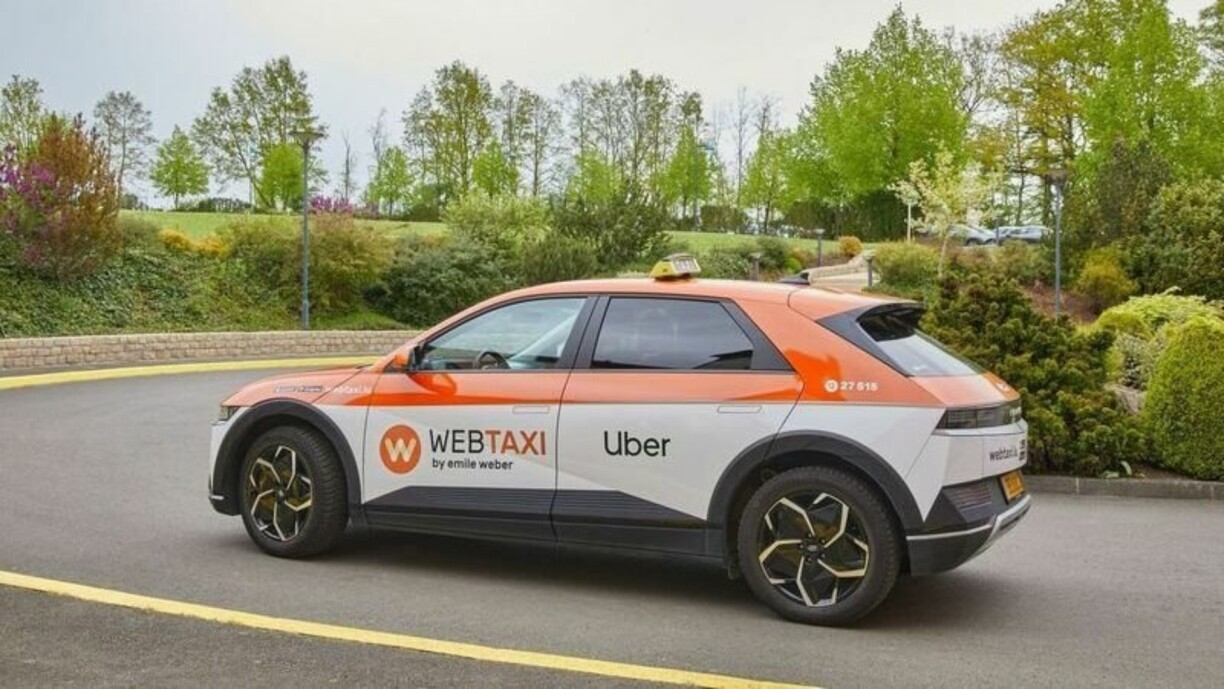
Uber has partnered with WEBTAXI to launch its app in Luxembourg, offering rides exclusively through licensed professional taxi drivers, with competitive pricing and dynamic pricing adjustments.
Official launch – Uber has entered the Luxembourg market through a partnership with WEBTAXI, officially launching the Uber app for local taxi services. This collaboration ensures that only licensed professional taxi drivers will be providing rides, differentiating it from Uber’s usual model that includes private individuals.
The initiative kicked off with a ride by Mobility Minister Yuriko Backes. Uber's pricing in Luxembourg will be dynamic, adjusting based on demand, but due to local regulations and higher salaries, prices are expected to be competitive with traditional taxis. The company is also offering promotional vouchers to attract users.
Local competition – In a swift response to Uber's launch, three Luxembourgish bus companies – Sales Lentz, Demy Schandler, and Josy Clement – introduced LetzRide, a homegrown alternative taxi service. LetzRide aims to compete on pricing and service quality by utilising the fleets and drivers from these companies.
Same as Uber in Luxembourg, LetzRide's platform will not be open to private drivers, ensuring that all rides are provided by professional drivers. This service is designed to offer more affordable options and to keep profits within the local economy.
Catching up – LetzRide's initial phase focuses on offering shared rides, where customers can split the cost of a journey with up to seven other passengers, promoting cost savings and reducing the number of cars on the road. This feature is particularly aimed at providing an economical and environmentally friendly alternative to traditional taxi services.
The second phase, set to launch soon, will include individual ride bookings in partnership with a national taxi operator, expanding the range of services available to customers and further enhancing the competition in Luxembourg’s transportation sector.

Luxembourg's government unveiled a new housing action plan aimed at eliminating red tape and resuming construction, including standardising procedures and abolishing the Environmental Impact Assessment (EIE).
Despite concerns about the rollback of environmental regulations, the plan includes compensation measures, such as requiring sustainable ecological elements in new neighbourhoods.
The plan includes a new public-private partnership for affordable housing, though some measures will not be implemented until 2025 and still require legislative approval.
Streamlining procedures – The government has introduced a new action plan to address the critical housing shortage by eliminating bureaucratic obstacles and accelerating construction processes. Key elements of the plan include standardising procedures for the General Development Plan (PAG) and Special Development Plan (PAP), simplifying building regulations, and abolishing the Environmental Impact Assessment (EIE).
This initiative aligns with the demands of developers and builders for administrative simplification, potentially benefiting the construction sector by reducing costs and speeding up project timelines.
Environmental concerns – In response to concerns about the potential rollback of environmental protections, Environment Minister Serge Wilmes assured that the goal is to streamline essential nature protection procedures while compensating for the elimination of certain regulations.
The plan mandates the installation of sustainable ecological elements on at least 10% of the surface area of new neighbourhoods. However, doubts persist about whether this will adequately offset the impact of abolishing regulations that currently protect biotopes, require site surveys, and manage construction waste.
Long-term planning – A significant component of the housing action plan is the introduction of a public-private partnership for affordable housing, as part of the government's VEFA acquisition programme (vente en l'état futur d'achèvement, or "sale in future state of completion").
This initiative includes pilot projects on private land, with a focus on "guaranteed" success. However, the effectiveness of this partnership remains to be seen, as several measures will not be implemented until the end of 2025 and require approval from the Council of State and the Chamber of Deputies, indicating a lengthy legislative process ahead.

Luxembourg leads the eurozone in the proportion of working poor, with 14.7% of its workforce at risk of poverty in 2023, a significant increase from previous years, according to a new report from the Chamber of Employees.
While PM Frieden recently emphasised the link between employment and social benefits, the Chamber's report highlights the inadequacy of this approach, noting high poverty rates even among full-time workers.
The Chamber recommends reevaluating the minimum wage, exempting income tax up to the qualified minimum wage, and providing additional tax relief for modest incomes to improve living standards and address labour shortages in essential sectors.
Worrying trend –As of 2023, 14.7% of Luxembourg's workforce is at risk of poverty, marking a significant increase from 12.4% in 2022 and a 45% surge since 2017. This rate is nearly double the eurozone average and higher than in countries like Bulgaria, indicating a worsening trend despite economic growth and stability in other European nations. The high rate of working poverty suggests systemic issues within the labour market and social support systems in Luxembourg.
PM contradicted – In his recent State of the Nation address, Prime Minister Luc Frieden highlighted the importance of making work profitable and maintaining a strong connection between employment and social benefits. However, the Chamber of Employees' report contradicts this optimistic view, pointing out that even full-time employment often fails to prevent poverty. The report reveals that households with members working over 34 hours a week have poverty risk rates twice the European average, and the risk is particularly high for individuals under 18 in these households.
Proposed countermeasures –To address the growing issue of working poverty, the Chamber of Employees suggests three key policy changes: reevaluating the minimum wage, exempting income tax up to the qualified minimum wage, and providing additional tax relief for modest incomes.
These measures aim to make Luxembourg more attractive not only for highly qualified professionals, but also for essential workers in sectors like commerce, catering, construction, personal services, social action, and cleaning. These fields are increasingly experiencing labour shortages and often fail to provide a decent living standard, highlighting the need for systemic reforms to support all workers.
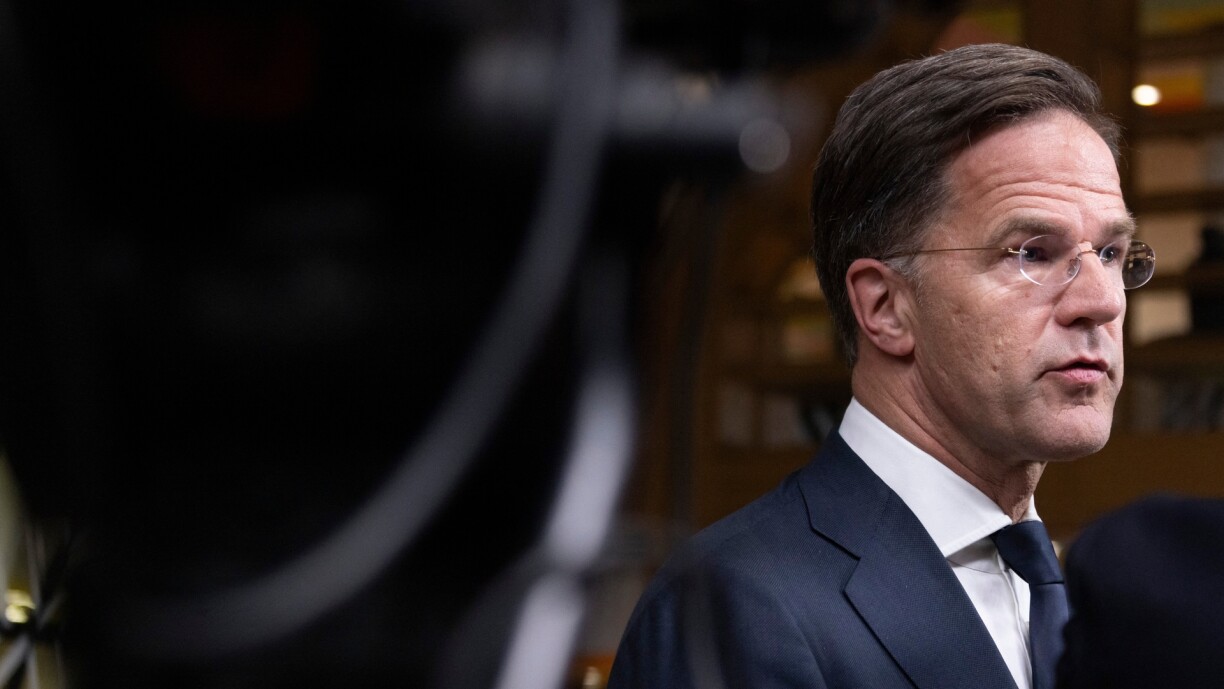
Mark Rutte, the outgoing Dutch PM, is set to become the next head of NATO, taking over from Jens Stoltenberg on 1 October after securing broad support from key member nations and overcoming opposition from Turkey and Hungary.
Rutte's leadership comes at a critical time for NATO, with ongoing challenges such as the war in Ukraine, potential shifts in US policy if Donald Trump is re-elected, and the necessity for increased defence spending among member countries.
He will also need to balance NATO's focus on traditional Euro-Atlantic threats with increasing attention to the rising influence of China and its partnership with Russia.
Opposition overcome – Mark Rutte's appointment as NATO's new head follows a strategic diplomatic effort that saw him garner support from major allies such as the United States, Britain, France, and Germany. His candidacy faced initial resistance from Turkey and Hungary, which he overcame through careful negotiation, including a visit to Istanbul and a deal with Hungary's Viktor Orban.
Rutte's extensive experience as Dutch PM, combined with his ability to navigate complex political landscapes, played a pivotal role in securing his new position.
Challenges on all fronts – As Rutte steps into his role, NATO faces a multitude of challenges. The ongoing conflict in Ukraine demands sustained military and financial support from NATO members. Additionally, the upcoming US presidential election, with the possibility of Donald Trump's return, poses a risk of policy shifts that could weaken US involvement in NATO.
Rutte will need to ensure that all member countries meet their defence spending commitments to maintain NATO's readiness and effectiveness.
Intercontinental alliances – Beyond the immediate threat posed by Russia, Rutte's leadership will be tested by the growing strategic challenges from China. NATO, traditionally focused on Euro-Atlantic security, must now address the implications of China's expanding influence and its collaboration with Russia.
This includes strengthening alliances with countries in the Asia-Pacific region, such as Japan, South Korea, and Australia, while ensuring that NATO's primary focus on European defence remains undiluted. Rutte will need to adeptly manage this balancing act to safeguard NATO's strategic interests globally.
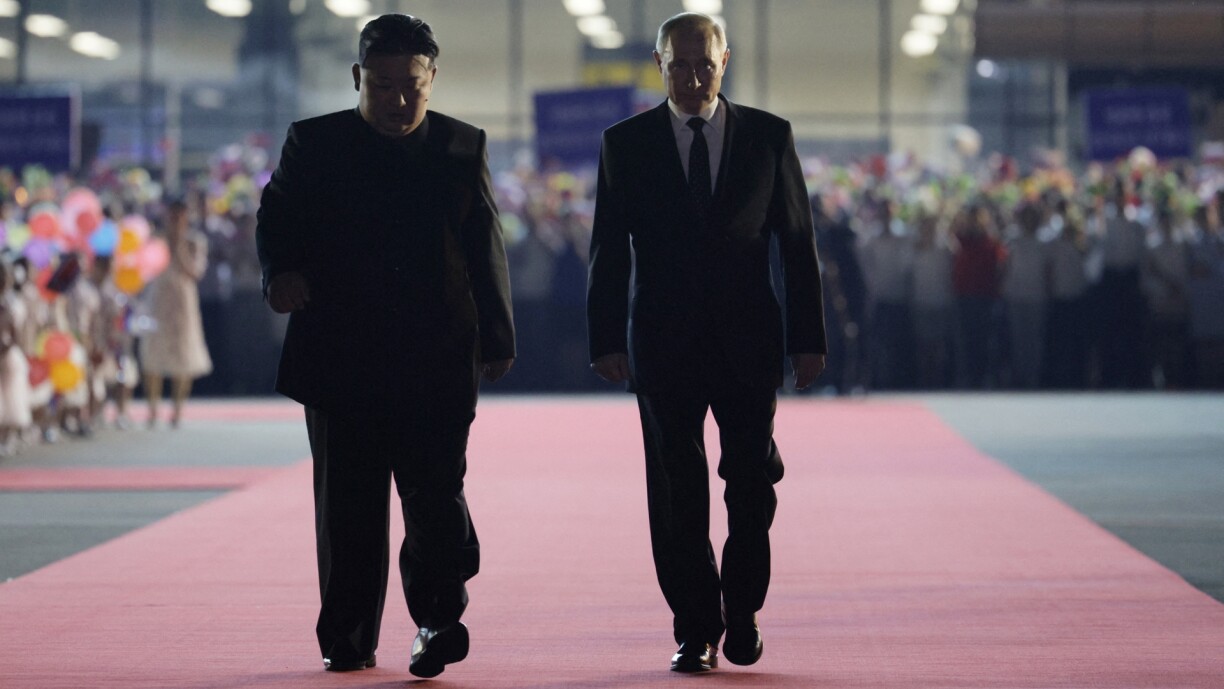
Russian President Vladimir Putin and North Korean leader Kim Jong Un signed a mutual defence agreement in Pyongyang, solidifying military cooperation and pledging mutual assistance in case of aggression.
The treaty has raised international concerns about potential violations of UN sanctions, with accusations of North Korea supplying arms to Russia for its war in Ukraine and threats of further arms exchanges.
In response to the agreement, South Korea has expressed grave concern, considering revising its arms supply policy to Ukraine, while the US warned of potential destabilization in the Korean peninsula.
Agreement signed – During a summit in Pyongyang, Russian President Vladimir Putin and North Korean leader Kim Jong Un signed a landmark mutual defence agreement, marking a significant deepening of their strategic partnership. This agreement includes a clause for mutual assistance in case of aggression against either country, signalling a stronger military alliance.
The meeting, highlighted by ceremonial events and personal gestures of goodwill, underscores the growing ties between Russia and North Korea amid global geopolitical tensions.
Regional stability threatened –The signing of the treaty has sparked international concerns over potential violations of United Nations sanctions, particularly regarding the alleged supply of North Korean ammunition and missiles to Russia for its ongoing war in Ukraine.
The agreement has intensified fears of increased arms deliveries between the two countries, which might further complicate international efforts to curb military support to Russia. The US and its allies have expressed unease, viewing this cooperation as a threat to regional and global stability.
Potential policy shift – In reaction to the defence agreement, South Korea has voiced significant concerns, summoning Russia's ambassador to Seoul and urging Moscow to adhere to UN Security Council resolutions. This development has prompted South Korea to reconsider its longstanding policy of not supplying arms directly to Ukraine, highlighting the potential for a shift in regional security dynamics.
Business & Tech – Frank McCourt, a US real estate billionaire, aims to buy TikTok to rescue the internet from the clutches of major platforms that he firmly believes are destroying society and endangering children.
Science & Environment – Astronomers have been able to observe a supermassive black hole waking up and setting the heart of its host galaxy alight for the first time, the European Southern Observatory said on Tuesday.
Entertainment – Pop star Justin Timberlake was arrested on charges of driving while intoxicated in a chic town east of New York City, and spent the night in jail before being arraigned and released, local officials said Tuesday.
Sigh of relief – A week-long chase for wallaby Sammy came to an end on Wednesday night as the escaped animal was caught and – perhaps only momentarily – returned to its owner.
German border checks – In response to significant traffic disruptions caused by Euro 2024 border checks, Minister Gloden announced an agreement with German authorities to discontinue checkpoints on border bridges.
Pandemic legislation – The government is seeking to extend the Covid-19 law for an additional two years, covering the handling of data, the use of face masks in specific situations, and vaccinations administered at pharmacies.

Your Weekly Recap is published every Friday at noon. Read earlier versions.





