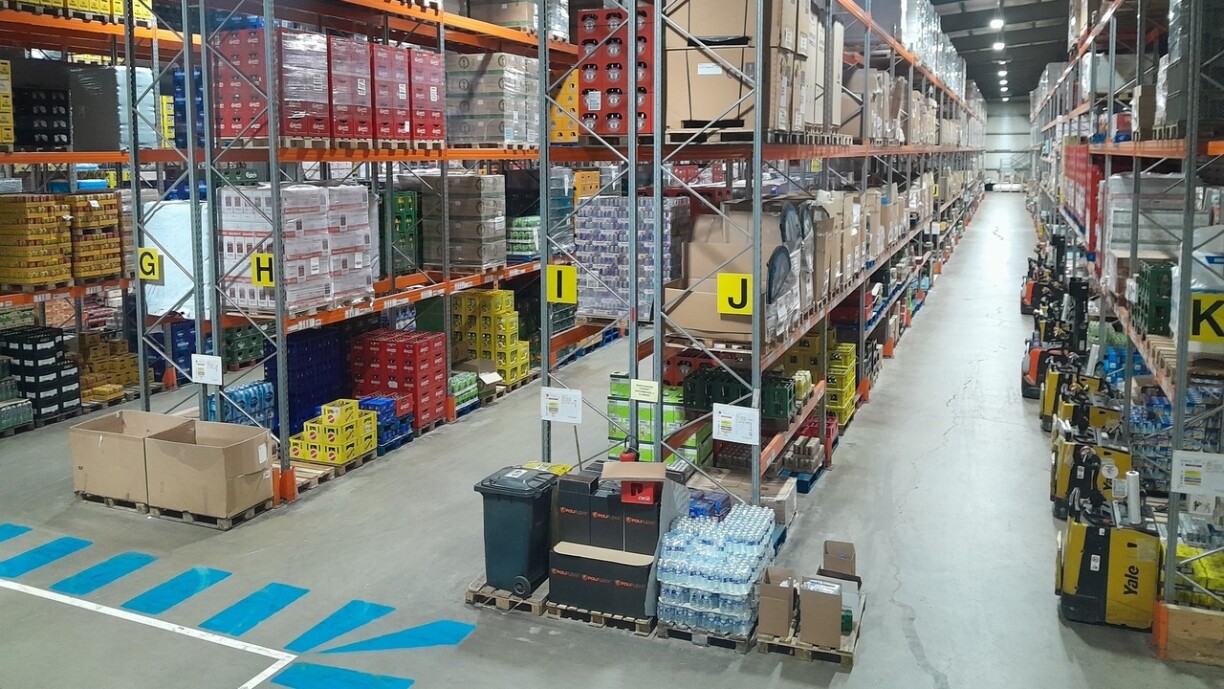
It is the first time the EU Commission has examined a merger of two regional actors, whose combined turnover is below 130 million euros. This is due to the fact that the Luxembourg Competition Authority requested a referral, citing the potential effects the merger would have on the national market and trade abroad.
President Pierre Barthelmé of the Luxembourg Competition Authority says that the Grand Duchy has no existing regulations on merger control, i.e. preventing a possible monopoly position by a company. Nevertheless, this would be problematic if it led to restricting competition on the market. Clearly the Luxembourg Competition Authority saw a possible danger here, and requested a review. Barthelmé emphasises that a review by the commission can also turn out positively for the companies.
The general director of Munhowen, Isabelle Lentz, suspects complaints by a competitor. While she has not named a company, it is presumed that AB InBEV, the largest brewery group in the world which also includes Diekircher, filed a complaint against the merger. AB InBEV has 200,000 employees and a turnover of 54 billion euros.
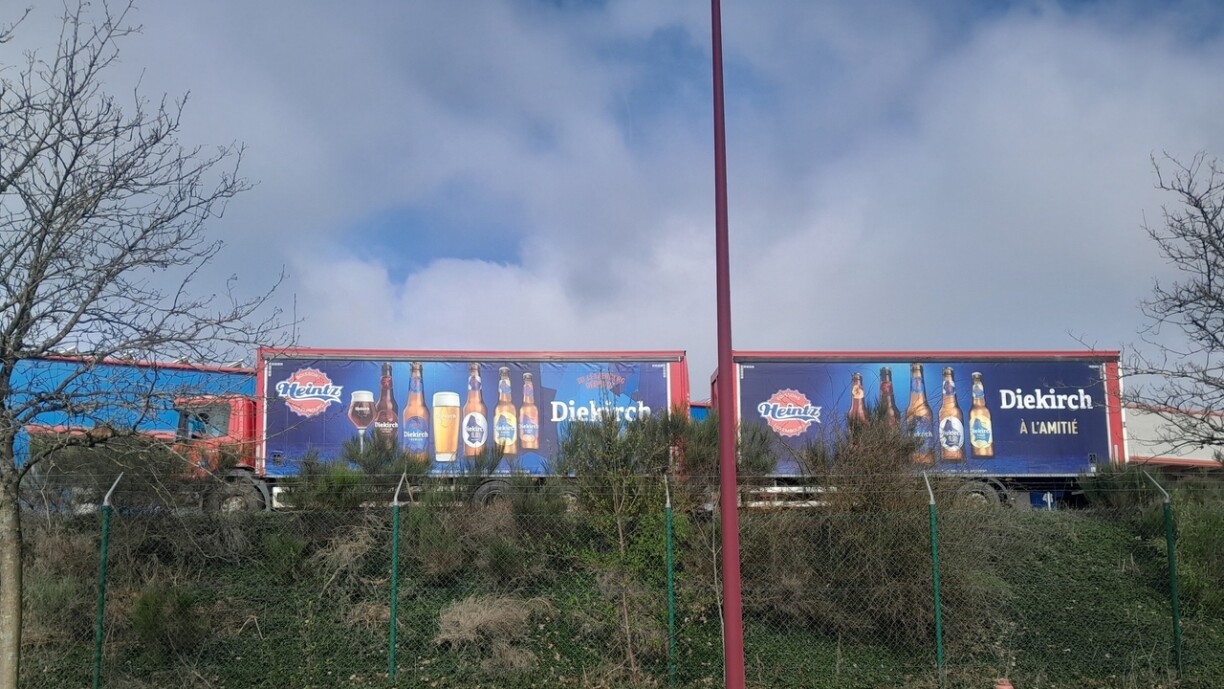
Simon Brewery, another large brewer in Luxembourg, does not want to reveal whether it was part of the parties filing a complaint, but can understand the step.
"The Diekirch brewery basically had a bigger alliance with Boissons Heintz, they were also part shareholders there. If Heintz is no longer independent, but becomes Munhowen, I think Munhowen's biggest interest is to sell the beers that they produce themselves. So that there is probably an attempt to replace the Diekirch market with that of the beers from Munhowen," says Simon Brewery general director Betty Fontaine.
The new company would cover 80 to 85 percent of the market, which would also affect the hospitality sector and the end consumer. RTL asked for a comment by the Diekirch Brewery, but received no response.





