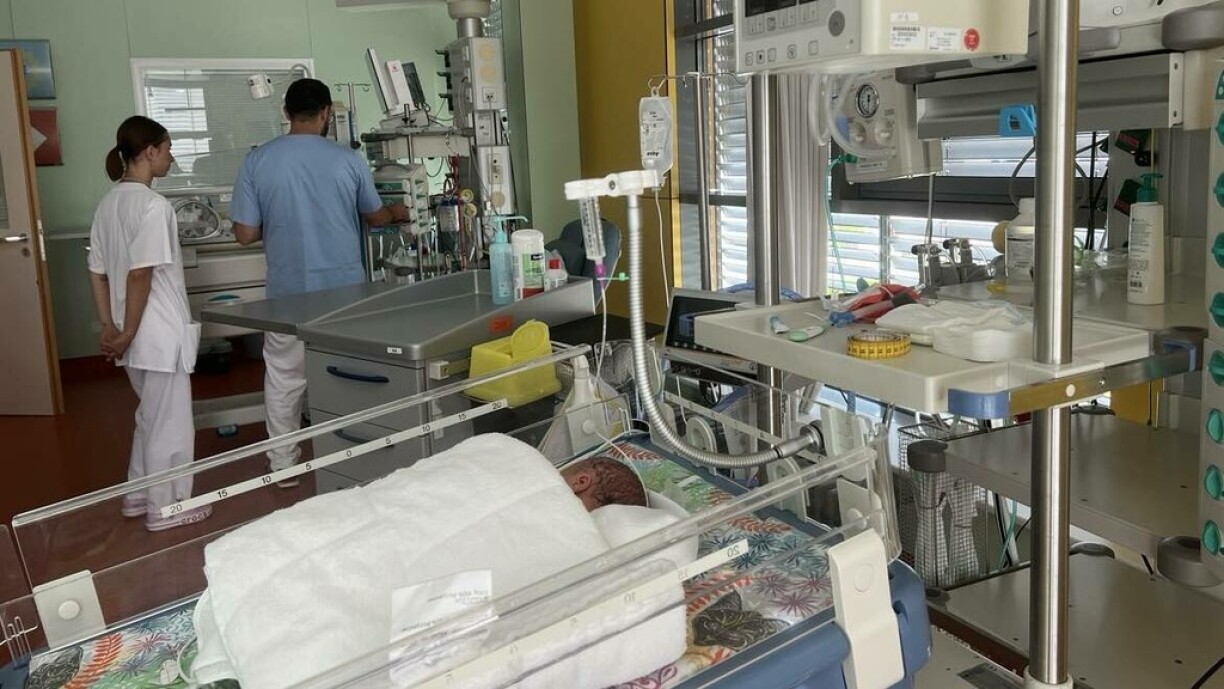

A common issue in Luxembourg, widely acknowledged by citizens, revolves around the prolonged wait times for medical appointments.
In order to speed up care for patients, a number of political parties mention the improvement of primary care in their election programmes. The Greens (Déi Gréng) argue in favour of creating local multidisciplinary medical centres, while the LSAP promises that "collaboration between these medical centres and hospitals would be encouraged to ensure continuity of care during specific times, and to simplify the process of making appointments." Déi Lénk says these medical centres should be "fully public in neighbourhoods with more than 1,000 residents, providing free and varied healthcare. We will also promote pre- and post-operative patient care at home with services agreed with public hospitals," in order to relieve pressure on hospital services.
However, Liberté – Fräiheet! advocates for increased access to private healthcare, arguing that "only through strengthening private practices can we guarantee an increase in the number of doctors (despite an EU-wide shortage!) who practice liberally, from general practitioners through to internists and specialists."
The Pirate Party wants "extended opening hours to relieve hospital emergency departments," and insists on putting an end to the "decline in the number of hospital beds."
The DP says that "more than 80% of medical services today can be provided outside of hospitals," thanks to the advantages of ambulatory medicine. "Patients don't need to travel as far or wait as long, so they have better access to medical services, particularly for those living in rural areas. This relieves pressure on hospitals, leaving them free to concentrate on emergencies or complex surgeries."
The Greens also promise to "evaluate the pilot project on extending hospital MRI opening times, and if necessary, extend it to other diagnostics such as mammography."
The CSV says it will "support the creation of more out-of-hospital medical practices equipped with sophisticated devices such as MRIs," as well as "massively" developing ambulatory medicine.
The ADR calls for a "top to bottom" modernisation of Luxembourg's healthcare sector, adding that the care available must be expanded - a demand that is repeated across all parties' electoral programmes in the run-up to the election.
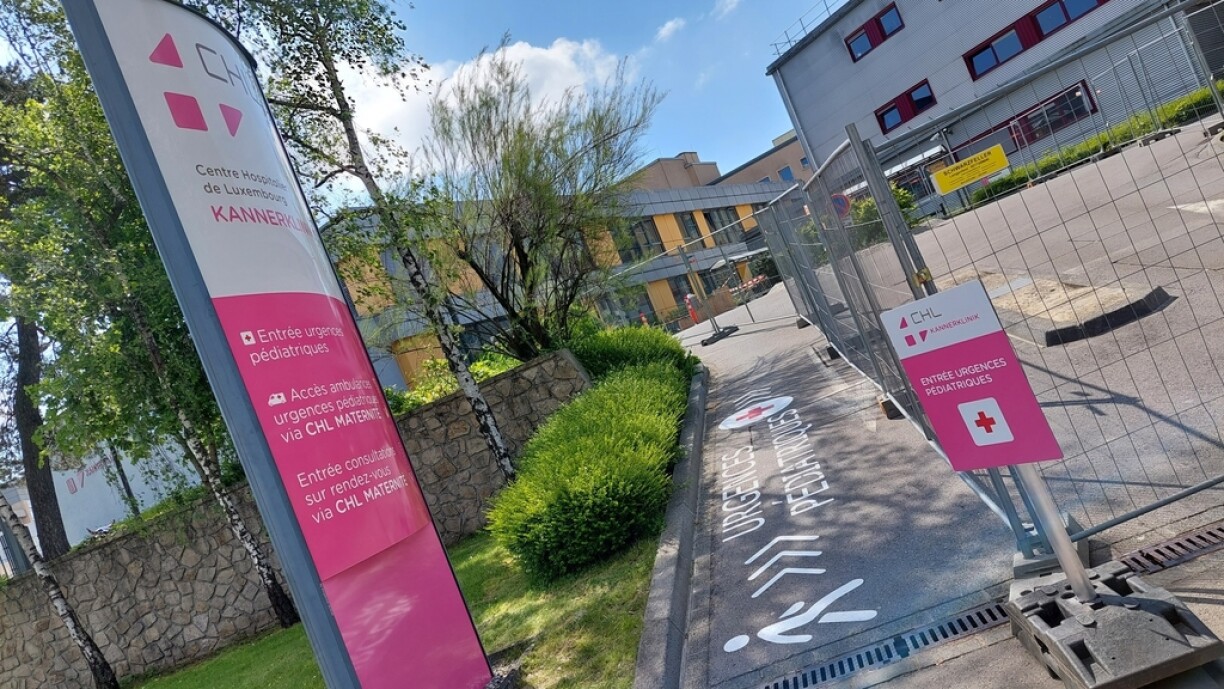
The LSAP highlights the lack of paediatricians in particular, promising to develop paediatric care capacity in northern Luxembourg, as well as investigating the possibility of creating a paediatric healthcare centre in the south. "We will expand the 'Kannerklinik' paediatric hospital to increase its capacities," the party continues.
In the same vein, Volt encourages decentralisation of Luxembourg's healthcare: "The big hospitals such as Kirchberg or the CHL serve people in the city. Paediatric clinics, maternity wards, out-of-hours emergency departments - all of this is lacking outside of the capital. We therefore demand the construction of at least one large central hospital in the north/east of the country, so residents aren't constantly travelling to the capital."
The KPL calls for "the maintenance and expansion of existing general hospitals in regional areas such as Niederkorn and Wiltz, as well as the creation of a regional hospital in Grevenmacher and a polyclinic in Redange." The party also acknowledges the need for expanded paediatric care in the country.

Despite Luxembourg's prosperity, the coronavirus pandemic highlighted the healthcare sector's structural weaknesses, particularly the high dependence on cross-border staff. "When France closed its borders, there was a real risk of the health system collapsing," recalls the LSAP, which plans to implement a new recruitment strategy to attract the best professionals.
Déi Gréng agrees: "We must improve the financial appeal of hospital medicine," the Green Party says, "but also by modernising working conditions to make them more family-friendly, and providing a better work-life balance." The party also suggests a series of measures aimed at improving healthcare studies and training in Luxembourg.
The CSV says a "real national recruitment strategy" is required to make Luxembourg more attractive to professionals. The party claims it is necessary to support private activity through "offering more freedom for self-employed doctors". It also encourages strengthening the role of GPs.
The DP proposes the creation of residences aimed at hospital employees who are still undergoing training or carrying out short-term internships in clinics. "It could also be used for staff who must temporarily make long or tiring commutes to their place of work," the party says, referencing a recurring issue in the Grand Duchy.
Déi Lénk, on the other hand, wants to focus above all on public service. "We aim to have fully state-employed staff in public hospitals, medical centres, multidisciplinary clinics and other branches." In order to increase salaries, the Left suggests introducing a coefficient in the pricing for procedures, which should take into account the complexity and arduousness of hospital work. It also recommends reducing the administrative burden for nursing staff to address the personnel shortages.
The ADR repeats the main requirements for improving the appeal of the healthcare sector, but also distinguishes itself through the party's position on the pandemic. The party says it expressed itself "very clearly against mandatory Covid vaccinations and demands it be removed from sectors where it was introduced." In particular, the party mentions healthcare staff who may have "suffered professional disadvantages due to their vaccine status."
Much like Fokus and others, the Pirates advocate for the creation of a "university hospital to train students and offer patients the best care."





