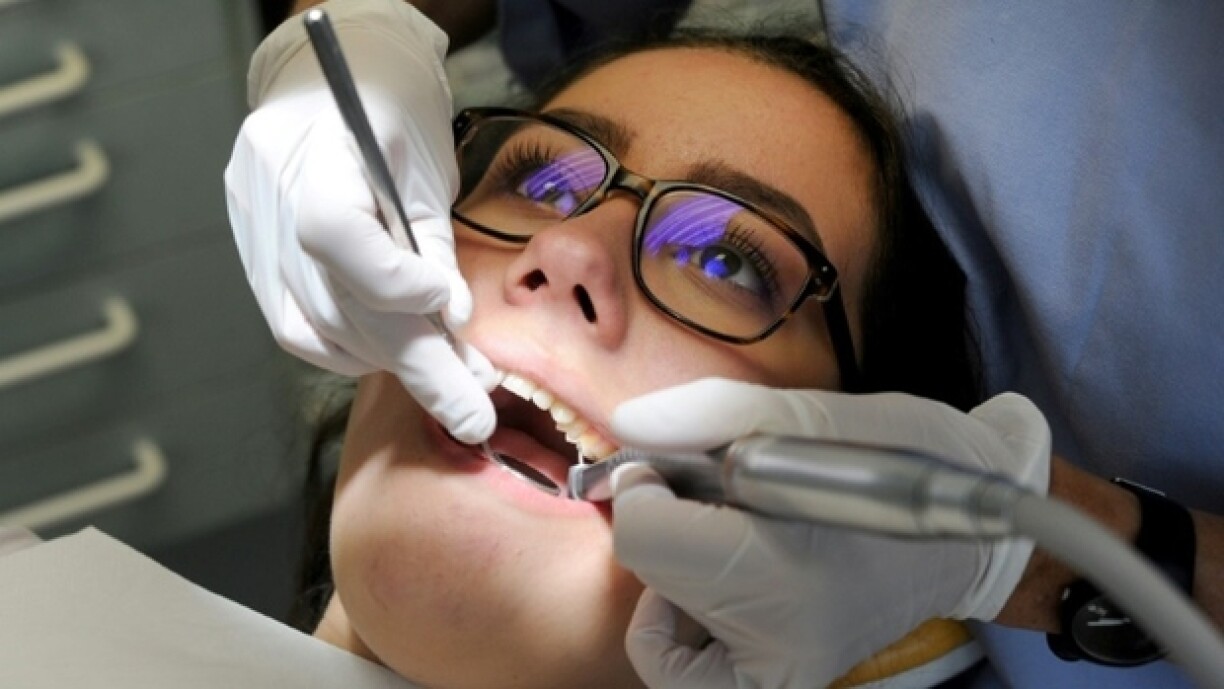
Lower costs, shorter waiting times and even "all-inclusive packages" covering accommodation and transport are among the main reasons why patients seek treatment abroad. However, this can quickly lead to problems: Patient representatives are in particular warning against medical tourism, where risks, follow-up care, and the legal or financial consequences for patients are often underestimated.
Medical treatment abroad is not a problem in itself, says Georges Clees from the patients' rights association Patientevertriedung. In many cases, decisions are well considered – for example because of distance, price, or long-standing treatment relationships. These situations fall under what is known as “patient mobility”. Problems arise, however, when medical treatment becomes a commercial business.
Low prices and so-called all-inclusive offers are often used to attract patients, Clees explains, without clearly outlining what happens if complications occur after the treatment.
"We see people who come back after something has gone wrong and don't know how to fix it", he says. "They go to a dentist here and are told that there is nothing to be done. Then, they're left with the problem and have to travel back abroad, this time without a package, to try to resolve it."
That is not always straightforward. In Luxembourg, doctors are not obliged to provide follow-up care or deal with complications resulting from treatments carried out abroad.
"In some cases, patients would have to go back abroad, take legal action, appoint an expert, and face potentially very high follow-up costs", Clees explains. "And before an expert has assessed what went wrong, the problem often cannot be corrected – otherwise responsibility can no longer be clearly determined. That's why a dentist here might refuse to intervene."
From the patient representation's perspective, the best solution would be for patients to be able to access treatment in Luxembourg at an affordable price.
"The nomenclature needs to be reviewed and updated so that treatments which are currently not reimbursed are covered", Clees says. "For others, reimbursement rates should be increased, so people can simply go to the dentist here."
In the meantime, the patients' rights association strongly advises anyone considering treatment abroad to inform themselves thoroughly – not only about the price, but also about quality standards, follow-up care and their legal rights.





