The Cercle de Coopération (the platform for Luxembourgish NGOs active in international aid) commissioned market researcher TNS-Ilrs to query respondents on their donating habits. One of the main conclusions from the survey shows that young people tend to support cultural causes whereas those aged 65 and above are more likely to donate towards urgent aid.
The study reveals a number of interesting conclusions for Luxembourgish NGOs, particularly in the context of the discussion surrounding the influx of donations made towards renovating the Notre-Dame Cathedral in Paris.
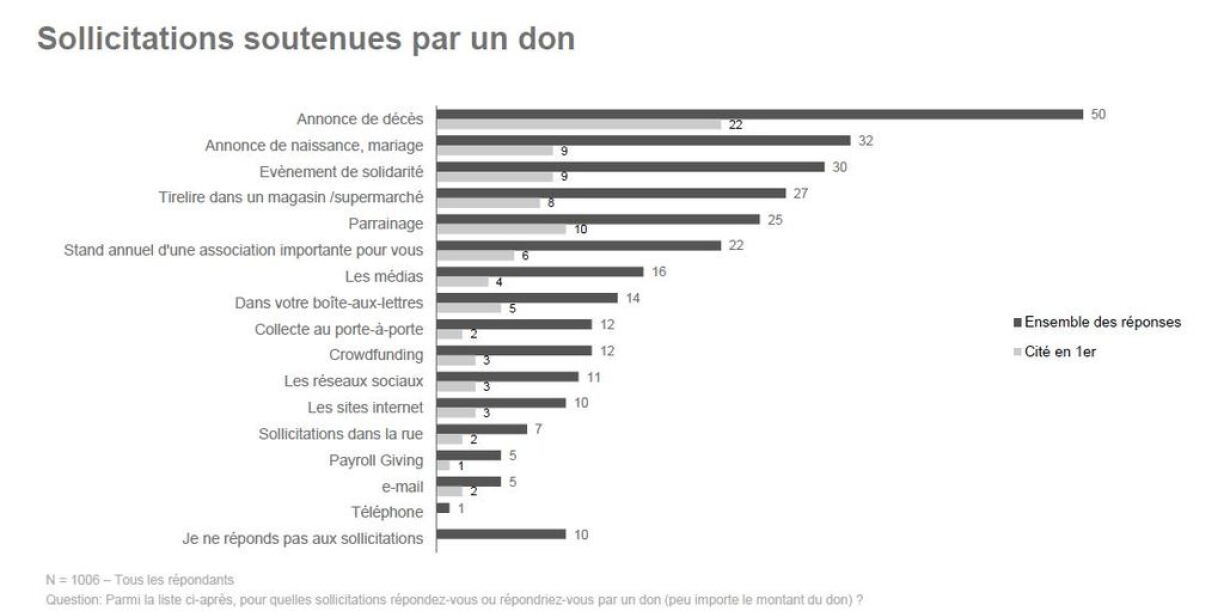
The study, which surveyed around 1,000 individuals in Luxembourg, also revealed divergences in how different generations donate. The majority of younger people tend to donate cash and usually do so based on events or calls for donations solicited over social media, in contrast to the elderly. The latter will often donate via bank transfers and often do so upon the initiative of obituaries.
The two groups also had diverging opinions concerning NGO communications. Older people donating prefer to receive information about the NGO's activities only once a year, whereas younger people prefer updates once per quarter.
TNS-Ilres's research revealed the most popular causes that individuals donate to in Luxembourg. At the top of the ranking is emergency help in natural catastrophe situations, followed by cultural causes, animal protection, environmental causes, access to health services, and finally, access to education.
The majority of donors are mainly solicited by adverts, which is then followed by charity events, collection boxes, in shops, and in parishes. Knocking on doors to solicit charitable donations and payroll giving remained unpopular in comparison to other methods.
The study also queried those who claim not to donate. 46% of those respondents who do not donate cited their reasoning as distrust in how NGOs manage their finances. A third of these respondents do not donate because they do not have the means too.
Interestingly, five out of ten people maintained they would donate more if an NGO specifically asked for them to donate a higher amount. Three out of four respondents also maintained that the proportion of the donation going towards the NGO's administrative fees should not exceed 10 per cent of the donation.
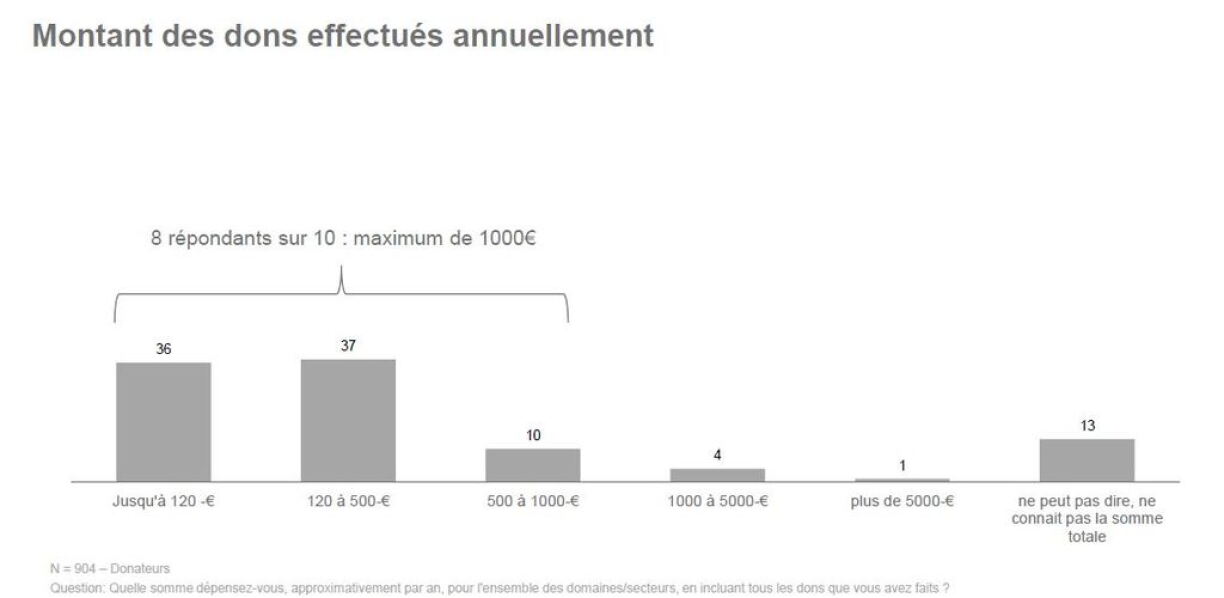
Finally, the study also queried respondents on how much they donate. Eight of ten respondents said they donate a maximum of €1,000 a year. As a result, Luxembourg shows its donating habits as generous and with a significant amount of trust in NGOs. The study also concluded that there are new tendencies developing amongst younger individuals which should be considered by the NGOs forming the Cercle de Coopération.