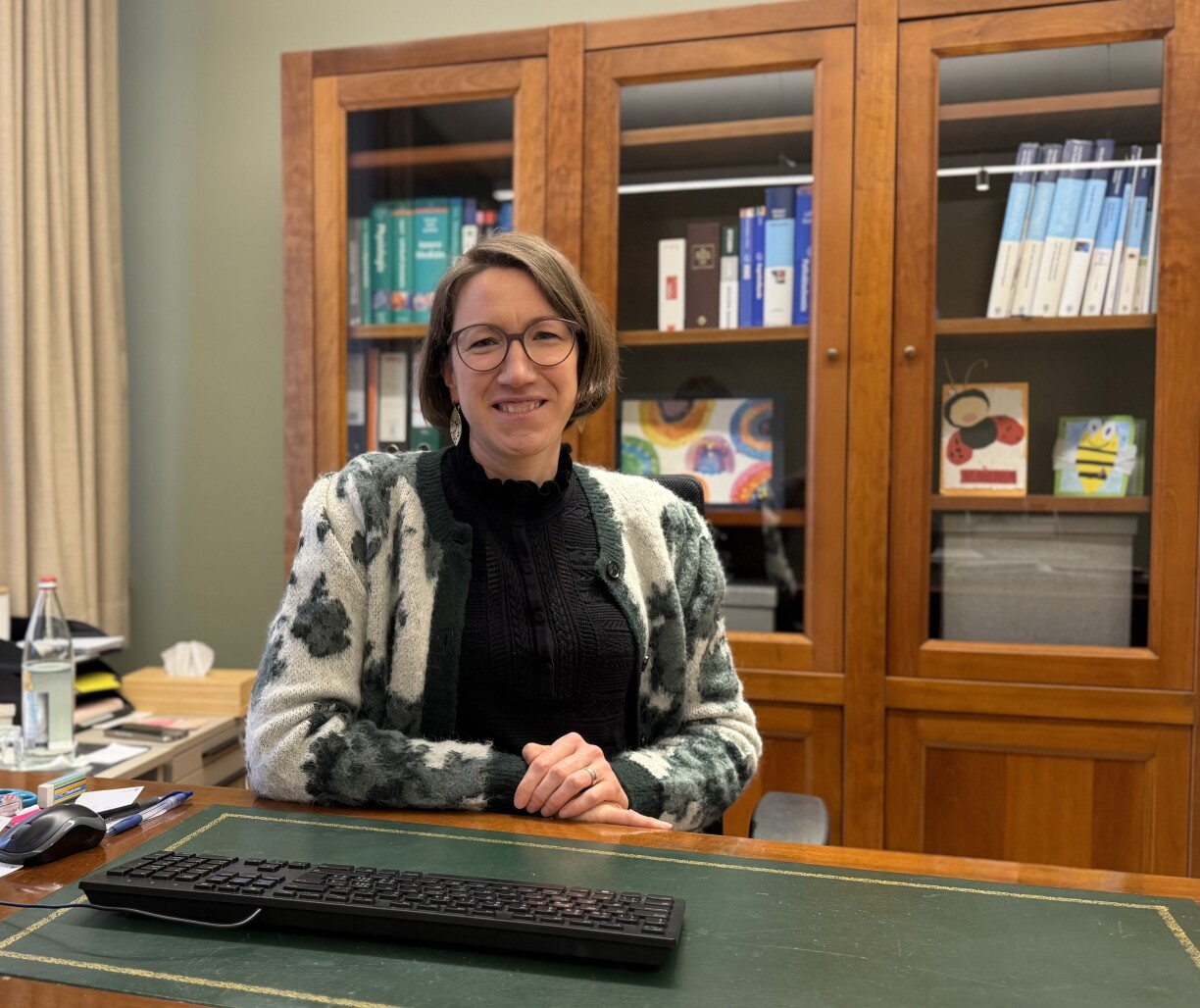
Chronic illnesses such as diabetes, cardiovascular disease or obesity are just some of the consequences of a sedentary lifestyle. But regular exercise can help to prevent these conditions. This has inspired the latest pilot project launched by the Ministry of Health, which will see specially-trained doctors permitted to prescribe "physical activity" to their patients, with exercise programmes tailored to their physical abilities as part of their treatment.


The concept of the "physical activity prescription" is aimed at people with chronic illnesses, for whom regular activity could be an important part of their treatment. These people will be able to obtain the prescription from their GP, who will write up a detailed report on their physical condition, explained Dr. Joëlle Kirschten. The patient must fulfil certain criteria to qualify.
"In theory, this will apply to patients with oncological illnesses, or diabetes, cardiovascular disease. We will be able to prescribe sport. Currently they will be able to register with 'Flass', an organisation which can advise them and offer several courses where patients can perform guided sporting activities."
Patients will have a month from the prescription date to register with FLASS, the Luxembourg Federation for Sport Health Associations. Keeping active is good for everyone, emphasises Dr Kirschten. Whether it is doing sport for a short time every day, or even just walking faster, increasing exercise can reduce mortality risks by 15% and improve quality of life as well as mental health.
"Many studies have shown that the three patient groups we are targeting in particular will benefit from staying active. Often patients are afraid to practise sport due to their illnesses, such as heart issues. But if they are active and build muscles, they will feel better on a daily basis and their life expectancy increases."
GPs will have to complete special training in order to be able to prescripe physical activity to their patients. As of the end of 2025, 73 doctors had completed the training. While this completes the pilot project, if there is sufficient demand then further training can be organised in future to add more GPs to the project.





