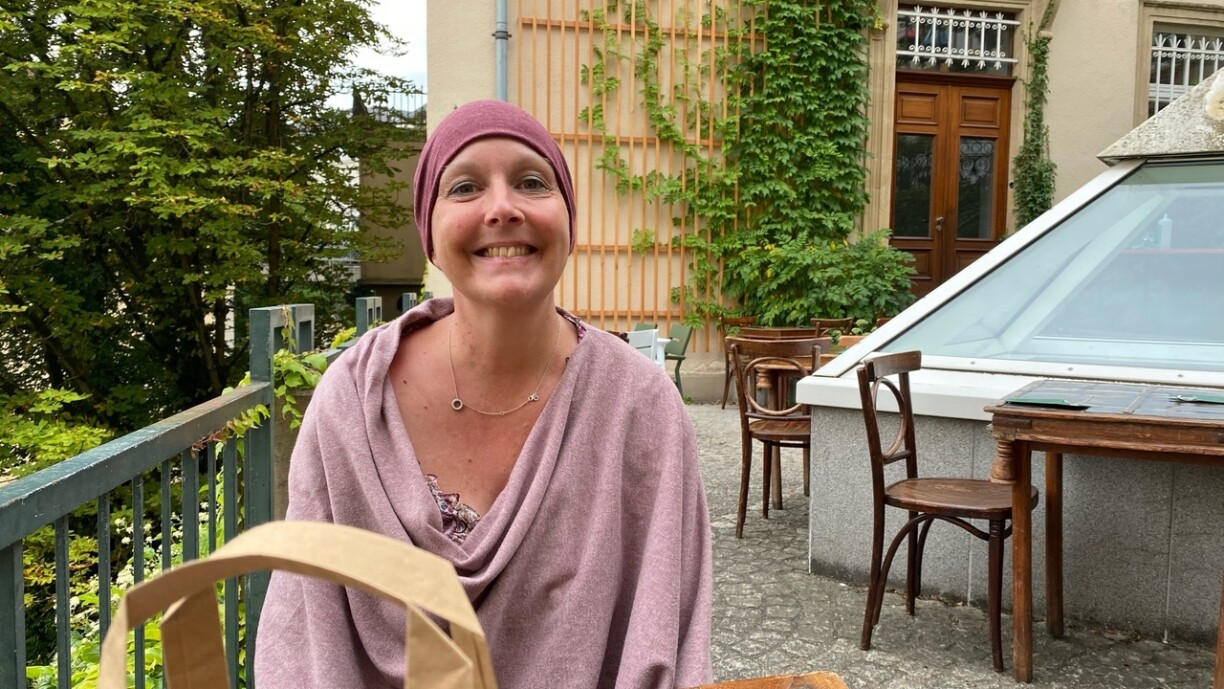
Nadine Everling works at the ZithaKlinik in the operating wing. The 53 year old is the head of the anaesthetists team and has been working at the hospital for 35 years. During that time, she worked with sick patients every single day, until six months ago when she herself became a patient diagnosed with leukaemia. "When it hits you it's completely different," explained Nadine, "I was petrified."
Nadine has led a fairly healthy lifestyle, no smoking or drinking, plenty of exercise and no family history of leukaemia. But nothing she did could have protected her from leukaemia. In October 2021, Nadine in fact diagnosed herself when she discovered petechiae, red-blue dots, on her legs. "I was pretty sure of what this means," Nadine shared. Her medical background may have prepared her in identifying the symptoms, but it did not prepare her on how to handle the diagnosis emotionally.
"You do everything but react rationally, I became the patient, with all the sensations and feelings that come with that."
In these challenging times, her family and friends were her rock. In particular, her sons Frédéric and Maurice saved her life Nadine said in her own words. Maurice well and truly saved her life as he donated life-saving stem cells to his mother Nadine.
According to Maurice: "When the call came that I or my brother could be potential donors, I didnt have any second thoughts. It was clear to me that I have to come back to Luxembourg and help mum. End of the story."
For the stem cell donation, three people could be considered: Nadine's sister, and her two sons. Just like winning the lottery, Nadine said: "Through Maurice's stem cells, I got a second chance at life and I am eternally grateful to him."
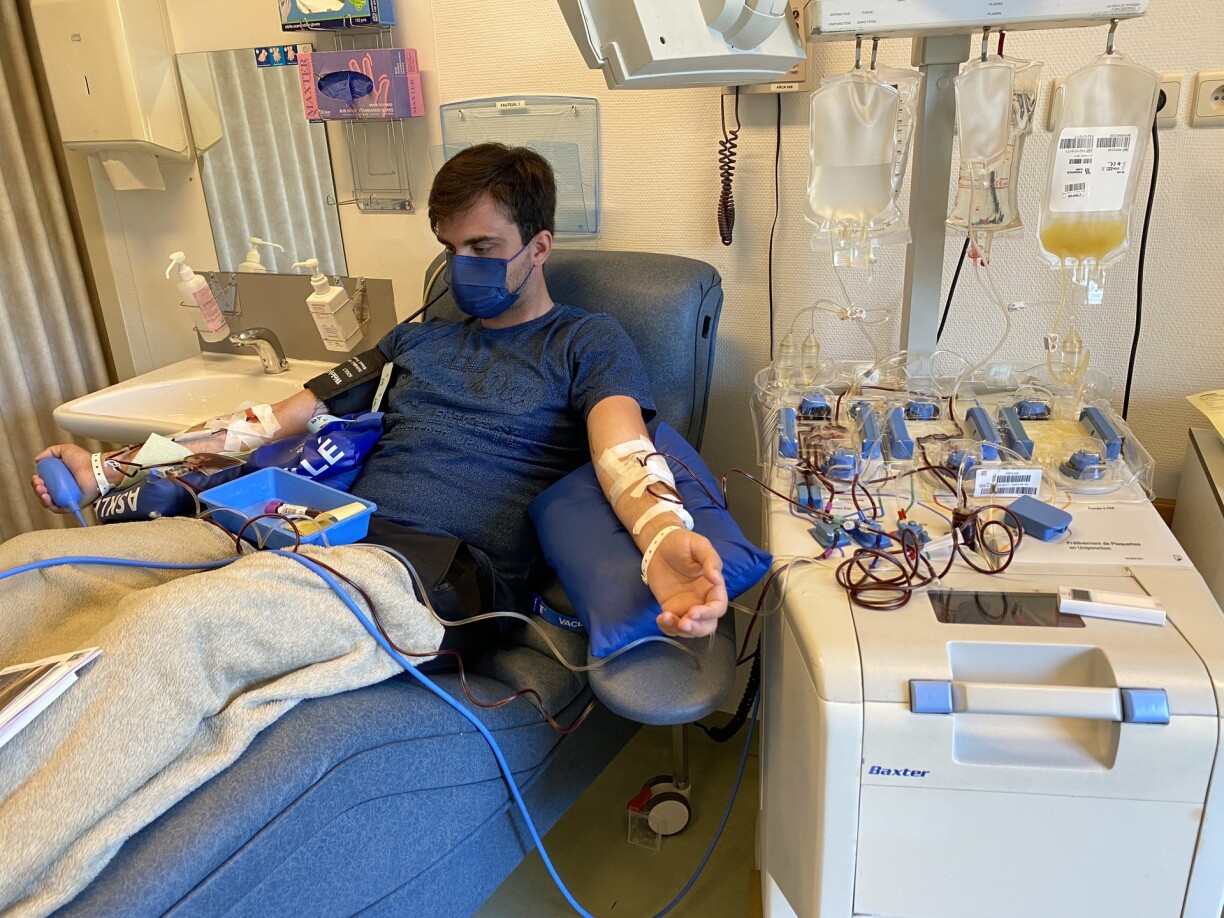
On July 18, 2022, Maurice underwent a stem cell donation at a clinic in Belgium. Prior to the donation, he had to undergo five days of self-injections to stimulate his stem cell production. Maurice experienced strong headaches and back pain. He explained that the donation itself was quite uneventful and proceeded smoothly.
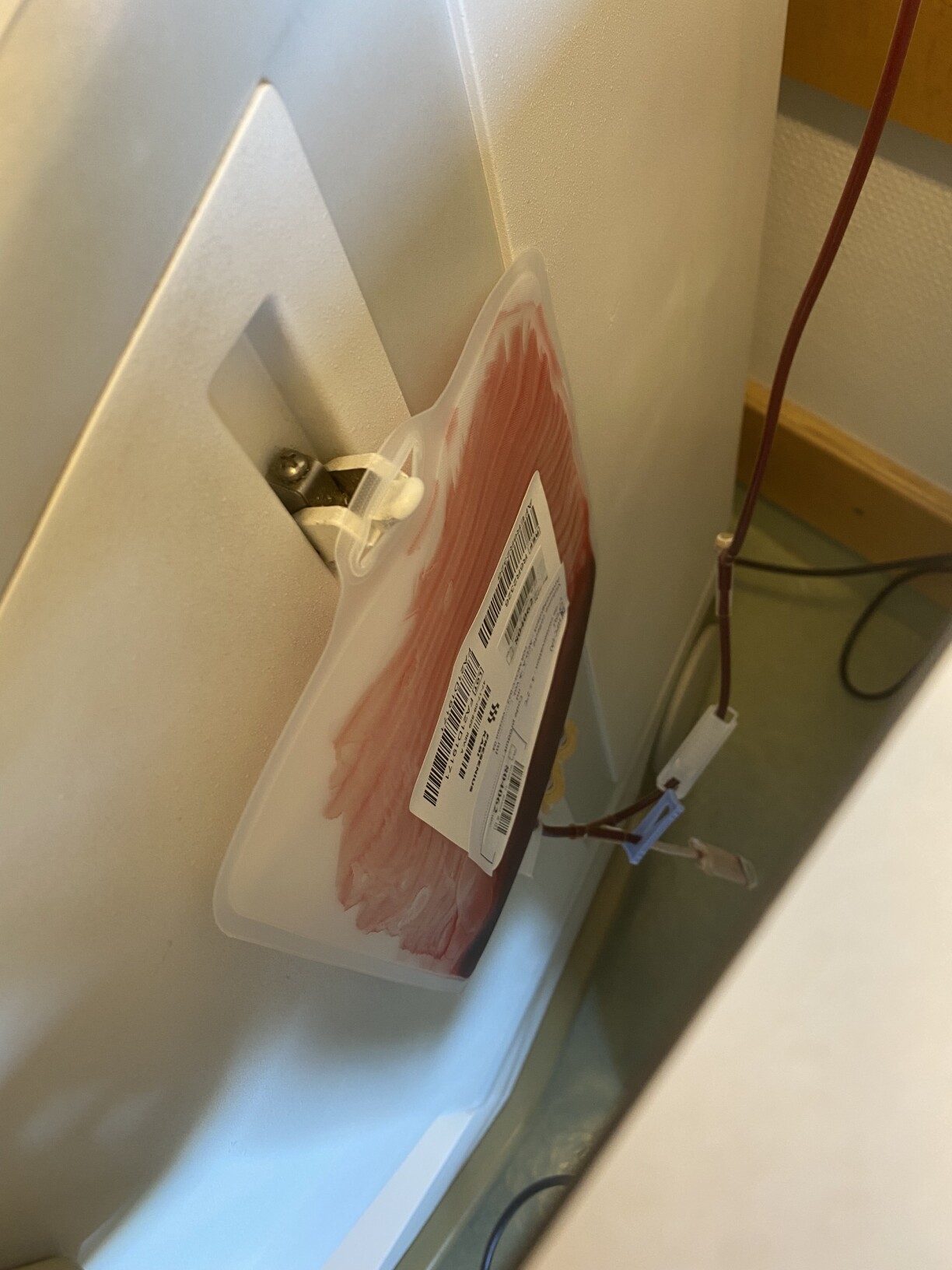
This procedure, called "Apheresis," involves extracting stem cells through the blood. More than 80% of donations are done this way, rather than through a "bone marrow puncture," contrary to popular belief.
Maurice explained: "You have a needle on one side, you have a needle on the other side, it's like a dialysis. Admittedly, it's not hugely pleasant, but it's by no means unbearable. I can only encourage people to do this because it's a simple way to save lives." Some minor discomfort in exchange for giving his mother Nadine a chance to fight her way back to life.
After the procedure, Nadine is slowly and surely becoming stronger. She says: "Sometimes I hesitate to say it because you always fear that something bad might happen again. For a long time, I couldn't even say the word 'good.' But now, I can finally say: 'I'm doing well.'"
Nadine has made it her mission to raise awareness and educate others so that as many people as possible consider becoming potential donors.
This is one of numerous stories shared during the Télévie fundraising campaign, that has been donating money to cancer research in Luxembourg. Every year, a telethon is broadcasted across all RTL Platforms, including RTL Today.
You must fulfil certain criteria:
You have to be between 18 and 40 years old (once you have been registered you can donate up to the age of 60)
You only had two pregnancies
You weigh more than 50kg
For more information, visit plooschterprojet.com and dondemoelle.lu.





