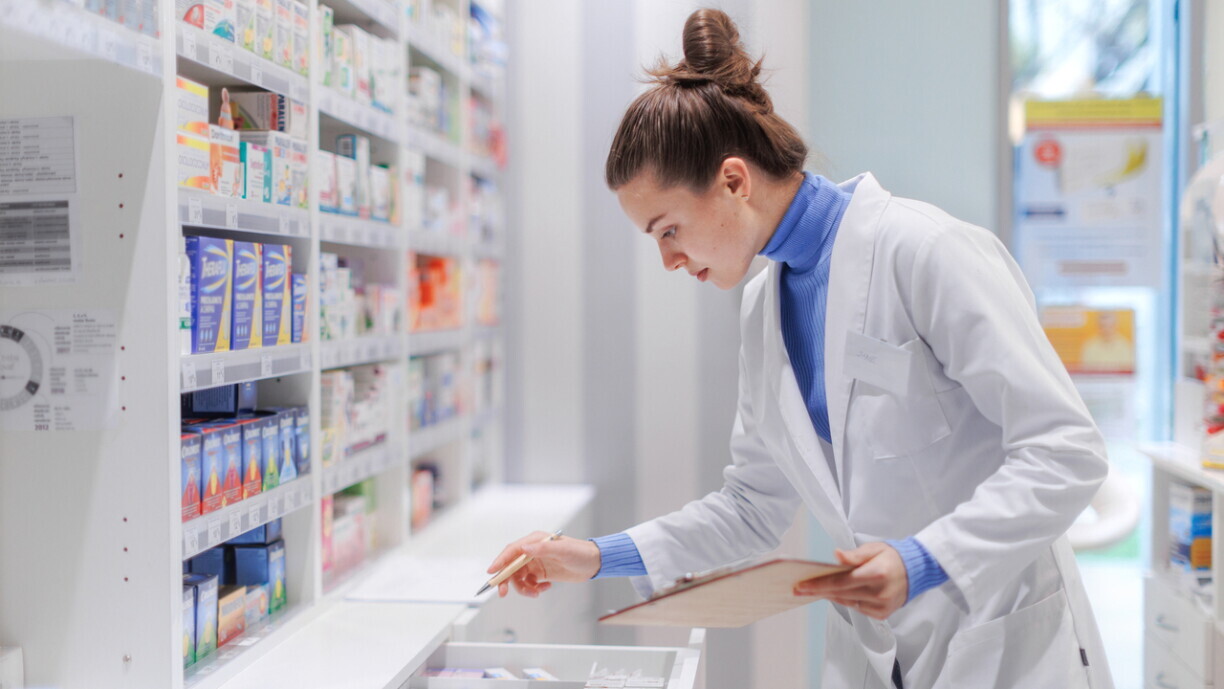
The agency will monitor the quality and safety of medicines and medical products. A first draft of the bill was published in 2019, but it has taken seven years for it to be passed by the Chamber of Deputies.
LSAP MP Mars Di Bartolomeo commented: "The Medicines Agency will make an important contribution to maintaining public confidence in times when scepticism towards medicines and vaccines is growing."
The new public institution will create 71 new jobs, mainly made up of civil servants. The main task will be to control medications and ensure that they are used correctly. Josée Lorsché of the Greens welcomed three exceptions that will be included in the law:
"The so-called off-label use, where a drug that is approved for one disease can be used for another disease. Secondly: the use of drugs for special needs. And thirdly, compassionate use: a drug can be used for very serious diseases even before it is approved."
The ADR's Alexandra Schoos said: "We can create this agency to check and evaluate medication, but that alone will not guarantee the medicines will be available in this country."
The availability of medicines remains a problem.
The thought that regular patients who are dependent on a medication and who are unable to receive it due to supply or stock shortages prompted the Pirates' Sven Clement to launch an entire interpellation in the Chamber.
"Pharmacists spend an average of 12 hours per week searching for alternatives to medicines that are not available. This means they lose one day per week, instead of practicing their profession. What is a problem for pharmacies is a real danger for patients."
There is no miracle solution to avoid shortages in the future. Clement said at the very least the quotas should be adjusted. Luxembourg has a population of around 690,000, but it needs medicines for everyone on health insurance, so with cross-border workers included, that number is 900,000.
However, the creation of the medicines agency, as well as a central office for the purchase of medicines, gives CSV MP Françoise Kemp hope:
"The CNAL (central office) should help to coordinate purchases in the health sector, improve logistics and create national stocks."
Medicines often are often produced in India and China and shipped to Europe, and as a small country, Luxembourg is better off sticking to the European network, said Dr Gérard Schockmel of the DP. After all, the recent EU Critical Medicines Act provides for measures.
"It is assumed that EU-based production will be prioritised in the public tender for critical medicines."
The Chamber agrees that the state must take more responsibility to ensure that the medicines that patients need are not only safe, but also easily available at all times.


