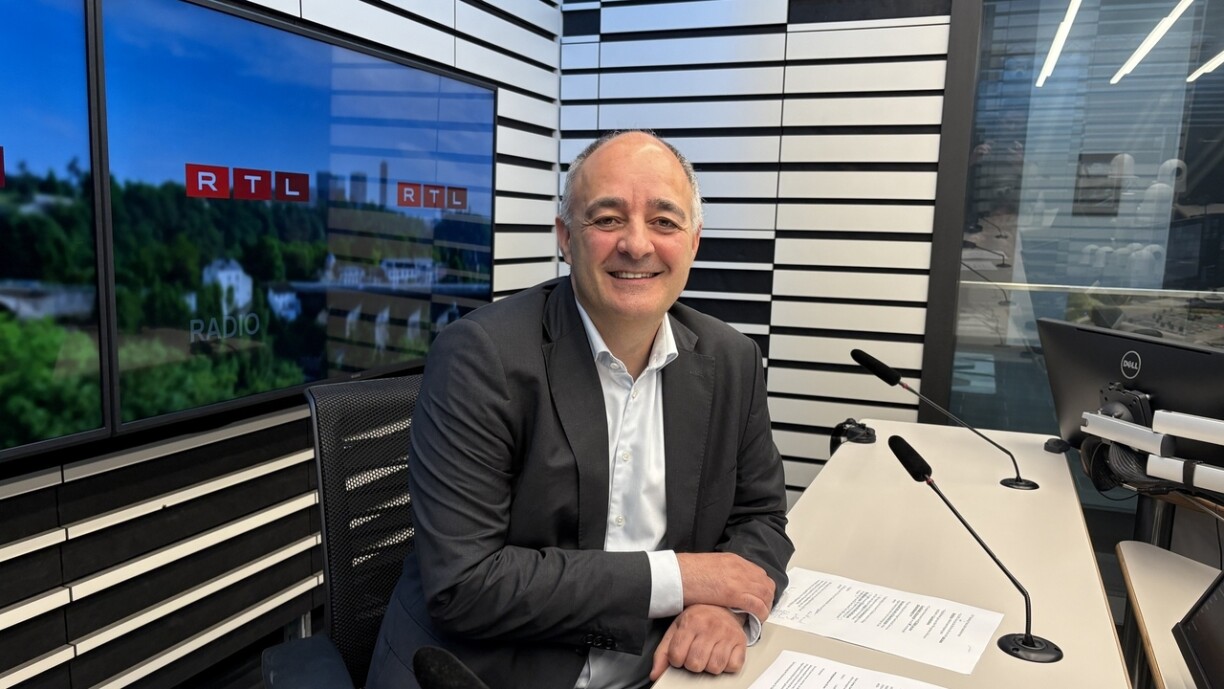
The Democratic Party representative explained that several options are on the table to secure pensions in the long term. These should be openly discussed during Wednesday’s meeting between the government and social partners – without drawing red lines from the outset.
So far, the government seems to be particularly interested in one option: to extend the contribution period by 3 months each year (from 2030) to bring the actual retirement age, which currently floats around 60, closer to the legal retirement age of 65.
However, the proposal has only intensified the ongoing dispute with the trade unions, and by itself is not sufficient to maintain the pension system in a sustainable manner.
The proposal also raises other questions, according to Goldschmit, who wonders whether the model allows for individuals who do not reach 480+ contribution months to continue contributing beyond the legal age of 65.
The other option would be to increase contributions, but Goldschmit seems critical as to whether people who contribute more would also receive a higher pension. If so, "then we have gained nothing," he adds. Equally, if people have to contribute more, the state receives less revenue through taxes.
Instead, the MP proposed the option of adjusting contributions over time: younger workers could pay less initially to boost their net income early in their careers. When they are older, they could contribute more, and in turn, receive more pension. An added benefit to this would be that it might keep people in the workforce for longer.
In general, Goldschmit believes supplementary pension schemes should be made more attractive, particularly to support the self-employed.
The MP also spoke on the new single tax class proposal made by Minister of Finance Gilles Roth. The MP welcomes the individualisation, explaining that only the ADR seems to oppose the project on the grounds that people currently in tax class 2 would lose out.
What Goldschmit, a chartered account by profession, explained was that the current system currently holds a significant injustice: with every adjustment of the tax scale to inflation, married couples always end up better off. For instance: a single person with a taxable annual income of €100,000 pays around €24,000 in tax today. A married couple would pay barely €10,000 to €14,000 less than the single person. And there is still the deduction for married couples.
He therefore sees no reason to maintain the advantage. Children, he added, do not play a role in the tax scale itself, but there seem to be a series of measures in place to relieve families with children. Goldscmit also sees no issue under the new single scale that would prevent parents from sharing the tax advantages for children between each other. That said, the MP stresses that for him and his party, raising child benefits is of high importance, as it is a "net income that people receive."





