The Luxembourg Red Cross, however, remains sceptical.
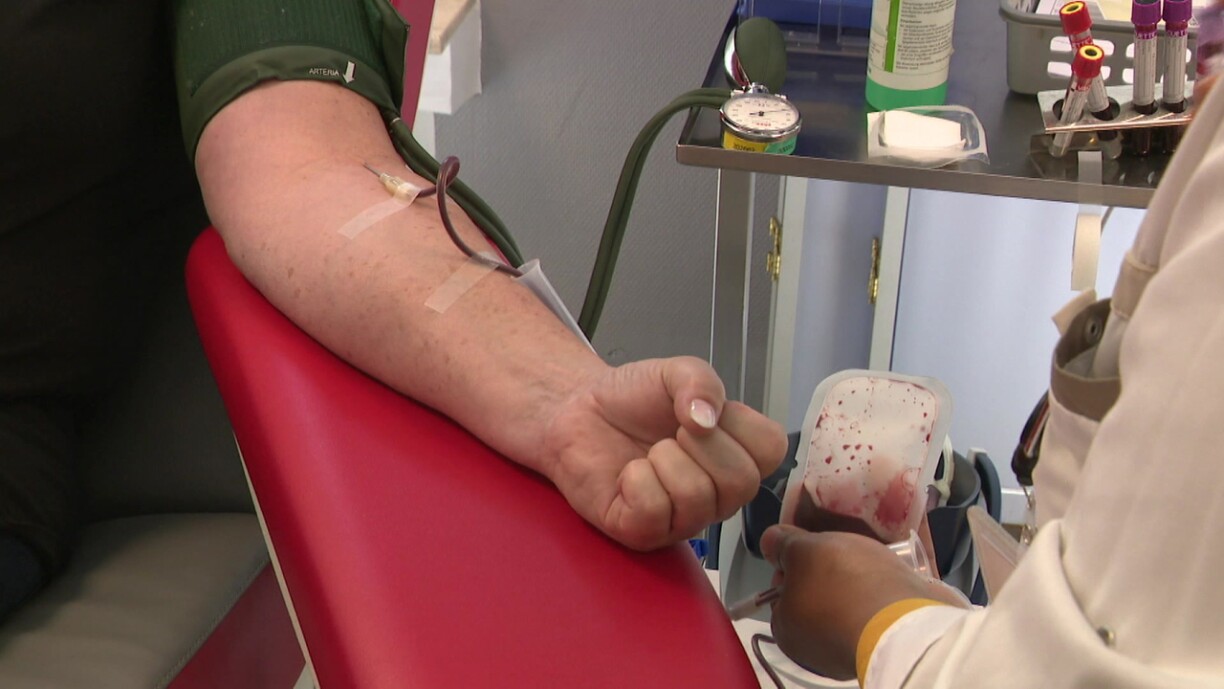
In Luxembourg, men who had sexual intercourse with another man over the past 12 months – referred to as "MSM" in the medical community – are barred from donating red blood cells and platelets. The ban also applies to women who during the preceding 12 months had intercourse with a man who had previously slept with another man.
"The data in Luxembourg, especially those relating to the transmission of HIV, still maintain that men who have sex with other men account for half of all infections," the director general of the Red Cross states.
According to Michel Simonis, this suggests that statistically this demographic is exposed to a higher risk. Simonis regrets that the current data is limited to sexual orientation and drug addiction and advocates for a "more detailed overview."
In the eyes of the Minister of Health, the sexual orientation of a donor should no longer be a factor.
"What's problematic is risky sexual behaviour, which, as we see it, mainly refers to having multiple partners," Lenert explained. She noted that Luxembourg's current policy is "unfair towards a community and not factually substantiated enough." Lenert also regrets the lack of detailed statistics.
Meanwhile, Simonis stressed that the Red Cross is committed to fighting discrimination, especially in regard to HIV.
"We must strike a balance between discrimination and safe blood donations," the director general of the Red Cross said. The main priority, according to Simonis, is to ensure that someone who is seriously ill receives "a blood donation that is as good and perfect as possible, that matches the profile at hand, and is uncontaminated."
In fact, all blood donors, regardless of gender, are already required to disclose whether they have changed sexual partners in the previous four months. If that is the case, they are not allowed to donate blood at that point in time. However, it should also be noted that despite the risk assessment and the fact that all blood donations are tested and cleansed, there always remains a minimal residual risk of infection – regardless of gender.
The risk of contamination is minimal nowadays and Simonis admits that it will remain minimal even if the planned policy change would lead to an increase. However, he thinks that if this "social choice" is made, then the Red Cross should not be liable if a contamination occurs as a result of factors that were outside of the organisation's control.
As of today, this is not the case, contrary to the Grand Duchy's neighbouring countries. According to Simonis, this is problematic "and not just because of HIV but also because of other infectious diseases that we may not yet be aware of."
The Red Cross is currently in talks with the Ministry of State to find a solution. The Minister of Health, meanwhile, plans to abolish the discriminatory blood donation policy before the end of the current legislative period.
On another note:
Homosexual men are already allowed to donate blood plasma. Contrary to red blood cells and platelets, plasma can be frozen and tested again at a later date. This is especially useful in the case of HIV, because the virus can sometimes only show up later in the bloodstream.
Related:
Alannah Meyrath: Blood donor restrictions are in desperate need of reform





