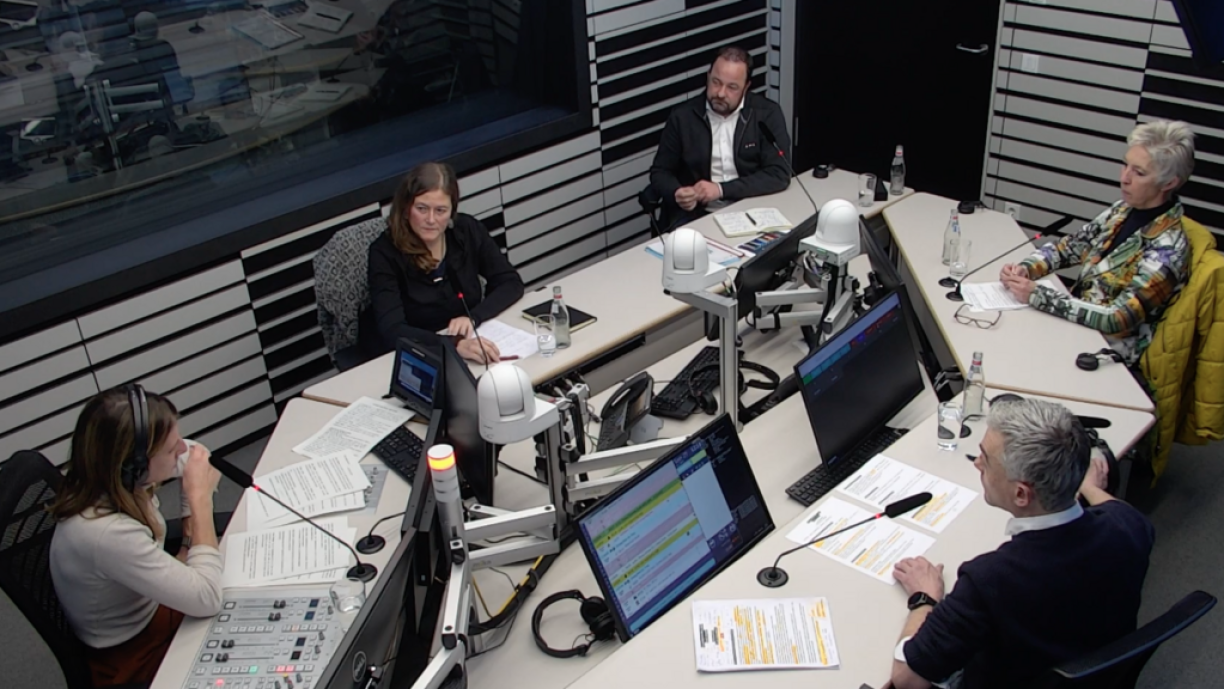
The consensus among the four panellists during Saturday afternoon's discussion was that mental health still lags behind its physical counterpart and requires urgent attention.
Dr Fränz d'Onghia, a psychologist at the Luxembourg Mental Hygiene League, emphasised a significant disparity in reimbursements for mental health treatments compared to physical ailments. He pointed out that while the National Health Fund (CNS) covers 88% of costs for jogging-related injuries, individuals grappling with depression face disproportionately higher expenses. Dr d'Onghia advocated for equal reimbursement, asserting that patients deserve parity irrespective of whether the health issue is psychological or physical.
Corinne Lahure, a social worker in the senior citizens' sector, raised concerns about the limited access to psychotherapy for those without income. She highlighted that individuals in this category are excluded from third-party social payments, as these only apply to "standard" doctor's bills, making essential psychotherapy financially unattainable for many.
Addressing structural challenges, Mady Juchem, Vice President of the Association of Families with a Relative Suffering from Psychosis (AFPL), expressed regret over the overcrowded mental health care facilities and excessively long waiting lists. Juchem attributed the situation, in part, to a reduction in the number of beds in psychiatric wards.
Fabrice Mousel, a social worker in the youth psychiatry department at Kirchberg hospital, stated that it would be "extremely problematic" if a child facing difficulties has to wait for 12 months to get an appointment with a paediatric psychiatrist.
Dr d'Onghia highlighted significant regional disparities in mental health care, particularly affecting residents in northern Luxembourg. Citing studies from 2020/21, the psychologist pointed out that 11% of the population did not receive necessary medical care, with a fifth of these cases related to mental health. Notably, individuals in the north, such as in Wiltz, face fewer treatment opportunities compared to those residing in the south or centre of Luxembourg.
Emphasising a broader concern, all guests noted the prevalent stigma surrounding depression and other psychoses. Extreme prejudices persist, partly due to the fact that people do not talk enough or openly enough about mental health problems. Lahure emphasised that mental health problems can affect anyone, regardless of age or social class, and there is a lack of sensitivity, even within the healthcare sector, with Lahure noting that there is a tendency to see the problem rather than the person themselves.
Addressing the issue of stigmatisation, Dr d'Onghia stressed the importance of information and awareness to combat misconceptions about mental health.
Another critical aspect discussed was the insufficient follow-up care for individuals who have been hospitalised for mental health reasons. While significant investments have been made in prevention, the structures and services for post-hospitalisation care remain inadequate. Dr d'Onghia pointed out the need for a well-organised transition from hospitalisation to the outside environment, as gaps in care often lead to critical situations and an increased risk of suicides.
Dr d'Onghia proposed that the transition from the hospital setting to the out-of-hospital environment should be seamless, with continuous support. Mady Juchem shared her personal experience with her son's schizophrenia, highlighting the challenges faced upon discharge. Juchem described being discharged from hospital "with a box of pills and the hope that these will be taken," even if this is "anything but a given" when returning to the stress of everyday life, the AFPL Vice-President criticised.
Lahure highlighted the challenges faced by elderly individuals, particularly during the pandemic. Lahure emphasised that both the young and old in Luxembourg society have suffered, with the pandemic shedding light on the issues faced by senior citizens.
The pandemic exacerbated the problems faced by the elderly, Lahure noted, as this generation is often not accustomed to seeking psychological help for issues such as war traumas. She explained that psychologists are integrated into long-term care insurance, allowing professionals to visit individuals at home. Unfortunately, this option is currently limited to those with long-term care insurance, Lahure regretted, emphasising the need for accessible mental health support for all.
All guests advocated for a central contact point providing essential information for affected individuals and their families. Currently lacking, such a resource would offer information on various forms, therapy options, and alternatives.
Fabrice Mousel expressed concern about the lack of specific services, particularly transitional psychiatry for young people. He emphasised that turning 18 does not suddenly make a young person an adult, and there is a gap in treatment structures at this age. Mousel pointed to Germany's more advanced approach, with programmes for individuals aged 16 to 25.
Mady Juchem suggested the implementation of a psychiatric queue in A&E departments, similar to those in France, to streamline access to immediate mental health care.
Dr d'Onghia highlighted the new National Mental Health Plan, emphasiasing its role in addressing mental health challenges over the next few years. Dr d'Onghia believes such plans can lead to improvements, reducing suicides and substance abuse-related deaths. He also called for collective responsibility, suggesting that individuals can contribute by taking mental health first aid courses to be more aware of their surroundings.





