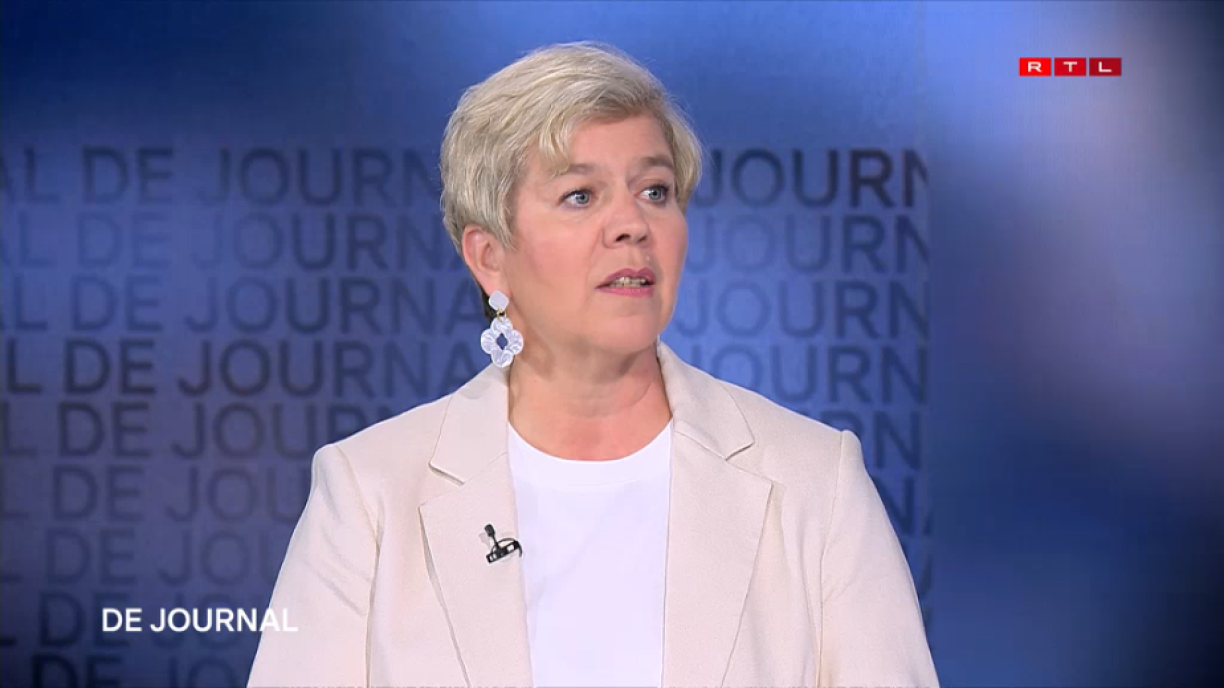
Although Luxembourg's hospitals and care homes generally coped well with the recent heatwave, shortcomings in their infrastructure have become clear, Health Minister Martine Deprez told RTL following initial debriefings with hospitals and the Health Directorate.
"The area where we were not adequately prepared was our buildings", Deprez said. "We are now drawing up an inventory."
Hospitals and the Health Directorate are working together to identify what improvements are needed.
"Particularly on the upper floors of hospitals, where roofs are not properly insulated or sunlight comes through the windows, sunshades need to be installed and air-conditioning units purchased", the minister explained.
In the short term, the ministry is looking for mobile cooling units that could be installed before the next heatwave, depending on availability. In parallel, each hospital is to undergo a more comprehensive review over the medium and long term.
"We will invest the necessary funds to ensure that both patients and staff can remain in healthy conditions", Deprez said.
The government intends to draw on Luxembourg's national climate resilience plan, which provides for public buildings to be better equipped to withstand extreme weather. According to Deprez, funding is available for the necessary investment.
Hospitals are not the only facilities under review. Care homes, refugee accommodation, and schools are also being examined.
Deprez said the issue had already been discussed by the Government Council, with particular attention being paid to older buildings that may require additional equipment.
Newer school buildings are generally better prepared, she added. Municipalities and the state are now assessing which rooms are particularly vulnerable to heat, according to the minister.
Protecting homeless people was another major challenge during the heatwave.
According to Deprez, local associations and support services were quickly mobilised in cooperation with the Family Ministry. "We contacted all our local associations and asked whether they could remain open for longer, provide water, and identify shaded areas", she said.
Deprez explained that extended opening hours at homeless shelters and support centres are again being considered for the next period of extreme heat.
The government is also calling on municipalities to take a more active role in supporting vulnerable people in their communities.
More residents are being encouraged to register for the Plan Canicule (Heatwave Plan), which allows people who live alone or are particularly vulnerable to be contacted directly during periods of extreme heat.
The opposition criticised the government for not activating a national crisis unit during the heatwave. Deprez defended the decision, arguing that the situation just over a week ago had never reached the level of a national crisis.
"Communication within the unit continued to function, and the risks were assessed", she said. Our hospitals were never overwhelmed. We always had at least 200 beds available."
Although some emergency departments experienced temporary pressure, the minister said healthcare provision remained assured throughout.
The World Health Organization warned after the heatwave that extreme temperatures could lead to additional deaths. Initial data from Luxembourg, however, appears reassuring, according to Deprez.
"The first indications suggest that we did not experience any significant excess mortality", she said.
However, Deprez explained that it remains unclear whether the heatwave led to an increase in hospital admissions. The minister said definitive conclusions could only be drawn in the coming weeks.





